Tragic Bondi Shooting Claims Youngest Victim at Hanukkah Celebration

Tragic Burial of Bondi Shooting's Youngest Victim
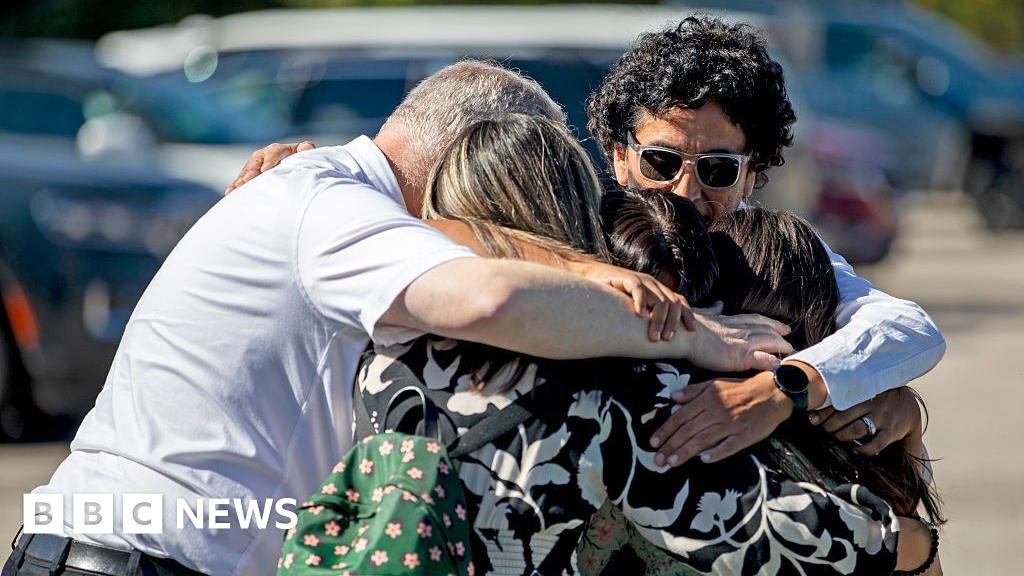
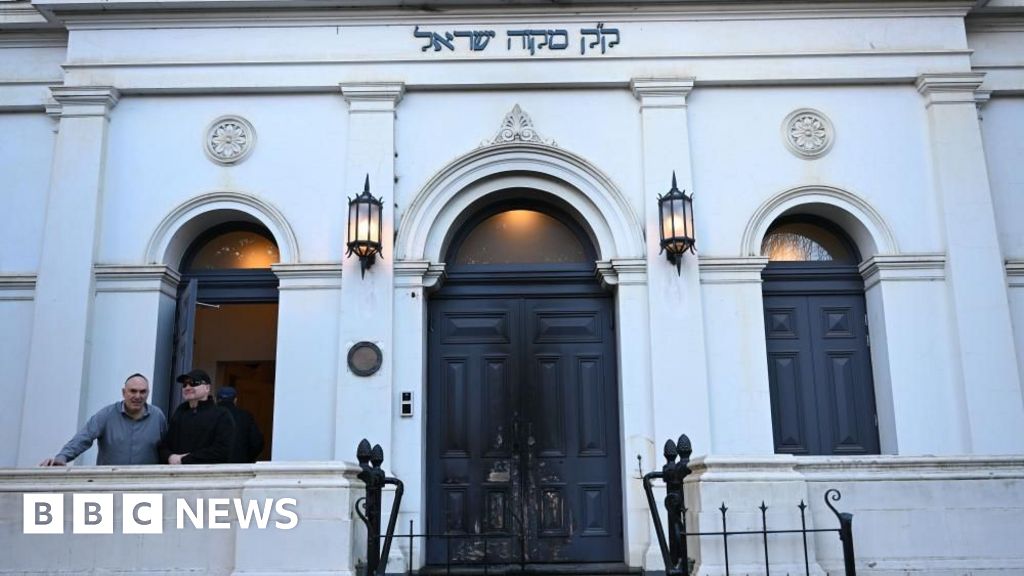
Mourners gathered in Sydney to lay 10-year-old Matilda to rest, the youngest victim of the horrific 2025 Bondi Beach shooting. On December 14, during a joyful Hanukkah celebration at Archer Park, two gunmen opened fire on around 1,000 attendees, killing 16 including children and injuring 40 others. Matilda was enjoying festivities with her family when chaos erupted from a footbridge, with rifles and shotguns targeting the crowd in an antisemitic terrorist attack linked to Islamic State.[1][2]
Heroic Response Amid Devastation
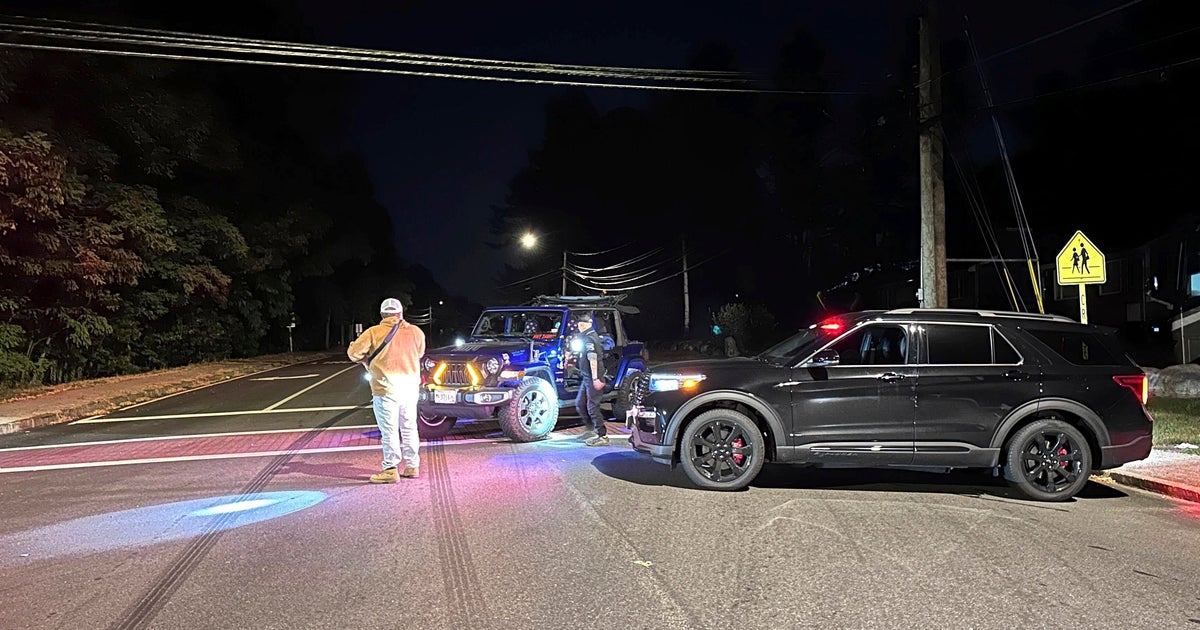
Lifeguards from Bondi Surf Lifesaving Club acted swiftly, using surfboards as stretchers under gunfire and sheltering 250 people, even aiding a woman in labor. Police neutralized one gunman, father of the surviving shooter, and discovered homemade bombs in their car. Witnesses described pandemonium on a perfect summer evening turned nightmare, fleeing bullets amid the iconic beach setting.[1][2][3]
Leader's Vow Against Hate
Australian Prime Minister Anthony Albanese condemned the deliberate assault on the Jewish community during Hanukkah's first night, vowing a fierce crackdown on hate crimes. As Australia grapples with rising antisemitism, this deadliest shooting in decades underscores urgent needs for vigilance and stricter measures to protect vulnerable gatherings.[1][2]
About the People Mentioned
Anthony Albanese
Anthony Albanese, born on March 2, 1963, in Sydney, Australia, is an Australian politician serving as the 31st Prime Minister of Australia since May 23, 2022. He is a member of the Australian Labor Party and has represented the Sydney seat of Grayndler in Parliament since 1996. Albanese grew up in public housing raised by a single mother on a disability pension, a background that shaped his commitment to social equity and government support for disadvantaged Australians[2][5][8]. Albanese held several significant roles before becoming Prime Minister, including Minister for Infrastructure, Transport, Regional Development, and Local Government (2007–2010), during which he oversaw major nation-building projects such as roads, railways, and the National Broadband Network rollout, contributing to economic growth and improved connectivity across Australia[2][3]. He briefly served as Deputy Prime Minister in 2013. After the Labor Party’s electoral defeat in 2013, he continued in opposition and was elected leader of the Labor Party and Leader of the Opposition in May 2019, running unopposed[1][3]. As Prime Minister, Albanese’s government has pursued progressive policies including environmental protections, aiming for a 43% reduction in emissions by 2030, increased minimum wage, expanded support for workers, subsidized childcare, aged care reforms, and paid leave for domestic violence victims. His administration also donated $100 million in aid to Ukraine during the Russia-Ukraine conflict and restored diplomatic relations with China after a long freeze, marked by a key meeting with Chinese President Xi Jinping[1][4]. Albanese advocates for Indigenous recognition through a constitutional referendum to establish a Voice to Parliament, a move toward reconciliation with Aboriginal and Torres Strait Islander peoples[4]. Albanese is noted for his progressive stance on social issues, including support for abortion rights, drug decriminalization, same-sex marriage, transgender rights, and refugee acceptance. He has also emphasized strengthening Australia’s economic and military ties with Europe and the United States[1][4].
About the Organizations Mentioned
Bondi Surf Lifesaving Club
Bondi Surf Bathers’ Life Saving Club is Australia’s oldest surf lifesaving club, founded on 21 February 1907 at the Royal Hotel, Bondi, with the stated aim of “the rescue of the distressed.”[2][3] The volunteer organisation patrols Bondi Beach during the bathing season and combines public-safety work, community programs and competitive surf lifesaving sport.[2][3] Historically, Bondi pioneered lifesaving techniques and equipment that became standard across Australia and overseas: the surf reel and line were in use at Bondi by late 1906 and helped establish systematic rescue methods, while the club introduced duty rosters, test swims and the Bronze Medallion qualification still used today.[1][4] Early activity included public demonstrations in 1907 and dozens of rescues in its first seasons; by 1910 Bondi had examined the first Bronze Medallion squad.[4][6] The club’s defining moment came on Black Sunday, 6 February 1938, when freak surf swept hundreds out to sea and Bondi lifesavers conducted one of Australia’s largest mass rescues—roughly 200–300 people were brought in, about 60 were retrieved unconscious and five died—cementing the club’s national reputation for bravery and community service.[1][2][3][4] Key achievements span lifesaving innovation, large-scale lifesaving operations and sporting success: Bondi has produced numerous champion Rescue & Resuscitation teams and a long list of competitive titles unique to the club’s record.[2][4] Over the broader surf lifesaving movement since 1907, volunteers have helped save hundreds of thousands of lives and built Surf Life Saving Australia as a national body originating from these early Bondi efforts.[5] Today Bondi remains an active, high-profile club that blends volunteer patrols, youth “Nippers” training, public education
Islamic State
**The Islamic State (IS), also known as ISIS or Da'esh, is a transnational Salafi-jihadist terrorist network that evolved from al-Qaeda in Iraq (AQI) after the 2003 U.S. invasion, aiming to establish a global caliphate through violence, insurgency, and digital propaganda.**[2][3][5] Originating under Abu Musab al-Zarqawi in 2004, IS broke from al-Qaeda in 2013, rebranded as ISIS, and peaked in 2014–2015 by seizing vast territories in Iraq and Syria—roughly the size of Britain—governing 12 million people with a $1 billion+ budget, 30,000+ fighters, and brutal Shari'a enforcement, including the Yazidi genocide.[2][5] It declared a worldwide caliphate under Abu Bakr al-Baghdadi, drawing 50,000+ recruits from 100+ nations via sophisticated governance blending guerrilla tactics and state-like operations.[3][5] **Key "achievements" from IS's perspective include high-profile attacks like the 2015 Paris assaults and 2024 IS-Khorasan (ISK) strikes in Iran and Russia, which killed thousands and amplified its deadliest-in-the-world status, causing 1,805 deaths in 2024 alone across 22 countries.**[1][4] Affiliates like ISK (Afghanistan/Pakistan-focused, ~2,000 fighters) and West Africa Province expanded its reach, using ambushes, IEDs, kidnappings, and lone-wolf inspirations.[3][4][6] By 2019, U.S.-led coalitions dismantled its caliphate, killing ~60,000 fighters and reducing core forces to 1,500–3,000 in Iraq/Syria hideouts, with 8,800–13,100 globally.[1][2][3