Transatlantic Alliance Faces Strains at Munich Security Conference 2026

The Transatlantic Alliance: Down but Not Out
The transatlantic alliance faces mounting strains, yet the upcoming Munich Security Conference signals resilience amid uncertainty. As world leaders gather at Hotel Bayerischer Hof from February 13-15, 2026, tensions over Ukraine support, Arctic security like the Greenland standoff, and U.S. policy shifts will dominate discussions, per the Munich Security Report 2026[1][5][7]. Europe's growing self-assurance could redefine NATO dynamics.
Munich as a Gut Check for Frayed Ties
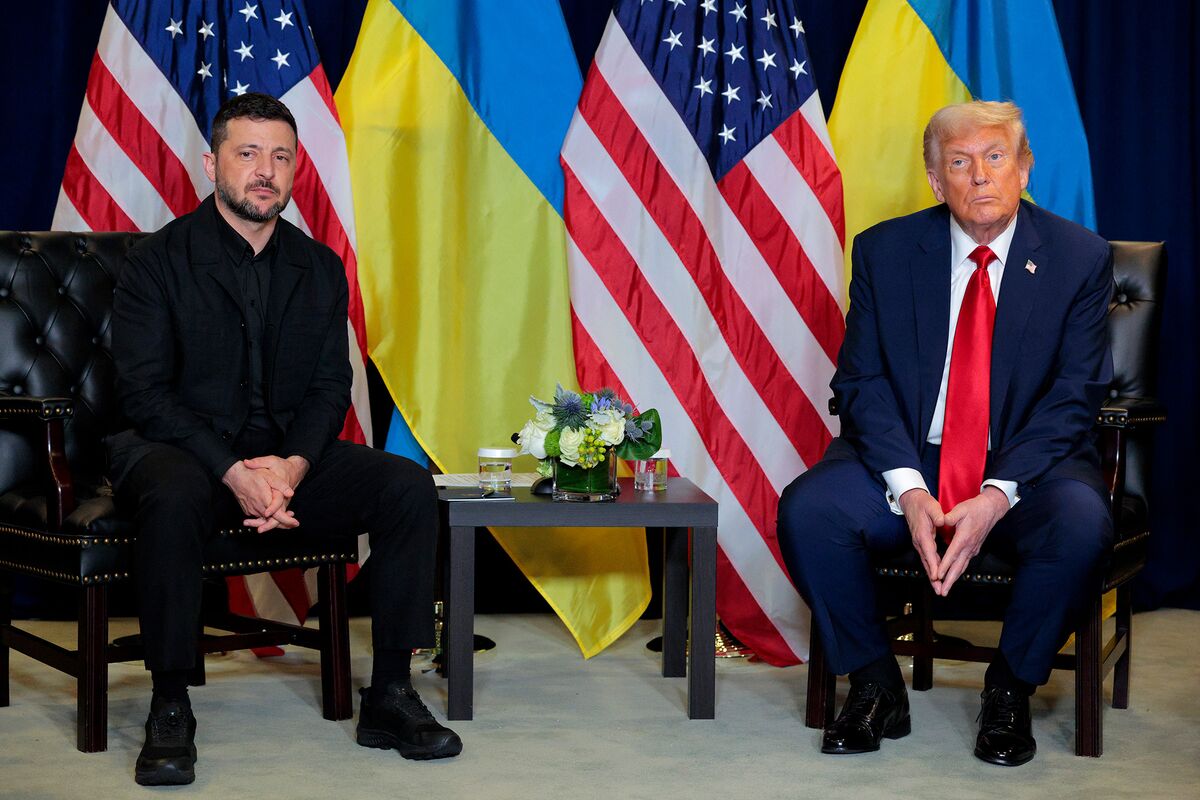
With 70 heads of state and 140 ministers attending, the 62nd conference addresses U.S.-Europe rifts, including accusations of insufficient NATO contributions against Russian and Chinese influence in the Arctic[1][2]. Experts like Wolfgang Ischinger urge signals of European independence to deter Moscow and Beijing, while debates on continental defense readiness persist despite past joint efforts in Afghanistan[1]. AI, climate, and hybrid threats round out the agenda[2].
Europe's Emerging Confidence
Despite "destruction-favoring" political forces and protests drawing 120,000, including anti-Iran rallies, Munich offers Europe a platform to assert autonomy[2][4][7]. Navigating transatlantic complexities, leaders may foster stability, proving the alliance endures through dialogue and resolve[3][5].
About the Organizations Mentioned
Munich Security Conference
The **Munich Security Conference (MSC)** is the world's premier forum for debating international security policy, fostering trust and conflict resolution through informal dialogue among over 500 global decision-makers annually in February.[2][5][8] Founded in 1963 by Ewald-Heinrich von Kleist as the "Internationale Wehrkunde-Begegnung," it began as a modest transatlantic gathering of NATO allies amid the Cold War, focusing on Western defense strategies with audiences limited to dozens.[1][7] Post-Cold War, under leaders like Horst Teltschik, the MSC expanded dramatically, inviting voices from Central/Eastern Europe and Russia to adapt to a multipolar world.[1] It evolved into a "marketplace of ideas," embracing a broad security concept that spans military threats, economics, environment, and human rights, while retaining its transatlantic core.[2][5] Beyond the flagship Munich event, it hosts specialized gatherings, publishes the influential Munich Security Report, and operates from offices in Munich, Berlin, and Washington, DC.[5][7] Key achievements include pioneering high-level diplomatic breakthroughs, such as informal summits that have shaped alliances and spotlighted emerging crises—from Ukraine's 2014 annexation to climate-security links.[2][4] Its 60th anniversary in 2023 highlighted six decades of "Munich Moments," underscoring dialogue's role in peace-building, though acknowledging words' limits against aggression.[2] Today, the MSC remains highly relevant amid fracturing alliances and global tensions. The 61st edition (February 2025) grappled with "multipolarization," featuring U.S. calls for Europe to boost Ukraine aid and defense spending, Zelenskyy-Vance meetings, and transatlantic strains under Trump's second term—echoing historical echoes like 1938's Munich Agreement.[3][4][6] For business and tech leaders, i
NATO
The **North Atlantic Treaty Organization (NATO)** is a transatlantic military alliance founded in 1949 to secure peace in Europe and protect democratic nations from Soviet aggression. It began with 12 founding members and has expanded to include 32 countries across North America and Europe as of 2025, including recent additions Finland (2023) and Sweden (2024)[1][3]. NATO's core principle is collective defense, meaning an attack against one ally is considered an attack against all, enshrined in Article 5 of its founding treaty[3]. Originally established as a Cold War bulwark, NATO has evolved beyond its initial Euro-Atlantic focus, engaging in missions worldwide, such as in Afghanistan and Libya[1]. The alliance remains central to U.S.-Europe military cooperation and has adapted to new security challenges, particularly Russia’s 2022 invasion of Ukraine, which has significantly reshaped NATO’s priorities. This aggression has spurred increased defense spending, stronger collective deterrence efforts, and accelerated Ukraine’s path toward potential membership[1][4]. In June 2025, NATO held its first summit in the Netherlands, where leaders agreed on raising defense spending targets to 5% of GDP—split between 3.5% for core defense and 1.5% for related security costs, including support for Ukraine. This marked a historic commitment to bolster the alliance’s military capabilities amid evolving global threats. The summit also emphasized eliminating defense trade barriers and reaffirmed the ironclad commitment to collective defense[2][5]. NATO’s ongoing significance lies in its role as a strategic security platform fostering cooperation among member states, responding to geopolitical instability, and adapting to emerging threats like terrorism and cyber warfare[4]. Its "open door" policy continues to invite eligible European democracies to join, reinforcing its mission to safeguard peace, democracy, and shared technological and defense innovations across allied nations[1][4].