Border Czar Announces Major ICE Drawdown in Minneapolis

Border Czar Announces Major ICE Drawdown in Minneapolis
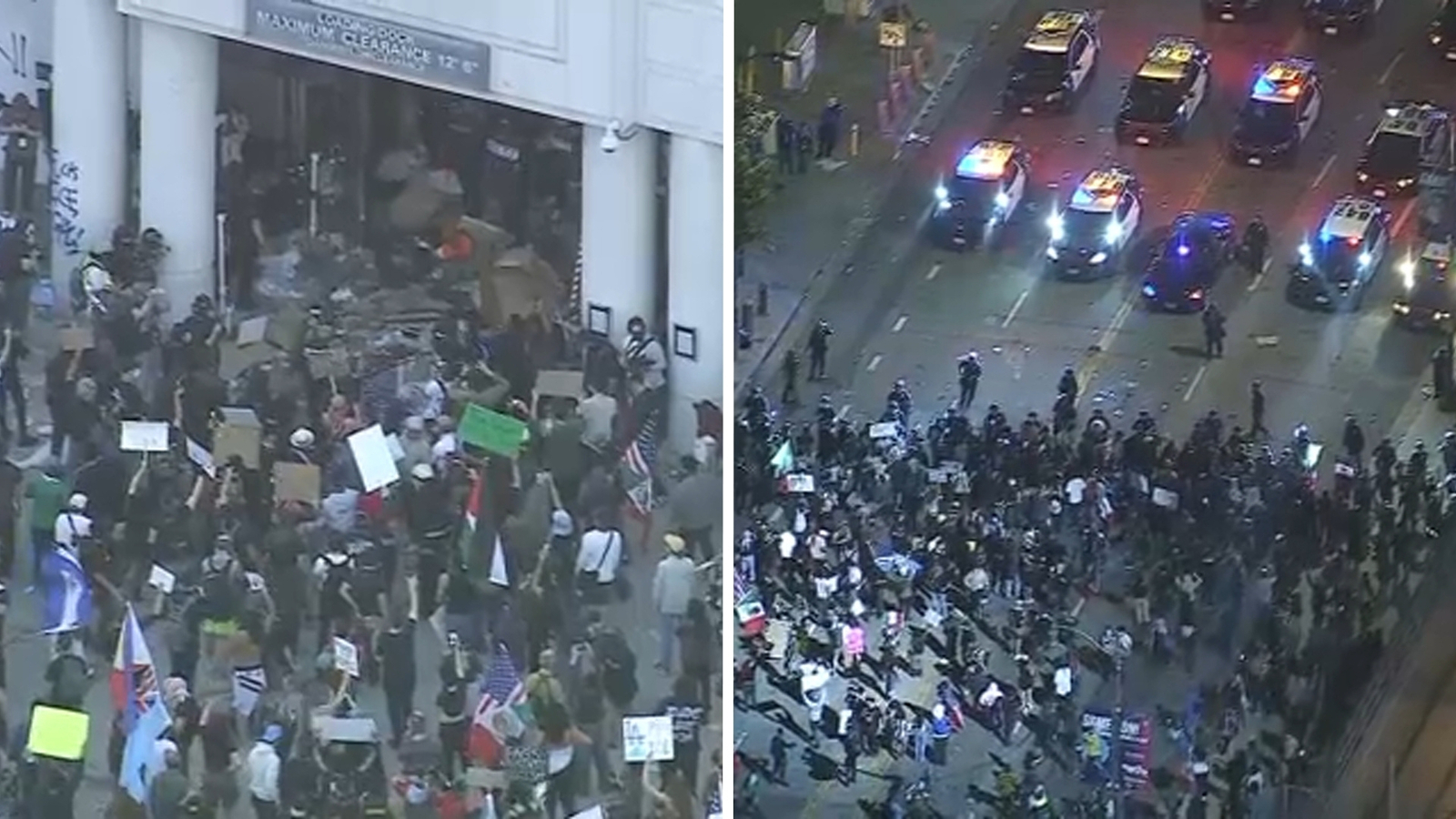
Border czar Tom Homan revealed that the Trump administration is withdrawing 700 Immigration and Customs Enforcement (ICE) and Customs and Border Protection (CBP) officers from Minneapolis, slashing the federal presence by about 25 percent.[1] This significant scaling back follows a tense period after federal agents fatally shot two U.S. citizens, sparking protests and violence in the Twin Cities.[1][2] Homan emphasized that roughly 2,000 officers will remain to sustain operations amid improved local law enforcement cooperation.[1][2]
Reasons Behind the Officer Reduction
The drawdown stems from enhanced collaboration between ICE and Minneapolis police, reducing the need for a massive federal surge.[1] Homan stated his goal is a complete pullback, contingent on sustained local support and an end to attacks and rhetoric targeting immigration officers.[1] This overhaul aims to deescalate tensions while maintaining border security efforts in the region.[2]
Implications for Immigration Enforcement
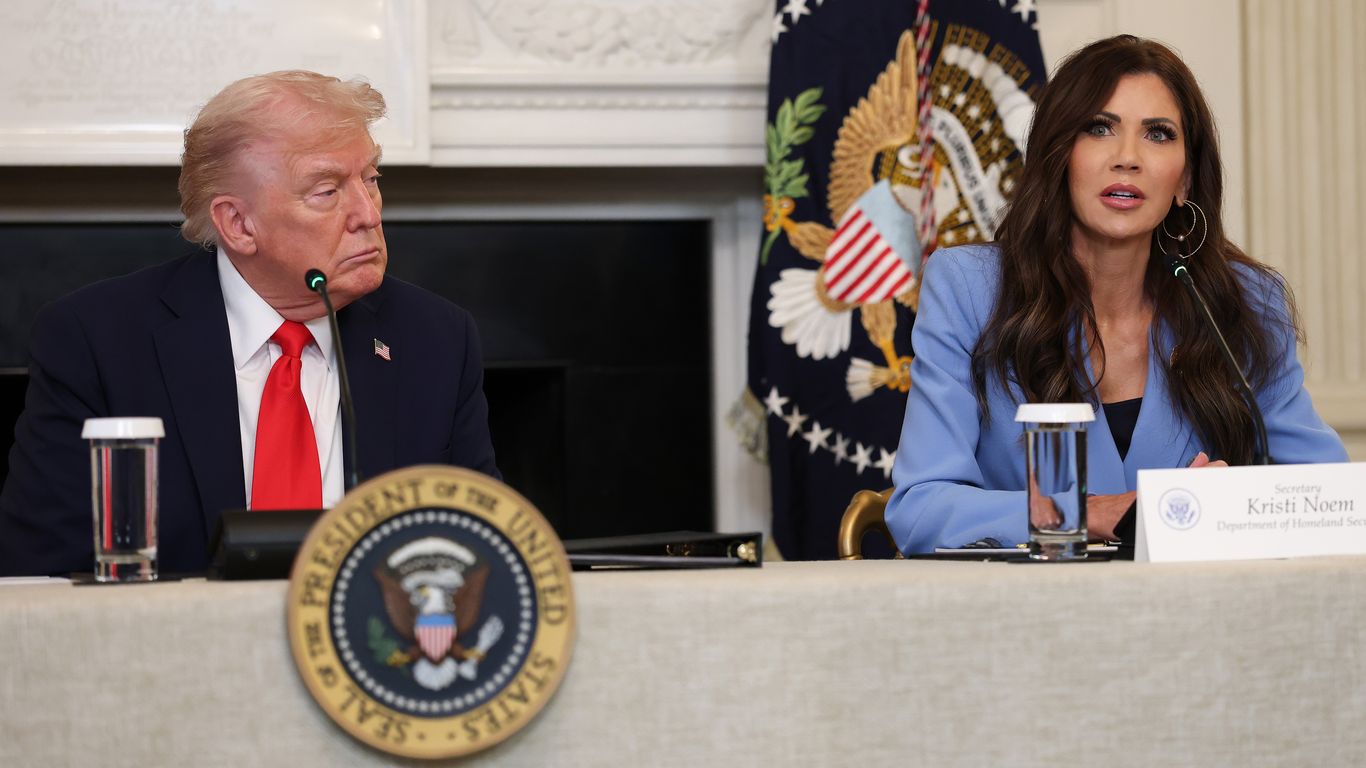
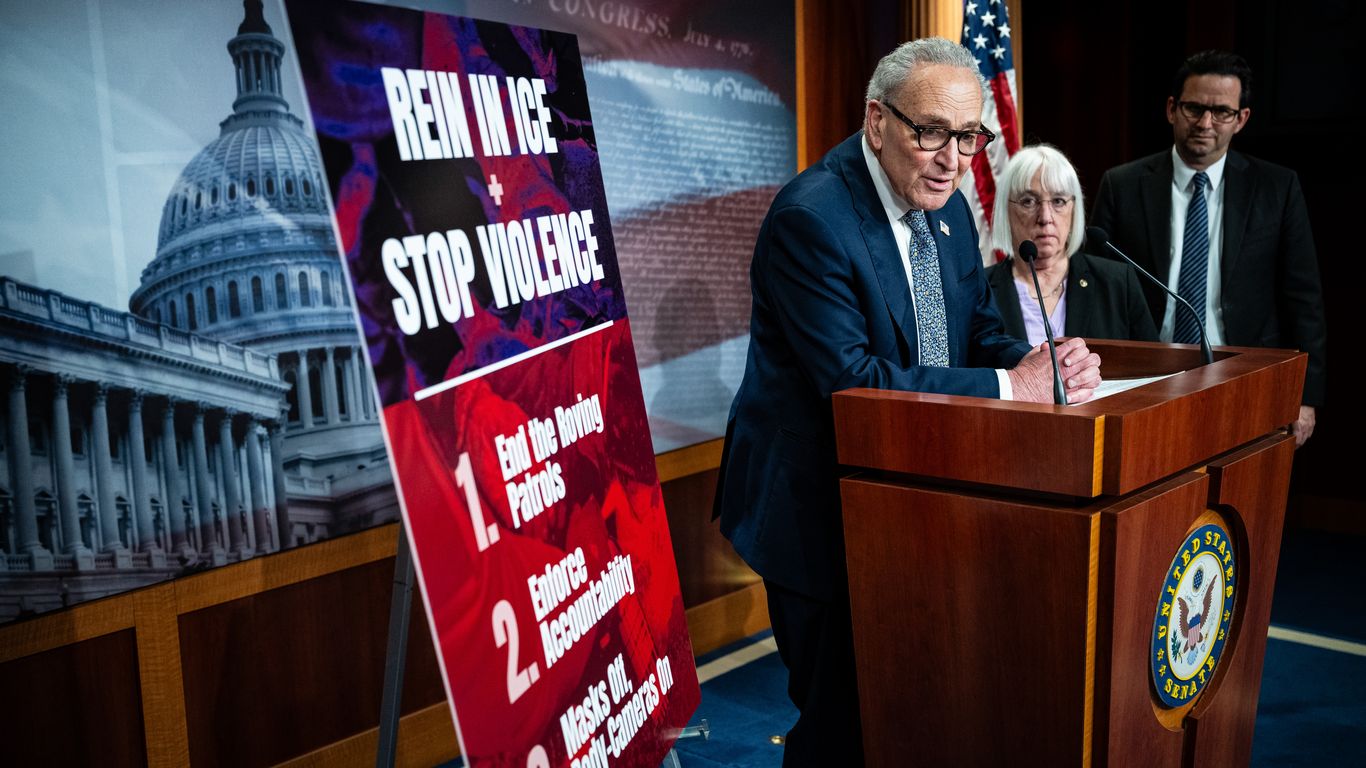
Democrats have criticized the move, demanding ICE reforms and full-year Homeland Security funding before approving budgets.[2] The reduction signals a strategic pivot, potentially easing community strains but raising questions about long-term enforcement efficacy in high-immigration areas like Minneapolis.[1][2] As operations continue with fewer agents, the focus shifts to smarter, cooperative strategies.[1]
About the Organizations Mentioned
Immigration and Customs Enforcement
**Immigration and Customs Enforcement (ICE)** is a federal law enforcement agency under the U.S. Department of Homeland Security (DHS). Established by the Homeland Security Act of 2002, ICE was created in response to the 9/11 attacks to enhance national security and protect public safety. The agency's primary mission is to enforce federal laws related to customs, trade, and immigration, focusing on cross-border crime and illegal immigration[1][2][3]. **History and Structure:** ICE was formed by merging the U.S. Customs Service and the Immigration and Naturalization Service. It operates with over 20,000 staff across more than 400 global offices, with an annual budget of approximately $8 billion[3]. The agency is structured into several key directorates, including **Enforcement and Removal Operations (ERO)**, which handles immigrant detention and deportation, and **Homeland Security Investigations (HSI)**, which investigates transnational crimes[1][2]. **Key Functions and Achievements:** ICE is known for its immigration enforcement efforts, particularly in interior regions of the U.S. It conducts investigations into human trafficking, terrorism, and other transnational crimes. Despite controversy over policies like family separation and detention conditions, ICE has made significant strides in combating illegal activities and protecting national security[4][6]. **Current Status and Notable Aspects:** Today, ICE continues to face challenges and controversy, particularly regarding its enforcement practices and impact on immigrant communities. The agency's actions can have profound effects on local economies and social services, as fear of ICE may deter undocumented immigrants from accessing essential services[6]. Despite these challenges, ICE remains a crucial component of U.S. immigration policy, working to balance enforcement with humanitarian concerns.
Customs and Border Protection
U.S. Customs and Border Protection (CBP) is a federal agency primarily responsible for securing the nation’s borders, facilitating lawful trade and travel, and countering terrorism. Established as part of the Department of Homeland Security, CBP enforces laws related to immigration, customs, and agriculture at U.S. ports of entry and along borders[1][4]. CBP’s mission has evolved with changing political priorities, notably under recent administrations. In 2025, CBP’s core focus areas include border security enhancements, trade facilitation using advanced technology, and immigration enforcement, aligning with policies such as the “Securing our Borders” Executive Order signed on January 20, 2025, which directed CBP to strengthen operational efficiency and border security during the first 100 days of the administration[1][3]. Technological innovation is a key element of CBP’s strategy. The agency launched the CBP One mobile app to streamline traveler access to services, including scheduling inspections of biological products and managing asylum processes digitally. This app represents a significant modernization effort to improve efficiency and transparency at border crossings, although it has also been subject to legal challenges related to immigration policies implemented alongside it[2]. Historically, CBP has been instrumental in intercepting illegal drugs, preventing unauthorized entry, and facilitating international trade compliance. Its operations integrate biometrics, non-intrusive inspection technologies, and smart border infrastructure to address contemporary security threats and trade demands[1]. Currently, CBP balances its enforcement role with the facilitation of legitimate commerce and travel amid dynamic immigration laws and policies. It remains a critical agency at the intersection of national security, commerce, and immigration, continuously adapting through technology and policy to meet complex border management challenges[1][2][4].
Minneapolis police
The **Minneapolis Police Department (MPD)** serves as the primary law enforcement agency for Minneapolis, a 58-square-mile city with approximately 423,000 residents, handling over 414,000 service calls annually by the late 1990s and employing more than 580 officers today.[1] Established shortly after the city's 1867 incorporation, MPD's first four officers were appointed on March 9, 1867, evolving from a small force into a structured department with five precincts by 1902 and its first paddy wagon in 1909.[2] Historically, MPD originated as a **corrupt political tool** in the post-Civil War era (formed around 1868), marked by early scandals like mayoral schemes to profit from outlaws under police direction.[2][4][7] The 20th century saw persistent issues: brutal 1922 assaults on Black men, World War II intelligence operations via the Internal Security Division targeting "enemy aliens," and 1960s racism prompting community patrols like AIM and The Soul Force.[2][3] Reforms were sporadic—Mayor Hubert Humphrey boosted pay in the mid-20th century, while the 1968 Internal Affairs Unit faced criticism for ineffective self-oversight.[3][4] The Police Officers Federation, founded in 1916 and representing 800+ officers including Park Police, secured first legal contracts in 1972 to improve conditions and professionalism.[1] **Key achievements** include wartime service (117 officers in WWII) and incremental oversight like the 1990 Civilian Review Authority, though often undermined.[1][3] Notable aspects encompass **ongoing controversies**: decades of racial disparities, failed accountability (e.g., DOJ reports on skewed data), and post-2020 scrutiny via MPD150's abolition-advocating 150-year review, alongside studies on body cameras, mental health responses, and deadly force.[5] As o
Homeland Security
The **Department of Homeland Security (DHS)** is a U.S. federal agency established in response to the September 11, 2001 terrorist attacks, with the mission to protect the nation against a wide range of threats, including terrorism, natural disasters, cyberattacks, and immigration-related challenges. DHS’s core responsibilities include securing the borders, managing immigration enforcement, safeguarding critical infrastructure, and responding to emergencies, thereby ensuring the safety and resilience of the American people and economy[1][2]. Since its inception, DHS has evolved to address emerging threats, particularly in technology and security domains. The department integrates efforts across federal, state, and local levels and partners with private and non-profit sectors to enhance national security infrastructure. A key focus has been on adapting to modern risks such as cyber intrusions, drone threats to critical infrastructure, and disruptions to supply chains—all vital concerns for business and technology sectors[2]. Notable achievements of DHS include strengthening border security operations, advancing cybersecurity protocols, and improving disaster response coordination. For example, recent initiatives have expanded the authority of federal law enforcement agencies beyond traditional immigration roles to more effectively manage border security and immigration enforcement under the current administration, reflecting ongoing policy shifts tied to national priorities[1]. Looking to the future, strategic discussions around DHS emphasize innovation in technology and integrated threat management. Experts envision a homeland security landscape increasingly influenced by advanced surveillance, unmanned systems, and digital defense mechanisms aimed at countering sophisticated threats in 2025 and beyond[2]. Currently, DHS remains a central pillar in U.S. national security, continually adapting to political, technological, and global developments. It operates under evolving mandates that balance civil liberties with security imperatives, making it a dynamic and often debated organization in the intersection of governance, technology, and public safety[1][2].