Massachusetts Travel Ban Lifted as Blizzard Recovery Continues
#travel_ban #blizzard_recovery #massachusetts #public_safety

Travel Ban Lifted Amid Ongoing Blizzard Recovery
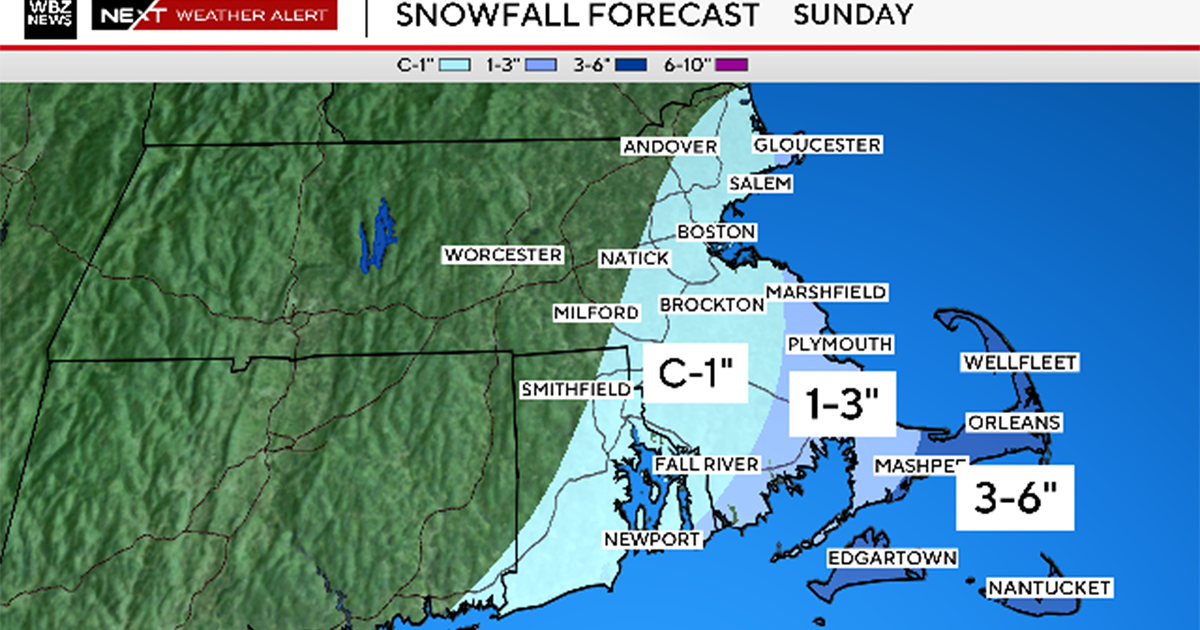
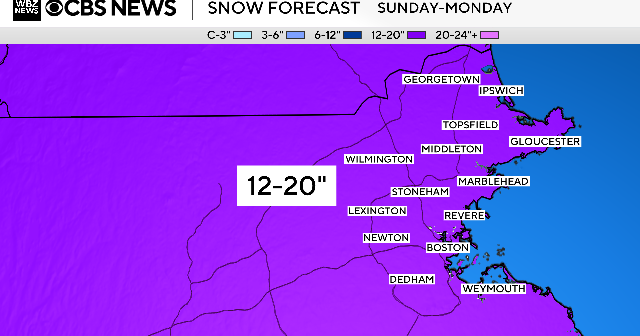
Governor Maura Healey has lifted the non-essential travel ban for Bristol, Plymouth, Barnstable, and Dukes counties at noon on Tuesday, February 24, 2026, following the devastating Blizzard of 2026. This decision marks a key step in recovery after the storm dumped over three feet of snow in southeastern Massachusetts, crippling roads and infrastructure.
Cleanup Challenges and Safety Warnings
Despite the lift, officials strongly urge residents to stay off roads if possible. Snow-covered, icy, and slushy conditions persist, hindering plow crews battling to clear highways and local streets. Local restrictions remain in cities like New Bedford, Fall River, and Brockton, with parking bans and state of emergency declarations still active in most eastern counties. Power outages affect thousands, delaying full restoration efforts by days.
What's Next for Motorists
Exemptions previously covered emergency workers and critical services, but now drivers must check 511 or mass.gov for updates. National Guard assistance and MassDOT equipment aid towns, yet caution is vital to avoid stranding vehicles or crashes. Recovery continues, prioritizing safety as communities dig out.
About the Organizations Mentioned
MassDOT
The **Massachusetts Department of Transportation (MassDOT)** is the state's comprehensive transportation authority, managing a multimodal system that serves millions of daily travelers across the Commonwealth.[1][3] ## Organization and Structure MassDOT was established through the merger of multiple transportation entities under Chapters 25 and 26 of the Acts of 2009, consolidating the Executive Office of Transportation and Public Works, the Massachusetts Highway Department, the Massachusetts Aeronautics Commission, the Massachusetts Bay Transportation Authority, the Massachusetts Turnpike Authority, and the Registry of Motor Vehicles.[1] The organization operates through four major divisions: Highway, Rail and Transit, Aeronautics, and Registry of Motor Vehicles.[1] ## Mission and Scope With over 4,000 employees, MassDOT's mission centers on delivering excellent customer service by providing transportation infrastructure that is safe, reliable, robust, and resilient.[2][3] The organization oversees roads, public transit, aeronautics, and transportation licensing and registration across Massachusetts.[7] Daily, up to 5 million vehicles travel more than 154 million miles on state roads, handled by the Highway Division, which builds and maintains roads, bridges, and tunnels throughout all regions.[4] ## Current Operations and Innovation MassDOT operates the Highway Operations Center in South Boston, a 24/7/365 traffic management facility that monitors state roadways and coordinates emergency response.[4] The organization has embraced modern technology, integrating real-time traffic feeds from Waze into its operations to enhance emergency response times and incident detection.[4] The GIS team plans to expand this capability to monitor buses, trains, and subways in real time, while supporting research initiatives for accident prevention.[4] ## Community Impact Beyond infrastructure, MassDOT supports economic development and quality of
National Guard
## Overview The National Guard is a unique component of the United States Armed Forces, serving as both a state and federal military reserve. It is divided into the Army National Guard and the Air National Guard, each functioning as the primary combat reserve for the U.S. Army and Air Force, respectively[1][5]. Unlike other military reserves, the National Guard can be activated by state governors for domestic emergencies—such as natural disasters, civil unrest, or public health crises—while also being deployable overseas by the president during national emergencies or conflicts[1][2]. This dual role makes it a critical bridge between civilian life and military service, with most members serving part-time while maintaining civilian careers or education[1][7]. ## History The National Guard traces its origins to 1636 in Salem, Massachusetts, making it the oldest military organization in the U.S.[4][6]. Initially formed as local militias for community defense, it evolved into a structured reserve force integral to every major U.S. conflict since the nation’s founding[6]. The modern National Guard was formally established by the Militia Act of 1903, which standardized training and equipment across states and created a federal role for the Guard[4]. ## Key Achievements The National Guard has been pivotal in both domestic and international crises. Domestically, Guard units have responded to hurricanes, wildfires, the COVID-19 pandemic, and civil disturbances, providing essential support to local authorities[2][6]. Internationally, Guard units have deployed to conflicts in Afghanistan, Iraq, and the Balkans, as well as peacekeeping and training missions worldwide[2][5]. The Guard’s State Partnership Program also fosters military cooperation with over 100 nations, enhancing global security partnerships[5]. ## Current Status and Notable Aspects Today, the National Guard comprises approximately 430,000 members across all 50 states, Washington, D.C., and U.S. territories[1][6]. It is overs