Trump vs Rob Reiner: How Celebrity Feuds Shape Political Narratives
Opening
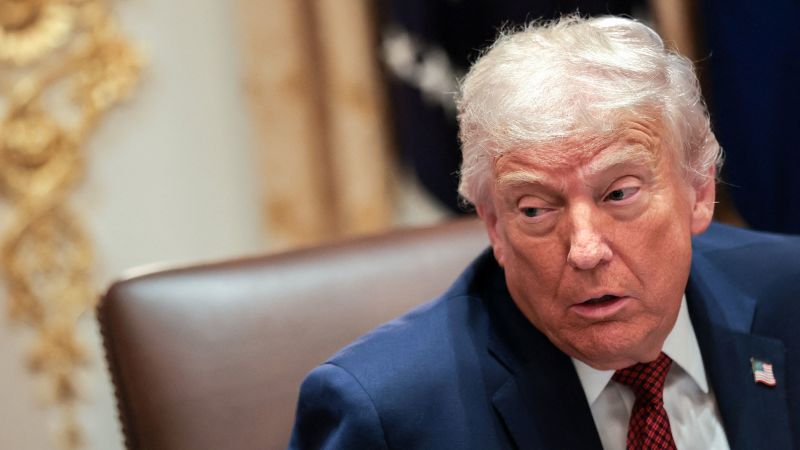
“Very bad for our country”: that blunt line frames a renewed exchange after former President Trump escalated criticism of filmmaker Rob Reiner, repeating his personal dislike and casting cultural disagreements as national concerns. The remark, echoing past public spats, foregrounds how celebrity feuds are reframed into broader political narratives and media cycles.
Context and Examples
Trump’s declaration — “I wasn't a fan of Rob Reiner at all in any way, shape or form” — adds color to a longer pattern of using high-profile clashes to energize supporters and dominate headlines, with allies and opponents responding across TV and social platforms, and commentators debating intent versus impact.
Implications
Beyond personalities, the confrontation highlights tensions between entertainment figures and political leaders, illustrating how rhetoric can influence public discourse, fundraising chatter, and voter perceptions ahead of key news moments.
About the People Mentioned
Rob Reiner
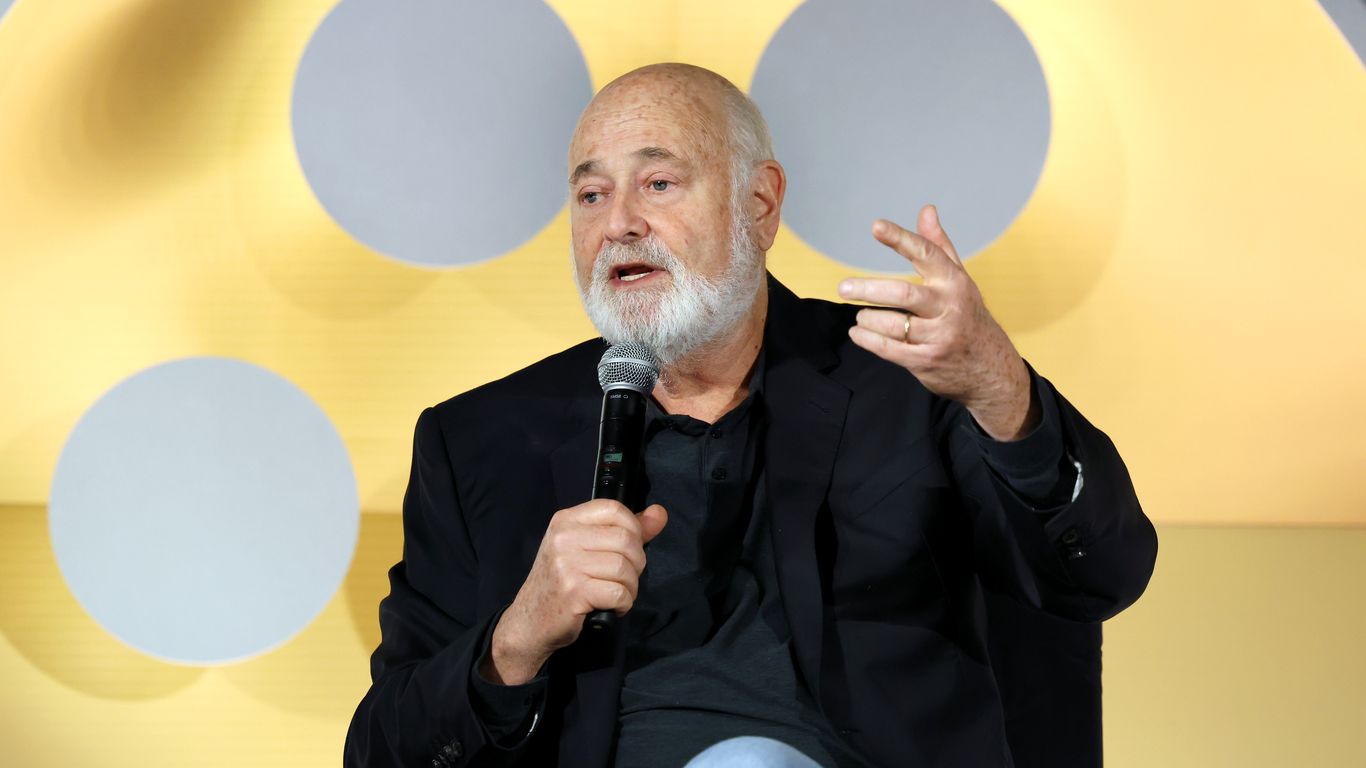
Rob Reiner was an American actor, director, producer, and activist best known for his role as Michael “Meathead” Stivic on the 1970s sitcom All in the Family and for directing several widely admired films from the 1980s onward. Reiner won two Primetime Emmy Awards for his supporting role on All in the Family, which brought him national recognition as an actor[4][5]. He transitioned to filmmaking and directed the cult mockumentary This Is Spinal Tap (1984), the coming‑of‑age drama Stand by Me (1986), the fantasy romance The Princess Bride (1987), and the romantic comedy When Harry Met Sally… (1989), among others; these films are frequently cited as culturally influential and commercially successful entries in their genres[1][5]. Reiner’s later directorial credits include the psychological thriller Misery (1990) and the courtroom drama A Few Good Men (1992)[1][5]. In 1987 Reiner co‑founded Castle Rock Entertainment, a production company that produced many notable films and helped establish his role as a producer in addition to director[2][5]. His career earned both critical acclaim and mainstream box‑office success, and several of his films received awards recognition[1][5]. Outside entertainment, Reiner was active in public life: he served as founding chair of First 5 California, an agency focused on early‑childhood programs, and he and his wife Michele were prominent supporters of LGBTQ+ rights, including work with the American Foundation for Equal Rights during campaigns to overturn same‑sex marriage bans[4]. In later years he continued producing and appeared in occasional acting roles while speaking publicly on political and social issues[3][4]. Recent coverage of Reiner has reflected on his long career and continued public engagement, including producing work and politically themed projects through the 2010s and 2020s[3][7].
Donald Trump
Donald John Trump, born June 14, 1946, in Queens, New York, is an American businessman, media personality, and politician. He graduated from the University of Pennsylvania’s Wharton School in 1968 with a degree in economics. In 1971, he took over his family’s real estate business, renaming it the Trump Organization, through which he expanded into building and managing skyscrapers, hotels, casinos, and golf courses. Trump gained widespread fame as the host of the reality TV show *The Apprentice* from 2004 to 2015, which helped establish his public persona as a successful entrepreneur. Trump entered politics as a Republican and was elected the 45th president of the United States, serving from 2017 to 2021. His presidency was marked by significant policy actions including tax cuts, deregulation, the appointment of three Supreme Court justices, renegotiation of trade agreements (notably replacing NAFTA with the USMCA), and a focus on immigration control including border wall expansion. He withdrew the U.S. from international agreements such as the Paris Climate Accord and the Iran nuclear deal, and engaged in a trade war with China. His administration’s response to the COVID-19 pandemic was criticized for downplaying the virus’s severity. Trump was impeached twice by the House of Representatives—first in 2019 for abuse of power and obstruction, and again in 2021 for incitement of insurrection—but was acquitted by the Senate both times. After losing the 2020 election to Joe Biden, Trump challenged the results, culminating in the January 6, 2021, Capitol riot. He remains a central figure in American politics, having won the 2024 presidential election and returned as the 47th president in 2025, continuing to promote policies aimed at economic growth, border security, and military strength[1][2][3][4].