U.S. Freezes Immigrant Visas for 75 Countries

U.S. Freezes Immigrant Visas for 75 Countries
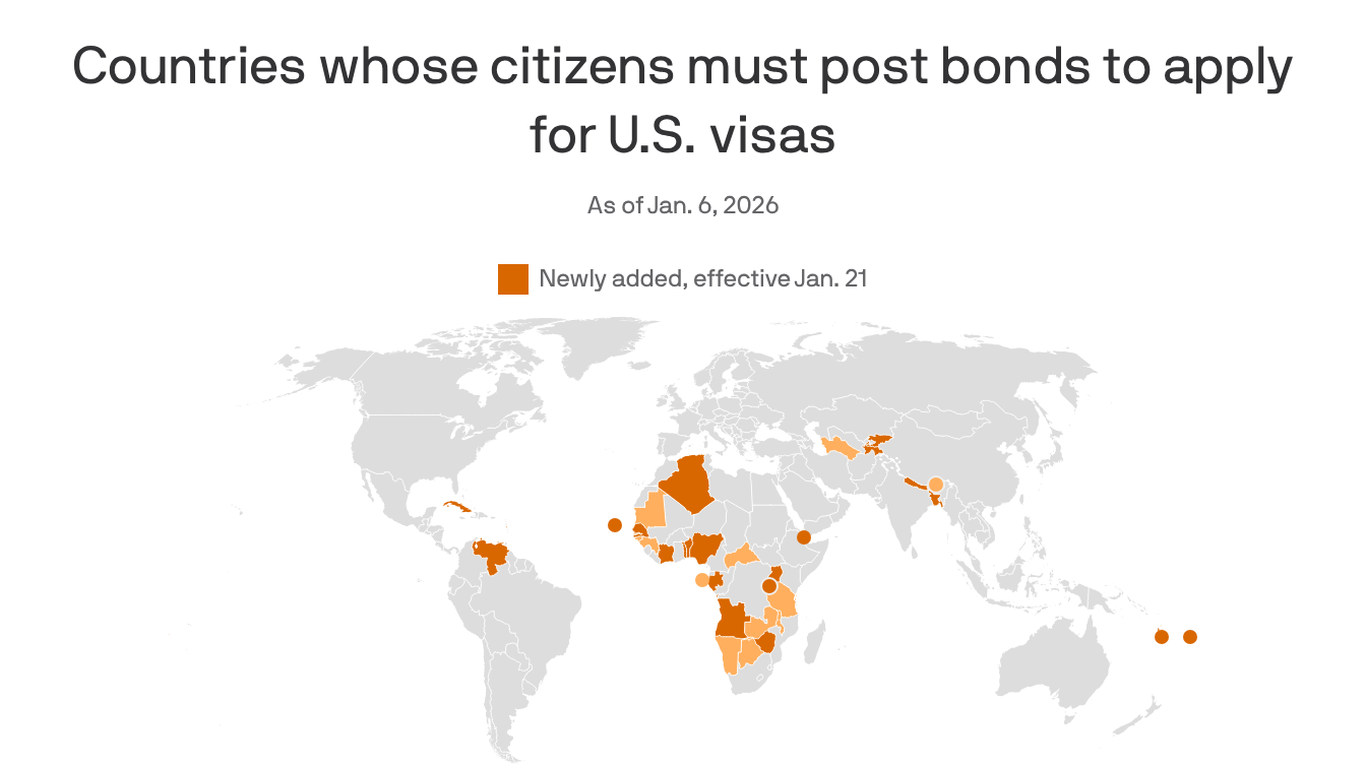
The U.S. State Department announced a pause on immigrant visa processing for citizens of 75 countries, effective January 21, 2026, amid concerns over potential public charge reliance. This bold move targets nations where applicants are deemed likely to depend on American welfare systems, aiming to safeguard public resources during a comprehensive vetting overhaul.[1][2]
Reasons Behind the Visa Suspension
Officials cite longstanding immigration laws to refuse visas for those at risk of becoming public charges, addressing what they call abuse of the system. The indefinite freeze allows reassessment of screening procedures, ensuring only self-sufficient immigrants enter. Countries like Somalia, Russia, Afghanistan, Brazil, Iran, Iraq, Egypt, Nigeria, Thailand, and Yemen top the list, alongside others including Pakistan, Syria, and Haiti.[2][3]
Global Impact and Next Steps
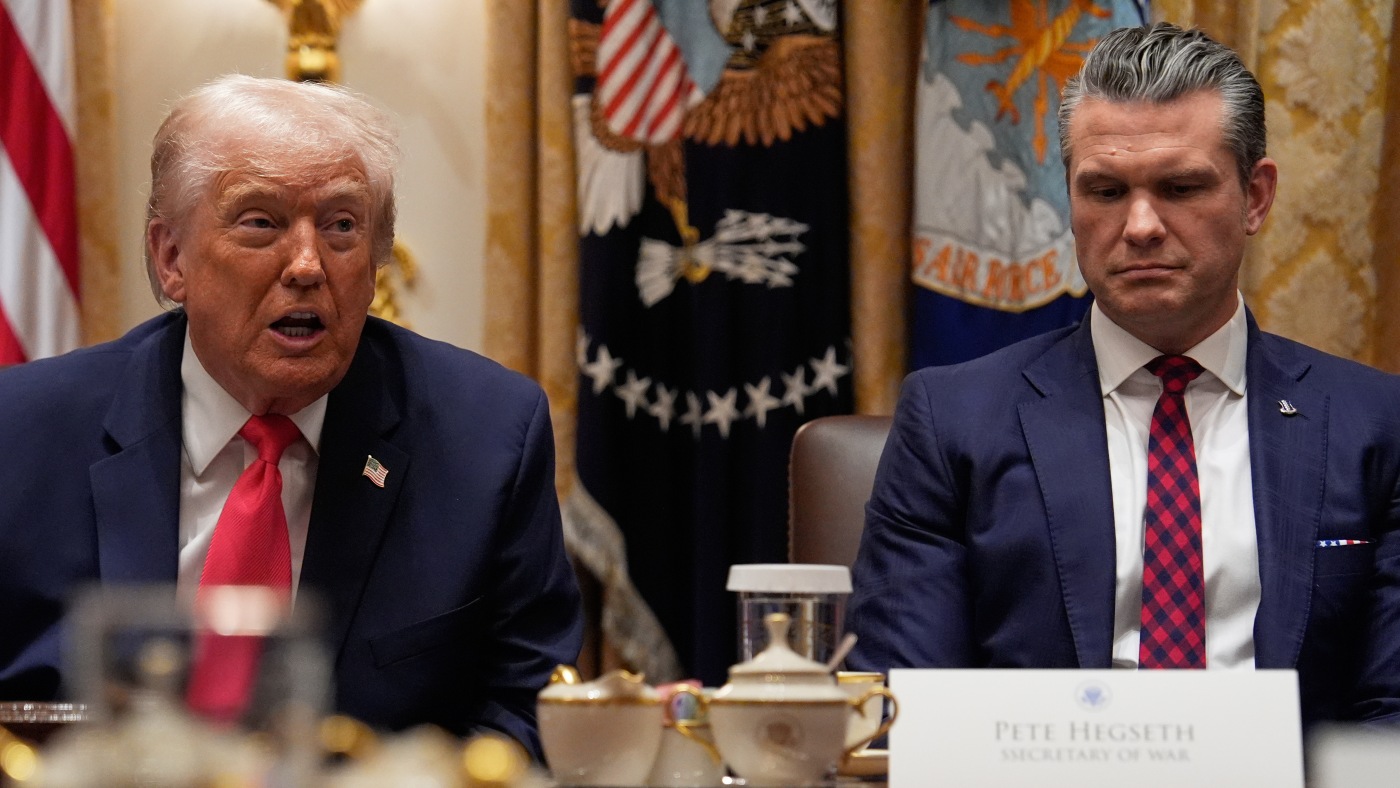
This policy shift, under the Trump administration, precedes major events like the 2026 World Cup, with exemptions for athletes and teams. Affected applicants face delays, prompting urgency for alternatives or appeals. Travelers should monitor State Department updates as processing halts reshape immigration pathways worldwide.[1][4]
About the Organizations Mentioned
U.S. State Department
## Overview and Mission The United States Department of State (DOS), often referred to as the State Department, is the executive branch agency responsible for managing America’s foreign policy and international relations[2]. Established in 1789 as the first federal executive department, it advises the president on diplomacy, administers diplomatic missions, negotiates treaties, protects U.S. citizens abroad, and represents the nation at the United Nations[2]. It is headquartered in the Harry S Truman Building in Washington, D.C., and is led by the Secretary of State, currently Marco Rubio as of January 2025[2]. ## Core Functions and Structure The State Department’s mission is to advance the interests, security, and economic prosperity of the American people through diplomacy, advocacy, and assistance[3]. It operates a global network of embassies and consulates, staffed by Foreign Service officers, Civil Service employees, and political appointees. The department manages U.S. engagement in international organizations, oversees foreign aid, and coordinates with other agencies on matters ranging from trade to cybersecurity[2][3]. Its structure is designed to adapt to evolving global challenges, with recent emphasis on great power competition, especially with China, in domains like artificial intelligence, cyberspace, and polar regions[4]. ## Historical Significance and Key Achievements Since its founding, the State Department has played a pivotal role in shaping U.S. foreign policy, from the Louisiana Purchase to the Marshall Plan, the Camp David Accords, and the Iran nuclear deal. It has been instrumental in promoting democracy, human rights, and free markets worldwide. The department also runs exchange programs, such as the Professional Fellows initiative, which fosters international professional collaboration[2]. ## Current Status and Notable Developments Under the current administration, the State Department is undergoing significant reforms aimed at streamlining bureaucracy, increasing political appointees in key roles, and aligning its operations more closely with the president’s agenda[1]. There