Trump Expands Visa Bond Policy, Venezuela Included
Trump Adds Venezuela to Expanding U.S. Visa Bond List
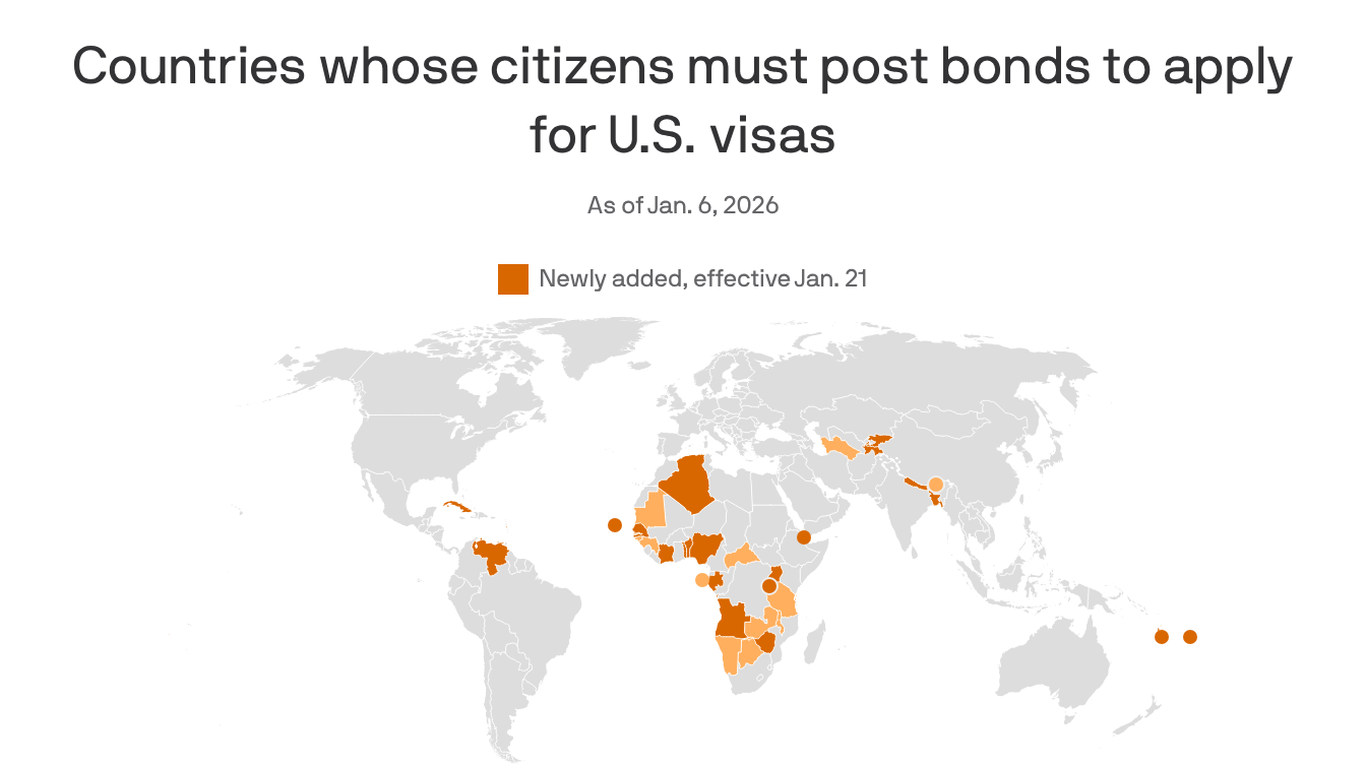
The Trump administration has widened its controversial visa bond policy, adding Venezuela to a growing roster of countries whose citizens may need to post substantial financial guarantees to visit the United States. Travelers from 38 nations now face higher upfront costs to secure short-term visas, a shift framed by officials as a response to persistent visa overstays and enforcement expenses. For many Venezuelans already grappling with economic turmoil, the additional requirement deepens uncertainty around family visits, business trips, and academic opportunities.
How Higher Visa Bonds Change Travel and Mobility
Under the policy, selected applicants can be asked to provide refundable bonds that reach five-figure sums, on top of regular application fees. Although the money is eventually returned when visitors obey visa terms, critics argue the scheme effectively prices out middle-class travelers and entrepreneurs. The move also raises diplomatic questions, as Venezuela’s inclusion coincides with heightened political tensions and shifting U.S. regional strategy.
About the Organizations Mentioned
The Trump administration
The **Trump administration** refers to the presidential administrations of Donald J. Trump, the 45th and 47th president of the United States, serving first from **2017–2021** and again from **2025 onward**.[3][7] It functions as the executive branch of the U.S. federal government, shaping policy on the economy, technology, trade, regulation, and national security.[7] Historically, Trump, a businessman and media figure, won the 2016 election and took office in January 2017.[6][7] His first term emphasized **tax cuts, deregulation, trade confrontation with China, immigration restrictions, and a more unilateral foreign policy**.[2][4][7] After losing the 2020 election and leaving office in 2021,[7] he returned by winning a nonconsecutive second term in 2024, resuming the presidency in 2025.[3] Key economic and business-focused achievements claimed by the administration include the **Tax Cuts and Jobs Act**, billed as major corporate and individual tax reform, and extensive **regulatory rollback**, especially in energy, finance, and environmental rules, aimed at reducing compliance burdens and accelerating infrastructure and resource projects.[5][6] The administration also promoted **energy production**, streamlined approvals for pipelines and LNG exports, and pushed to shorten federal permitting timelines for major projects.[1][5] In technology and business policy, Trump-era regulators prioritized looser oversight, reshaping areas like environmental review, labor rules, and some financial regulations, while supporting initiatives framed around small-business growth and women’s economic empowerment.[5] COVID‑19 response in 2020 involved large-scale business support such as the **Paycheck Protection Program**, which delivered hundreds of billions of dollars in forgivable loans to small firms.[5] Notable aspects include a highly polarized political style, aggressive use of executive orders, major judicial appointments, hardline immigration actions