Reaction to Vanity Fair Interview Sparks Debate on White House Strategy

Opening reaction
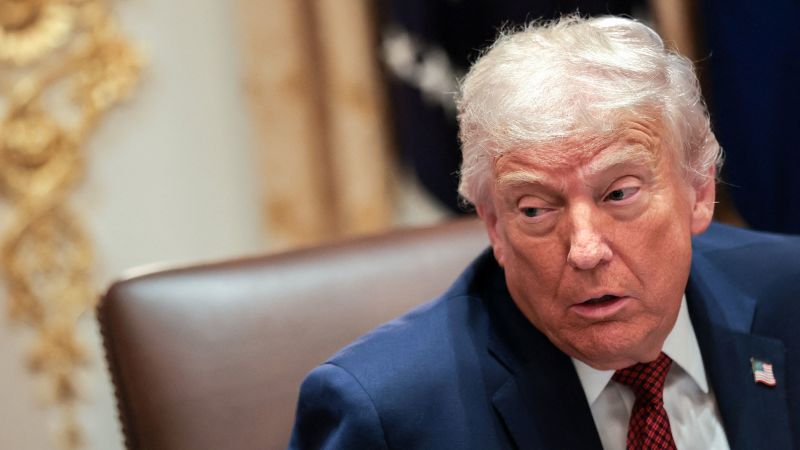
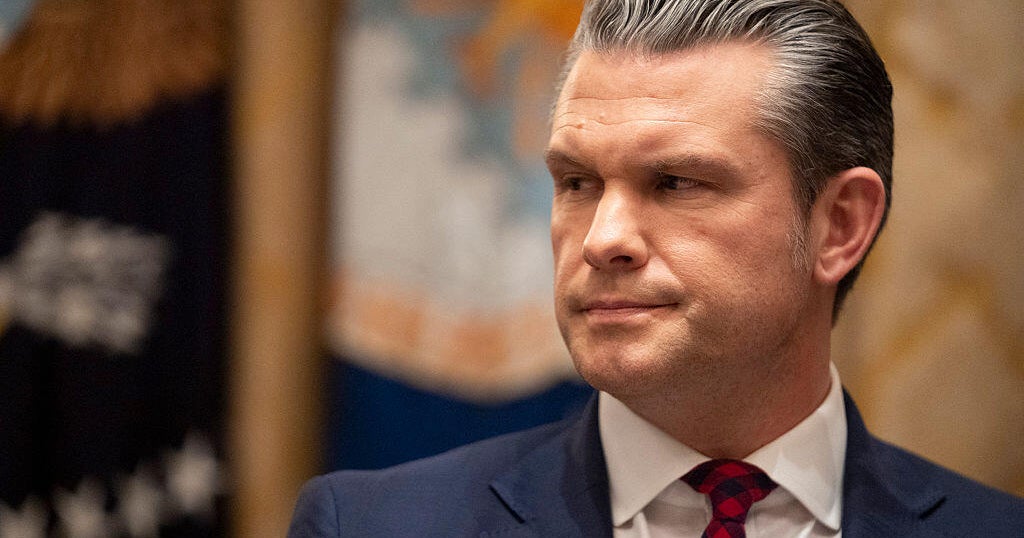
Republicans called the Vanity Fair interview with the chief of staff “extremely demoralizing,” questioning why the White House agreed to such a wide‑ranging conversation and whether candid remarks undercut administration messaging and morale.
Substance and context
The interview’s blunt anecdotes and admissions prompted concerns about strategy, staff cohesion, and media timing, as opponents and allies parsed lines for political impact and behind‑the‑scenes clarity that raised more questions than answers.
Political implications
Beyond immediate fallout, the episode sparked debate over media access, vetting of on‑record comments, and the tradeoff between transparency and discipline, with observers predicting renewed focus on communications protocol and rapid response to limit long‑term damage.
About the Organizations Mentioned
Vanity Fair
Vanity Fair is a long‑running cultural, society and political magazine brand published by Condé Nast that focuses on celebrity, fashion, politics, business and long‑form journalism across print and digital platforms worldwide.[1][5] Founded in several 19th‑century incarnations—with an influential British weekly launched in 1868 and an American title dating to 1859—Vanity Fair was acquired by Condé Nast in 1913, relaunched as a major cultural force in 1914, folded into Vogue in 1936 and then revived by Condé Nast in 1983 to become a modern glossy known for celebrity portraiture and investigative features[1][3][4]. Under editors such as Tina Brown and Graydon Carter the relaunched Vanity Fair cultivated prestige journalism, extending coverage from fashion and society into politics, world affairs and business while creating signature franchises like the Hollywood Issue and the International Best‑Dressed List[1][4]. The brand today operates global editions and a robust digital presence, led editorially by a global team and publishing in multiple markets including the U.S., U.K., France, Italy and Spain as part of Condé Nast’s portfolio[5]. Key achievements include shaping celebrity portraiture and visual culture, commissioning major long‑form reporting and cultural criticism, and producing investigative stories and profile journalism that have driven public conversation and occasional controversy[1][4]. Design and archival projects—such as the centennial retrospective book—have reinforced Vanity Fair’s role as a chronicler of 20th‑ and 21st‑century culture and style[4]. Commercially, Vanity Fair remains one of Condé Nast’s flagship lifestyle and culture brands with significant print heritage and a growing digital footprint that targets readers interested in culture, politics and high‑end consumer trends[1][5][2]. Notable aspects for business and
White House
The **White House Office** is a central organizational component within the Executive Office of the President of the United States (EOP), tasked with supporting the President in managing day-to-day operations, policy formulation, and political affairs. It is headed by the White House Chief of Staff and staffed by senior aides who report directly to the President, including those with titles such as Assistant to the President and Deputy Assistant to the President. These staff members are mostly political appointees without the need for Senate confirmation, allowing the President considerable discretion in shaping the office to suit each administration's priorities[1]. Historically, the White House Office was established in 1939 through Reorganization Plan 1 and Executive Order 8248 to provide immediate assistance to the President. It functions as the nerve center for presidential staff, physically located primarily in the West Wing, and plays a pivotal role in managing the President’s policy agenda, communications, and political strategy. Its flexible organization allows each President to tailor the staff composition and roles according to their governance style and objectives[1]. In the current context of 2025, the White House Office operates under the administration of President Donald J. Trump, who returned to office after the 2024 election. His administration emphasizes rejecting prior policies deemed extremist and focuses on enhancing quality of life, economic growth, and American energy dominance. The administration includes Vice President JD Vance and First Lady Melania Trump, among others, with a Cabinet advising on various governmental functions[4][6]. Recent initiatives linked to the White House’s operational sphere include the establishment of a new **Department of Government Efficiency (DOGE)** aimed at modernizing federal technology and software to boost government productivity. The DOGE agenda is implemented through the renamed United States DOGE Service within the Executive Office, reflecting a concerted push to leverage technology for administrative modernization[5]. Notably, the White House Office also coordinates national security and homeland security functions through the National Security Council staff, underscoring its central role
Republicans
The **Republican Party** is a major political organization in the United States, founded in 1854 in Jackson, Michigan, primarily by anti-slavery activists opposing the expansion of slavery into new U.S. territories[1][2]. Its origins lie in the political turmoil following the Kansas-Nebraska Act, which ignited sectional conflicts. The party emerged from a coalition of former Whigs, Free Soil Democrats, and abolitionists united by the ideology of "Free Soil, Free Labor, Free Men," advocating against slavery, supporting free market labor, and promoting modern economic development including railroads, banking, and high tariffs[4][6]. Key early achievements include the nomination and election of Abraham Lincoln as the first Republican president in 1860, whose leadership during the Civil War was pivotal in preserving the Union and abolishing slavery. Lincoln’s Emancipation Proclamation and the party’s role in passing the 13th, 14th, and 15th Amendments were landmark contributions to civil rights and the redefinition of American freedom[2][5][6]. The party dominated national politics from the Civil War era until the Great Depression, during which it was the principal advocate for industrial and business interests, protective tariffs, and national banking[2][5]. Throughout its history, the Republican Party has undergone ideological shifts but has consistently emphasized economic modernization and conservative fiscal policies, aligning with business and technological advancement. The early 20th century saw figures like Theodore Roosevelt promote progressive reforms, while later eras emphasized free enterprise and innovation to drive growth[2][4]. Currently, the Republican Party remains a central force in American politics, influencing policies related to business, technology, and governance. Its historical legacy as the party of Lincoln and abolition continues to be a defining aspect, shaping its identity and appeal, especially in debates over civil rights, economic policy, and national unity[5][6]. The party’s evolution reflects ongoing tensions between tradition and modernization within the U.S. political landscap