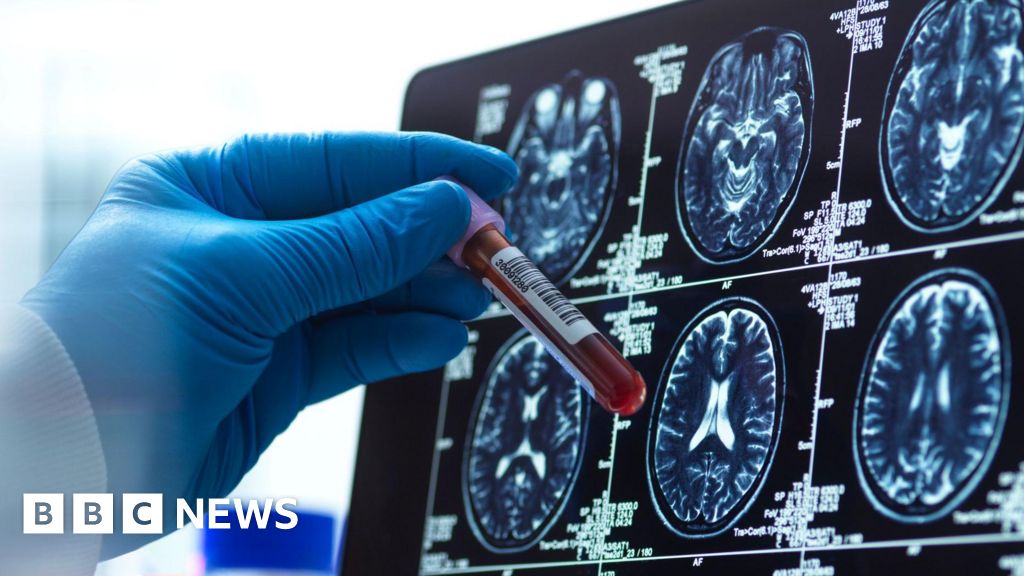
Menopause and Alzheimer's-Like Brain Changes: How Hormones May Shape Dementia Risk

Menopause and Alzheimer's-Like Brain Changes
Recent studies reveal menopause triggers significant loss of grey matter in brain regions critical for memory and emotion, mirroring early Alzheimer's changes. Women experience reductions in the hippocampus, entorhinal cortex, and anterior cingulate cortex, areas vulnerable to dementia pathology. This estrogen decline disrupts synaptic integrity, promotes amyloid-beta buildup, and fuels neuroinflammation, heightening Alzheimer's risk—women comprise two-thirds of cases.[2][4][5]
Mechanisms Behind the Link
Estrogen normally safeguards brain health by enhancing glucose metabolism, neuronal plasticity, and clearing toxic proteins. Post-menopause, its depletion leads to tau hyperphosphorylation, reduced autophagy, and metabolic shifts detectable via PET scans. Earlier menopause amplifies these effects, extending estrogen deprivation and synaptic dysfunction, potentially explaining slower reaction times and cognitive vulnerabilities in affected women.[1][3][6]
Implications and Next Steps
While hormone replacement therapy slows some declines like reaction times, it does not fully prevent grey matter loss or mental health issues such as anxiety and insomnia. Researchers urge greater awareness of menopause's brain impact, advocating personalized interventions considering timing, genetics, and vascular factors to mitigate long-term dementia risks.[4][7][8]





:max_bytes(150000):strip_icc():focal(749x0:751x2)/kim-kardashian-brian-aneurysm-kanye-102325-f69764ac5ef14097a68bc4d82d7ca50a.jpg)