Winter Heating Crisis: One in Five Americans Face Unaffordable Bills
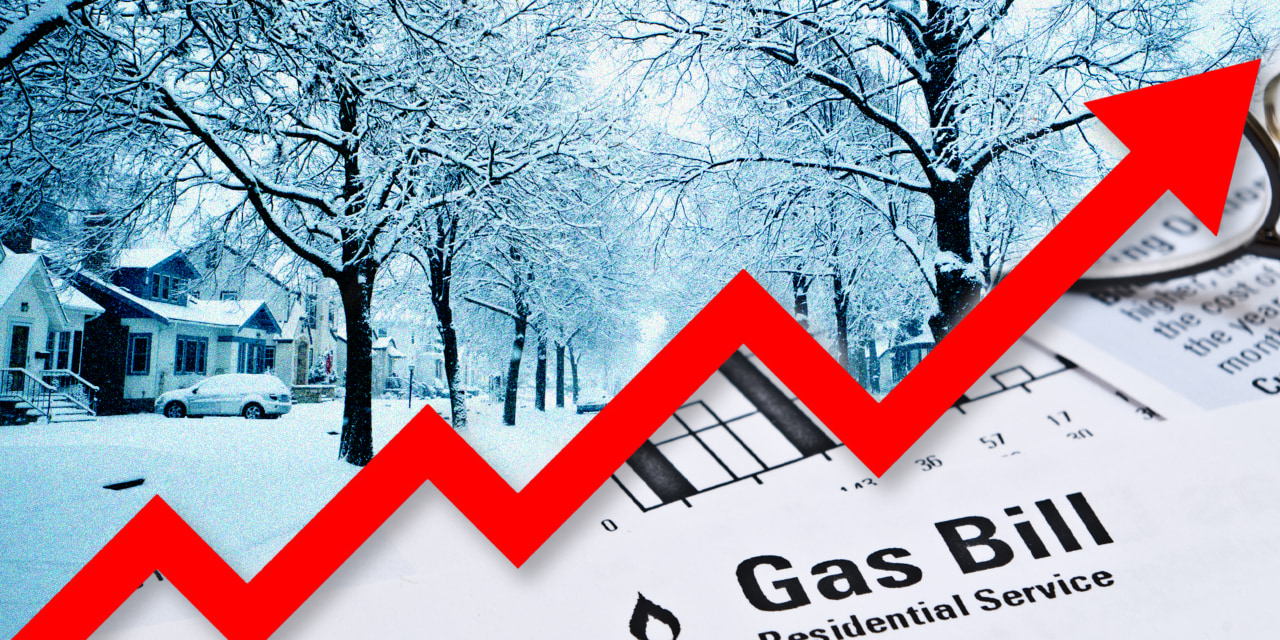
Winter Heating Crisis Hits One in Five Americans
As brutal winter storms sweep across the nation, one in five Americans faces unaffordable heating bills, with costs surging 9.2 percent this season—over three times inflation. Households brace for an average $995 spend, up $84 from last year, driven by spiking electricity and natural gas prices amid colder weather. Low-income families now devote 6 to 10 percent of earnings to energy, triple the rate of wealthier homes, forcing tough choices between warmth and basics like food or rent.
Regional Strains and Safety Net Shortfalls
States like Indiana and Pennsylvania see 18 percent hikes, with bills jumping nearly $20, while electric-heating users endure the steepest rises. Federal LIHEAP aid of $3.7 billion falls short against escalating demands, leaving nearly 500,000 more households vulnerable than in 2024. Midwest regions expect higher natural gas bills due to prolonged cold snaps, compounding weekend storm impacts.
Pathways to Relief Amid Rising Costs
Energy efficiency upgrades could slash bills 20 to 50 percent, while policy tweaks might cut costs 5 to 40 percent for struggling families. Accelerating clean infrastructure investments offers 5 to 25 percent savings, easing the burden as total household energy—including gasoline—devours over 10 percent of lower-income budgets.
About the Organizations Mentioned
LIHEAP
**The Low Income Home Energy Assistance Program (LIHEAP)** is a vital U.S. federal initiative that delivers one-time grants to help low-income households—especially the elderly, disabled, and families with young children—pay heating and cooling bills, avert shutoffs, and fund weatherization upgrades.[1][2][5] Established in 1981 under the Department of Health and Human Services (HHS), LIHEAP emerged amid the energy crises of the 1970s to shield vulnerable populations from skyrocketing fuel costs, channeling block grants through annual Congressional appropriations to states, territories, tribes, and local agencies.[1][3][6] Funding sources include regular block grants, contingency funds for crises, and incentives for leveraging state resources, with eligibility typically tied to incomes below 150% of the federal poverty level or 60% of state medians—though some states expand access.[1][2] Key achievements underscore LIHEAP's impact: In FY24, it disbursed $4.1 billion, serving 5.9 million households, restoring energy to 279,000 homes, and aiding 2.1 million with disabilities, 968,000 with young children, and 2.5 million seniors—reducing health risks from extreme temperatures.[2][6] Programs like weatherization deliver free efficiency upgrades, cutting long-term bills and emissions, while fast-track services prevent winter shutoffs in remote areas.[5][7] Nationally, it supports roughly 6.7 million households yearly as a cornerstone of the social safety net.[6] Currently, LIHEAP remains robust, with FY26 allocations like California's $212 million sustaining operations amid fluctuating energy markets and climate challenges.[7] For business and tech audiences, its data-driven targeting—via annual state plans—and integration with smart grid incentives highlight scalable models for energy equity, blending social good with efficiency tech to lower utility burdens and boost grid stability.[3][1