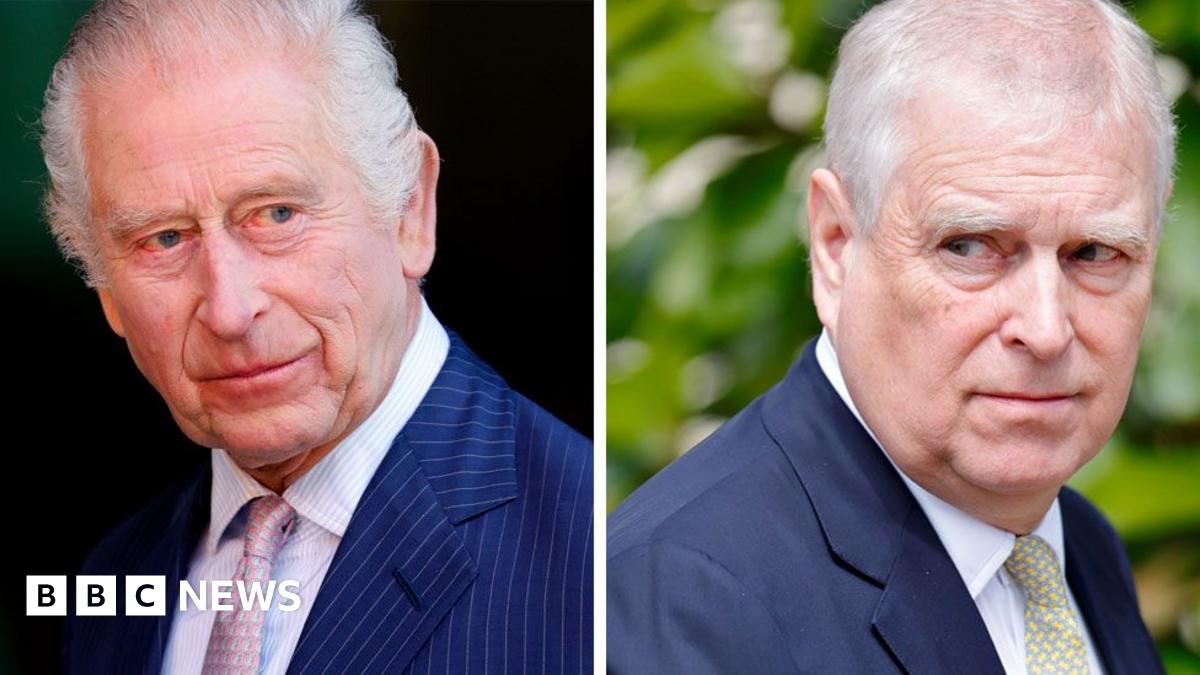
Andrew Mountbatten Windsor Remains at Royal Lodge Amid Succession Debates
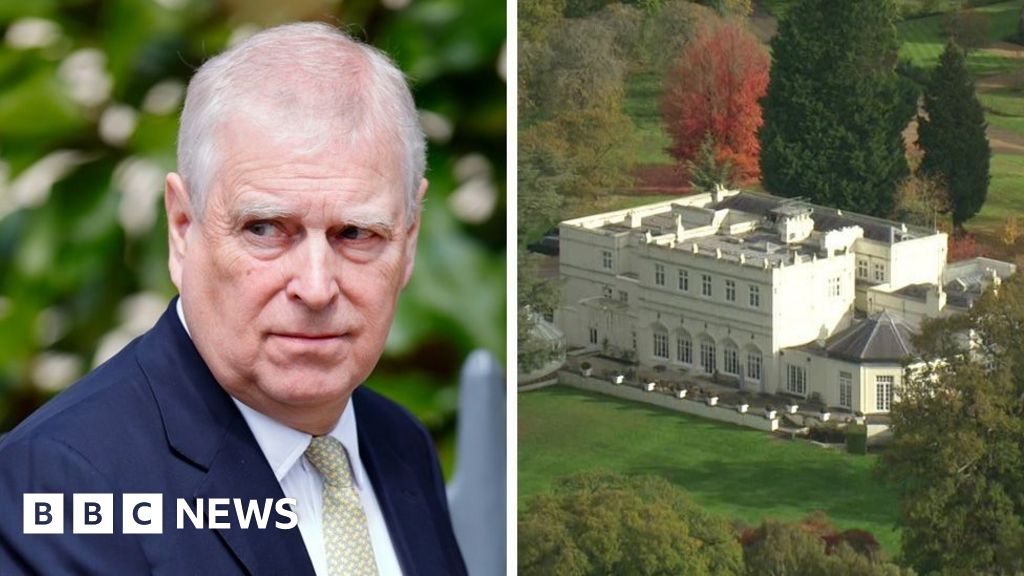
Andrew Mountbatten Windsor Remains at Royal Lodge
Prince Andrew, Duke of York, will continue to reside at Royal Lodge for the foreseeable future, despite ongoing public scrutiny and media speculation. The decision reflects the monarchy’s careful approach to balancing tradition, privacy, and public perception. There are no immediate plans for him to vacate the property, which has long served as his primary residence.
No Changes to Line of Succession
The government has confirmed there are no intentions to formally remove Prince Andrew from the line of succession. This maintains the established order, even as debates continue about the role of senior royals in modern Britain. The decision underscores the constitutional principle that succession is determined by birthright, not by personal conduct or public opinion.
Broader Implications
Andrew’s continued presence at Royal Lodge and his place in the succession highlight the monarchy’s cautious navigation of contemporary challenges. While public interest remains high, the institution prioritizes stability and continuity, ensuring that changes are made only after careful consideration and consultation.
About the People Mentioned
Andrew Mountbatten Windsor
Andrew Mountbatten Windsor, born February 19, 1960, in Buckingham Palace, is the third child and second son of Queen Elizabeth II and Prince Philip, Duke of Edinburgh, and the younger brother of King Charles III. He is eighth in line to the British throne and father to Princess Beatrice and Princess Eugenie from his marriage to Sarah Ferguson, which took place on July 23, 1986, at Westminster Abbey and ended in divorce on May 30, 1996.[1][2][3] Windsor pursued a distinguished 22-year naval career, serving as a helicopter pilot during the 1982 Falklands War aboard HMS Invincible, where he conducted anti-submarine missions, casualty evacuations, and search-and-rescue operations. He rose to lieutenant commander, captained the minehunter HMS Cottesmore from 1993 to 1994, and retired in 2001 as a commander, later holding honorary ranks up to vice admiral.[1][2][3][5] Post-military, he served as the UK's special representative for international trade and investment until 2011, and held colonel-in-chief positions in various regiments while patronizing organizations like the British Science Association and Outward Bound Trust.[1][2] His public life unraveled due to ties with Jeffrey Epstein, a convicted sex offender. In 2019, amid allegations including a lawsuit by Virginia Giuffre claiming sexual abuse (settled out of court in 2022 with a donation to her charity), Windsor stepped back from duties. Queen Elizabeth II stripped his military affiliations and royal patronages that year.[1][3][5] In October 2025, following unsealed Epstein documents and ahead of a memoir by Giuffre (who died by suicide in April), King Charles stripped his remaining titles—including Duke of York—and evicted him from Royal Lodge at Windsor Castle, mandating use of the name Andrew Mountbatten Windsor. He attended Charles's coronation in 2023 without a role. Recent scrutiny includes a cut-rate rental deal for a St James's Palace flat for his daughters.[1][3][4] (Word count: 298)
Prince Andrew, Duke of York
Prince Andrew, Duke of York, is a British royal — the second son of Queen Elizabeth II and Prince Philip — born 19 February 1960, who served as a naval officer and later held various public and charitable roles before largely withdrawing from public duties following controversy over his associations and conduct. [1] Andrew trained at Britannia Royal Naval College and served in the Royal Navy from 1979 to 2001, including active service during the 1982 Falklands War, for which he received recognition and later held honorary military appointments and patronages linked to the armed forces and industry. [1] As a working royal he undertook diplomatic, trade-promotion and charity engagements on behalf of the monarchy for decades and was known for patronages in science, technology and youth entrepreneurship. [1] His wider public profile shifted dramatically after revelations about his relationship with financier Jeffrey Epstein and related allegations, which led to intense media scrutiny, legal action and the loss of most royal patronages and public duties; the scandal prompted the royal household to state that he would no longer undertake public responsibilities in an official capacity. [1][3] In recent years Andrew has been the subject of investigative biographies and media coverage that re-examine his naval career, business links and personal conduct; these works combine new reporting, public records and interviews to assess his role within the royal family and the impact of the Epstein association on his reputation. [1][2][3] Legally and publicly, his situation has included litigation and settlements connected to allegations arising from the Epstein case, and the episode remains the principal factor in his current relevance: he is now primarily a private figure with limited public presence, and public discussion centers on accountability, institutional responses and the broader implications for the monarchy. [1][3]
About the Organizations Mentioned
Government
The organization of government is a complex entity responsible for setting rules and policies that govern a society. It plays a pivotal role in shaping the economic, social, and political landscape of a nation. Governments are established to ensure the welfare and security of their citizens through various functions such as law enforcement, infrastructure development, and public service provision. **History and Evolution** Governments have evolved significantly over time, adapting to changing societal needs and technological advancements. From ancient civilizations to modern democracies, governments have been instrumental in organizing societies and facilitating economic growth. **Key Functions and Achievements** Governments perform numerous critical functions: - **Governance**: Enforcing laws and maintaining order. - **Infrastructure Development**: Building roads, public facilities, and utilities. - **Economic Management**: Regulating markets and managing public finances. - **Social Services**: Providing healthcare, education, and welfare programs. Key achievements include establishing systems of justice, promoting economic stability, and ensuring the delivery of essential services. **Current Status** Today, governments face challenges such as managing digital transformation, addressing environmental issues, and maintaining global security. They must balance traditional roles with modern demands for transparency, efficiency, and innovation. **Notable Aspects** A notable aspect of modern government is the role of technology in enhancing service delivery and citizen engagement. Digital platforms are increasingly used to streamline administrative processes and provide accessible services. Additionally, government agencies play a crucial role in implementing policies and regulations that impact business and technology sectors, influencing innovation and economic growth. Overall, governments continue to evolve, adapting to new challenges while maintaining their core responsibilities to society.