Artemis 2 SLS Wet Dress Rehearsal: NASA Gears Up for Critical Fueling Test
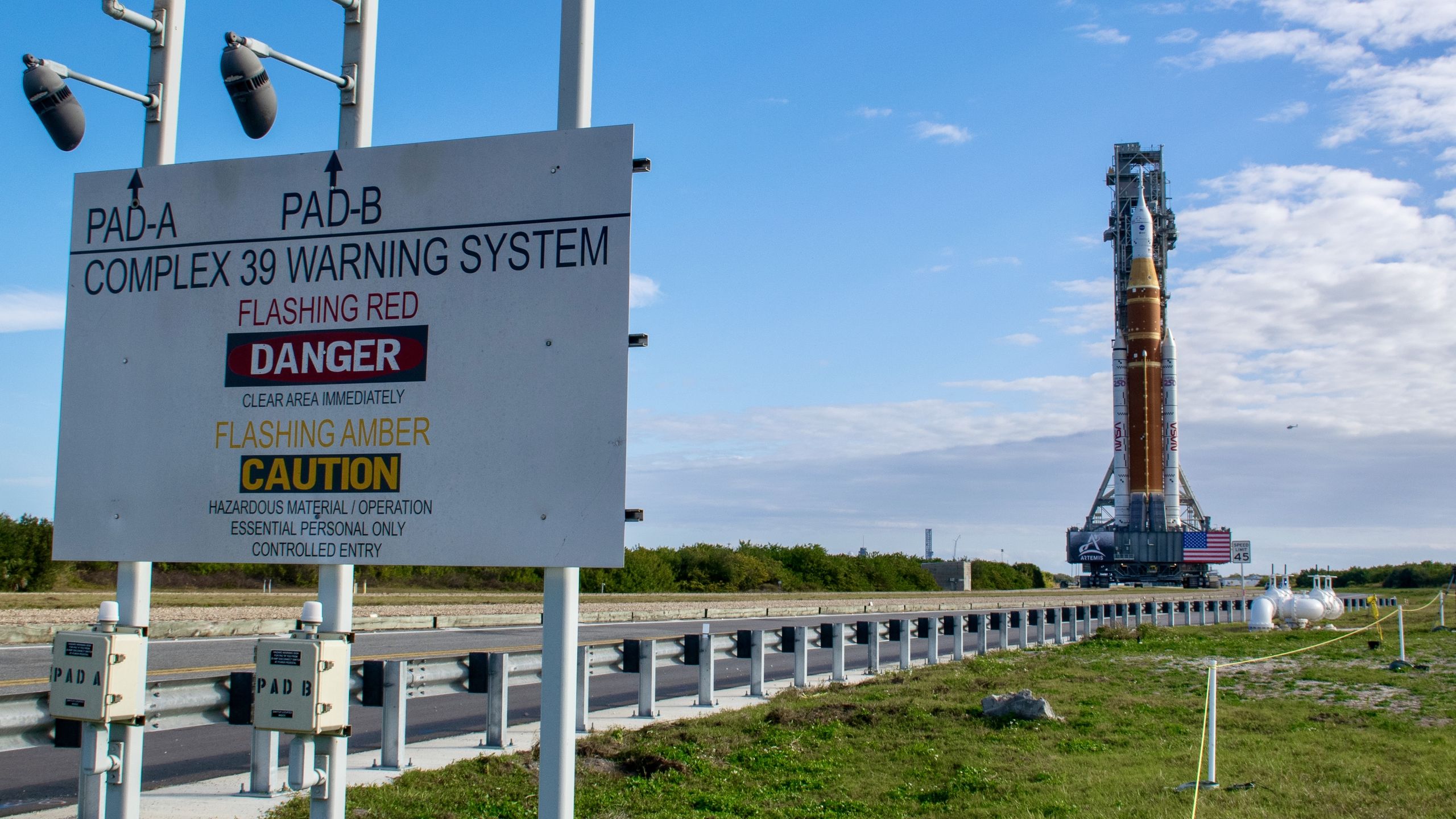
Artemis 2 SLS Wet Dress Rehearsal: NASA Gears Up for Critical Fueling Test
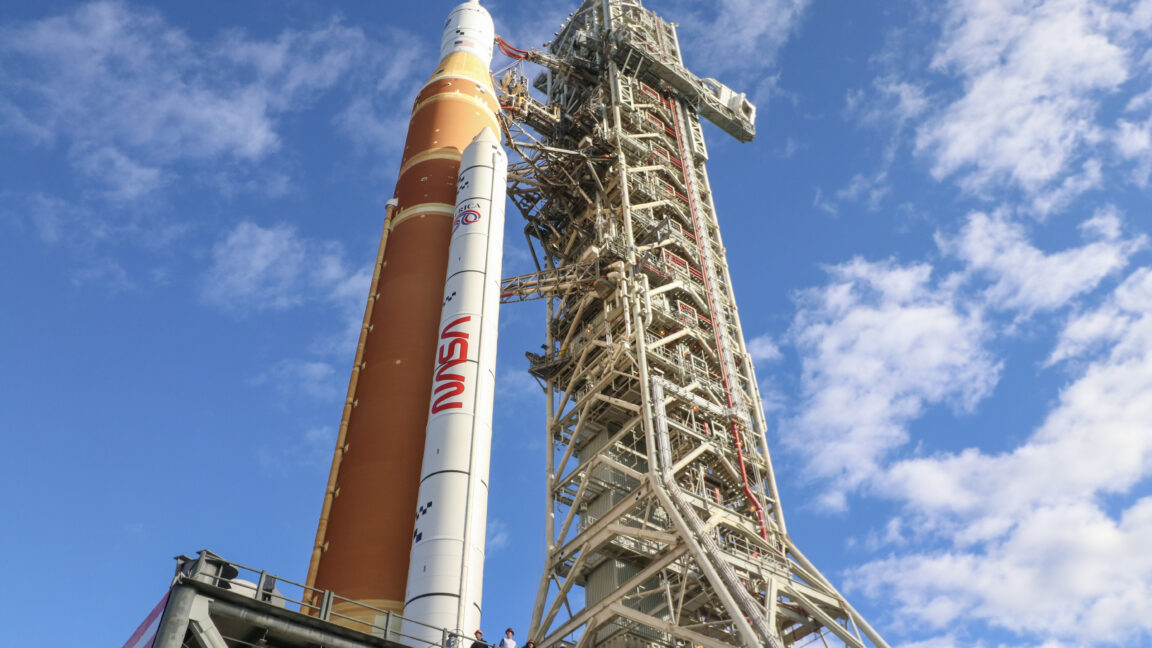
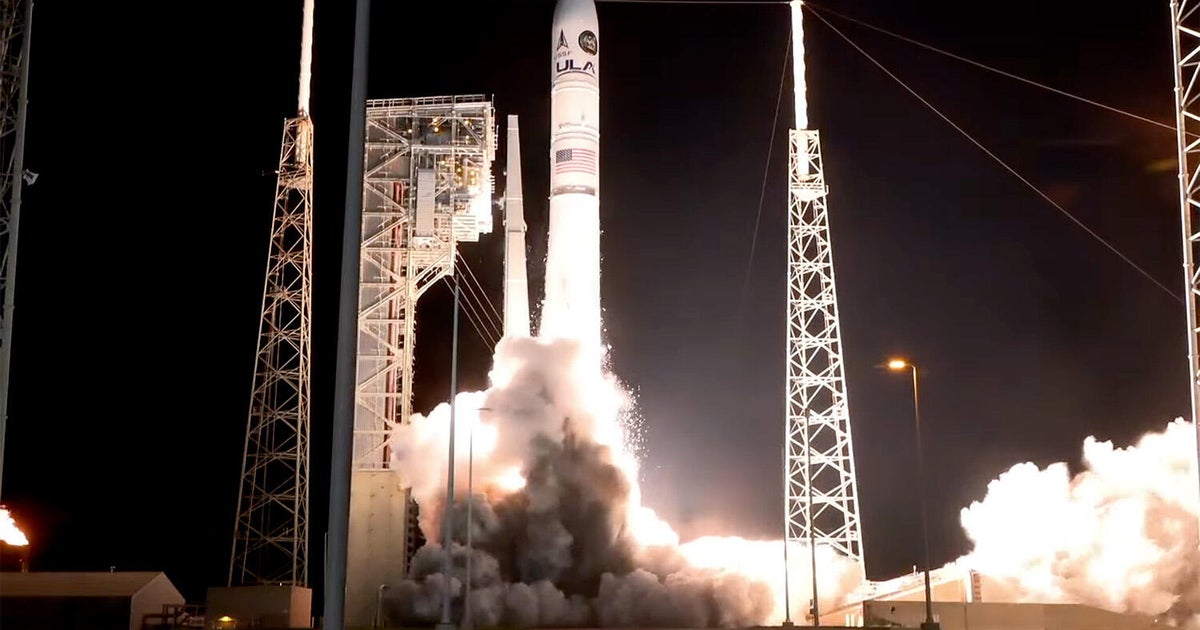
NASA's Space Launch System rocket stands ready at Kennedy Space Center's Launch Pad 39B for the pivotal wet dress rehearsal, the final major milestone before Artemis 2 blasts off with astronauts circling the Moon for the first time since 1972. Delayed from late January due to freezing temperatures and high winds, the test now targets Monday, February 2, 2026, with teams taking stations as the countdown kicked off late Saturday.[1][3][8]
Countdown Underway: What to Expect in the Fueling Milestone
The rehearsal simulates a full launch sequence, loading over 700,000 gallons of cryogenic propellants into the SLS core stage and boosters, running through terminal countdown holds at T-1:30 and T-33 seconds, and practicing safe propellant drain-off without crew aboard. Spanning from 8:13 p.m. EST Saturday to around 1 a.m. Tuesday, it tests ground teams' ability to handle scrubs and recycles, ensuring flawless operations amid Florida's harsh weather.[2][7][9]
Toward Lunar Launch: Next Steps Post-Test
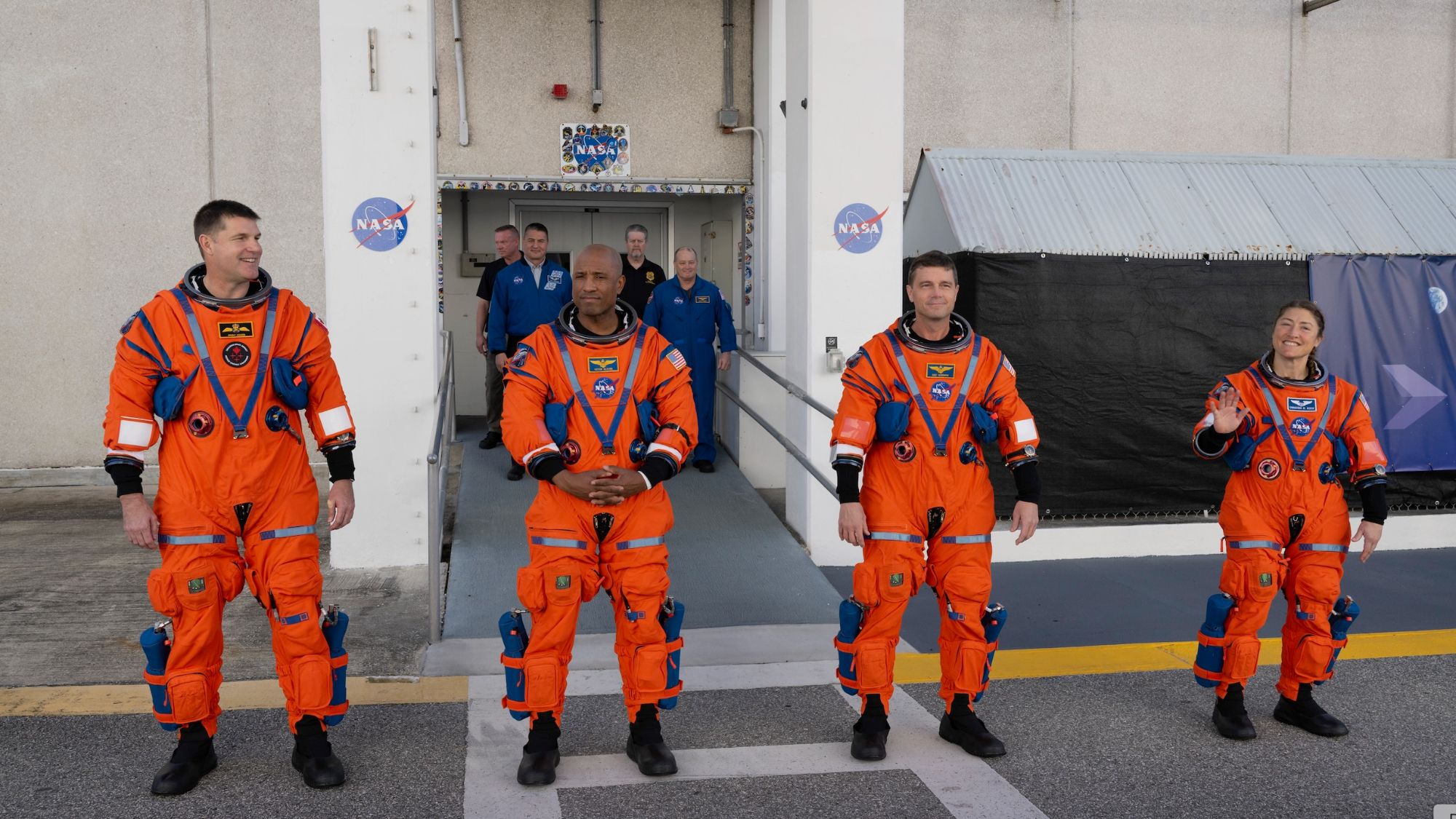
Success here clears the path for a no-earlier-than February 8 liftoff, following rigorous reviews of rocket, Orion spacecraft, pad infrastructure, and crew readiness. With Artemis II crew in quarantine, this dress run validates the mighty SLS, paving humanity's return to deep space exploration.[3][5]
About the Organizations Mentioned
NASA
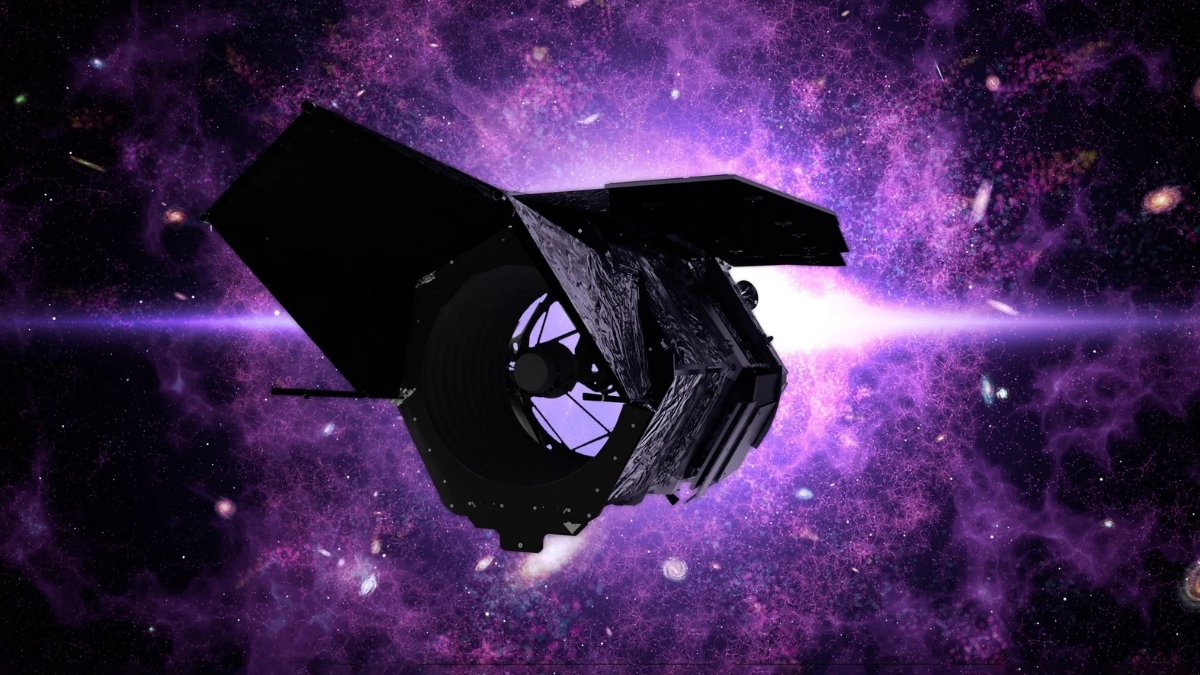
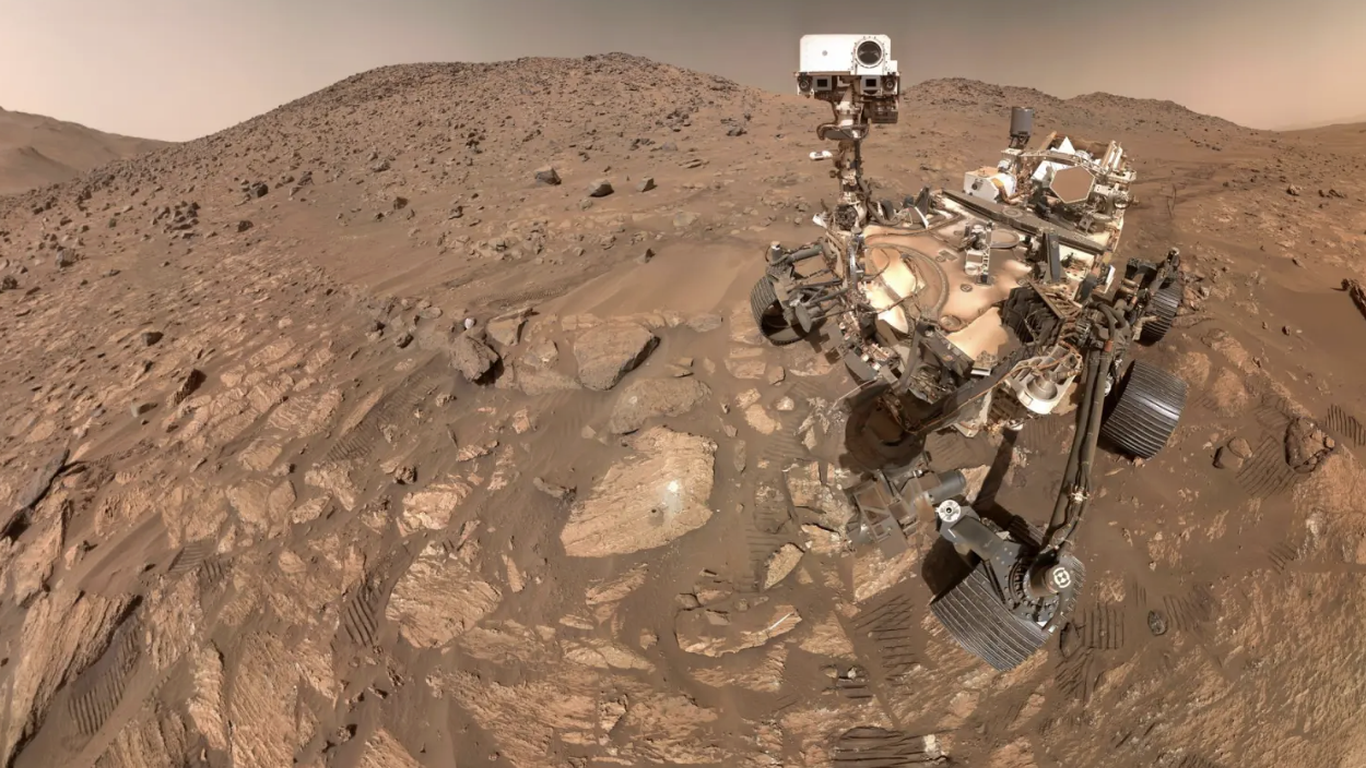
The National Aeronautics and Space Administration (NASA) is the United States’ premier civil space agency, responsible for the nation’s civilian space program, aeronautics research, and aerospace technology development[1][2]. Headquartered in Washington, D.C., NASA operates ten major field centers across the country and employs nearly 18,000 civil servants, supported by an extensive network of contractors, academic institutions, and international partners[1][2]. Since its establishment in 1958, NASA has revolutionized humanity’s understanding of the cosmos, pioneered technological advancements, and shaped global space policy. ## History and Key Achievements NASA was created in response to the Soviet Union’s 1957 launch of Sputnik, with the goal of ensuring U.S. leadership in space exploration. It succeeded the National Advisory Committee for Aeronautics (NACA) and quickly became the driving force behind iconic programs such as Project Mercury (America’s first human spaceflight program), Project Gemini (which developed techniques for space rendezvous and extravehicular activity), and the Apollo program, which landed astronauts on the Moon between 1969 and 1972[1]. The agency also developed the Space Shuttle, the world’s first reusable spacecraft, and built the International Space Station (ISS), a symbol of international collaboration and scientific research[1][5]. NASA’s robotic exploration has been equally transformative, with over 1,000 uncrewed missions investigating Earth, the Moon, Mars, and beyond. The agency’s fleet of observatories—including the Hubble Space Telescope and the James Webb Space Telescope—has provided unprecedented views of the universe, from the birth of stars to the detection of exoplanets[1]. The Perseverance rover is currently searching for signs of ancient life on Mars, while New Horizons explored Pluto and the outer solar system[1]. ## Current Status and Notable Aspects Today, NASA is advancing the Artemis program, aiming to return human