A Shadow Network Defies ICE in Minneapolis
A Shadow Network Defies ICE in Minneapolis
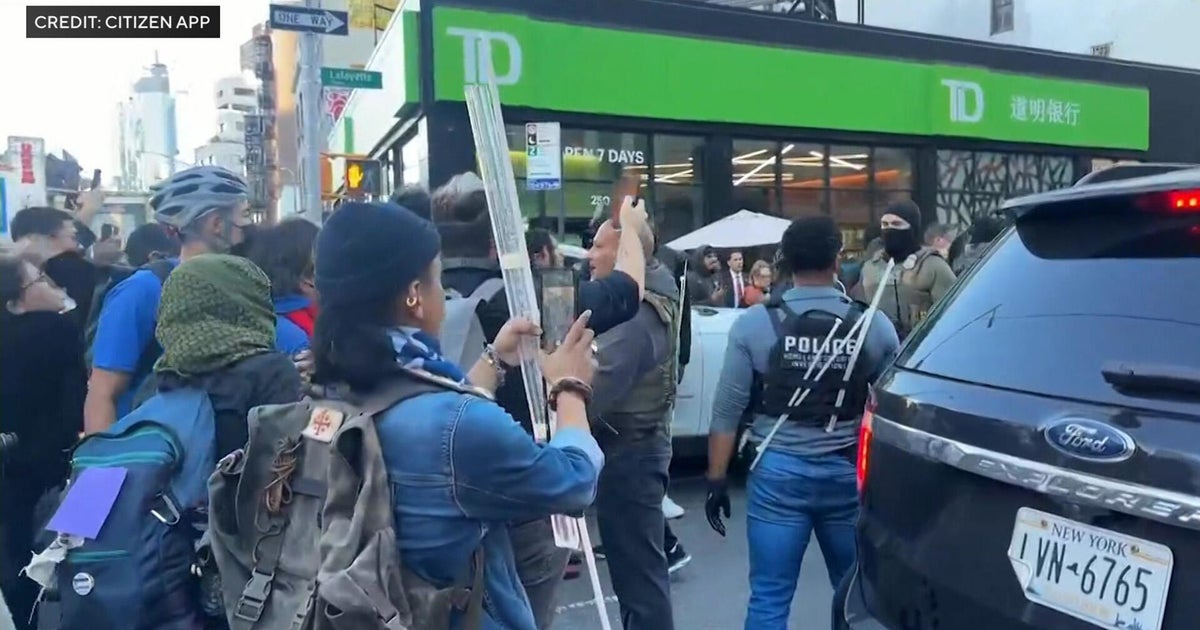
In Minneapolis, shrieking whistles and honking horns have become the city's defiant soundtrack amid Operation Metro Surge, a massive ICE crackdown launched in late 2025. Thousands of everyday residents—teachers, scientists, business owners, and parents—form a sprawling, anonymous network shadowing federal agents in unmarked SUVs. Their mission: warn immigrants, film encounters, and shield communities from aggressive raids targeting Somali and Latino neighborhoods.[1][2]
Escalating Clashes and Community Resistance
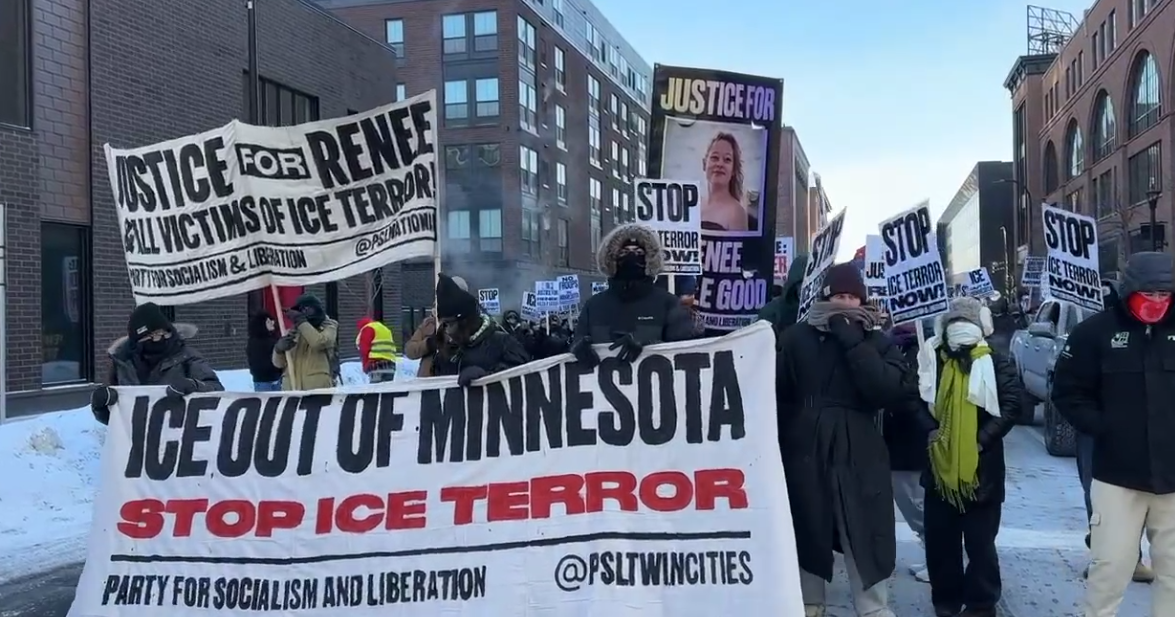
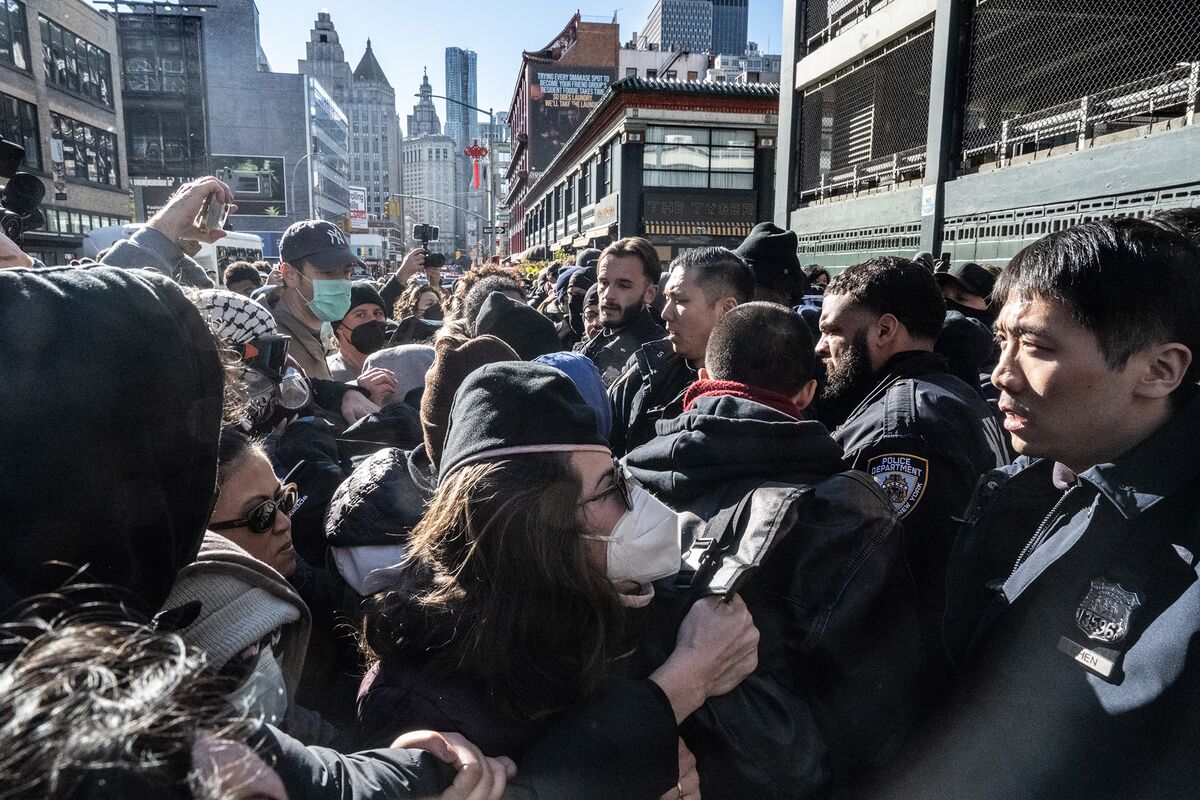
Since early January 2026, over 3,400 arrests have occurred, with masked agents using tear gas, pepper balls, and warrantless detentions, even against U.S. citizens and off-duty officers. Protests erupted, including deadly shootings of civilians, school lockdowns, and a general strike closing 700 businesses. Clergy blocked airports, while thousands braved subzero cold to demand an end.[2][3]
Legal Battles and Lasting Impact
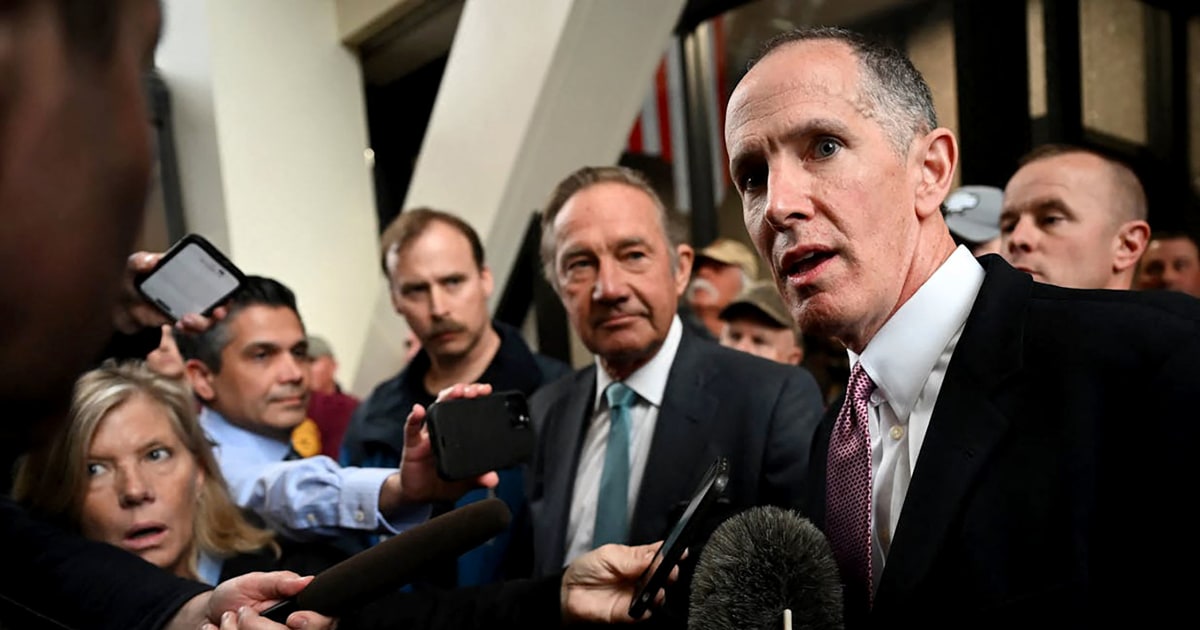
Minnesota's governor, attorney general, ACLU, and cities sued, alleging constitutional violations, racial profiling, and over 96 broken court orders. This shadow network embodies grassroots defiance, disrupting daily life yet highlighting tensions between federal enforcement and local solidarity.[3][4]
About the Organizations Mentioned
ICE
**Immigration and Customs Enforcement (ICE)** is a federal law enforcement agency under the U.S. Department of Homeland Security (DHS), established in 2003 following the Homeland Security Act of 2002, which reorganized existing agencies post-9/11 to enhance national security[1][2]. ICE’s core mission is to protect the United States by enforcing immigration laws, conducting criminal investigations, and preserving public safety. ICE operates primarily through two major divisions: **Homeland Security Investigations (HSI)** and **Enforcement and Removal Operations (ERO)**. HSI focuses on investigating and disrupting transnational criminal organizations involved in customs violations, human trafficking, terrorism, and smuggling. ERO is responsible for the apprehension, detention, and deportation of individuals unlawfully present in the U.S., operating detention facilities and managing removal procedures[2]. ICE’s international reach is managed by the Office of International Affairs (OIA), a key overseas investigative arm coordinating with foreign governments to combat cross-border crime, such as arms smuggling, forced labor, and immigration fraud. OIA supports intelligence gathering, training, treaty implementation, and facilitates global cooperation to preempt threats before they reach U.S. borders[3]. With a workforce exceeding 20,000 employees across more than 400 offices worldwide and an annual budget of about $8 billion, ICE plays a pivotal role in U.S. homeland security[1]. Its activities, especially those involving immigration enforcement and detention, have made it a highly visible and sometimes controversial agency in public discourse, often referred to colloquially in Spanish as "la migra"[2]. Notable achievements include disrupting large-scale criminal networks internationally and supporting the enforcement of over 400 federal statutes concerning customs, immigration, and terrorism prevention. ICE’s dynamic operational scope—spanning law enforcement, international diplomacy, and legal administration—makes it a critical component of U.S. efforts to maintain national security and uphold the rule of law[1][2][
ACLU
The American Civil Liberties Union (ACLU) is a leading nonprofit organization dedicated to defending and expanding civil liberties in the United States. Founded in 1920 during a period of heightened government repression—including the infamous Palmer Raids targeting political dissidents—the ACLU emerged to protect free speech, due process, equal protection, and privacy, especially for groups historically denied these rights[2][4]. Its mission is realized through litigation, legislation, public education, and community outreach, making it a pioneer in public interest law[2][4]. ## History and Founding The ACLU traces its roots to the National Civil Liberties Bureau (NCLB), established in 1917 to support conscientious objectors and anti-war activists during World War I[1][3]. In 1920, Roger Baldwin, Crystal Eastman, and others reorganized the NCLB into the ACLU, broadening its focus beyond wartime dissent to encompass a wide array of civil liberties issues[2][3]. From its inception, the ACLU positioned itself as a nonpartisan defender of constitutional rights, distinct from organizations focused on specific demographics or causes[3]. ## Key Achievements The ACLU has been at the forefront of nearly every major civil liberties battle in U.S. history. Early highlights include defending targets of the Palmer Raids, supporting labor organizers, and securing the release of activists imprisoned for antiwar views[5]. The organization gained national attention with the 1925 Scopes "Monkey" Trial, challenging bans on teaching evolution and spotlighting issues of academic freedom and church-state separation[5][6]. In the mid-20th century, the ACLU played a pivotal role in landmark Supreme Court cases, such as Brown v. Board of Education (1954), which ended school segregation, and Tinker v. Des Moines (1969), affirming students' free speech rights[5]. The ACLU also fought—though not always successfully—against the intern