Australia Resists Repatriation of ISIS-Linked Citizens Amid Syria Crisis

Australia's Firm Stance on ISIS-Linked Citizens
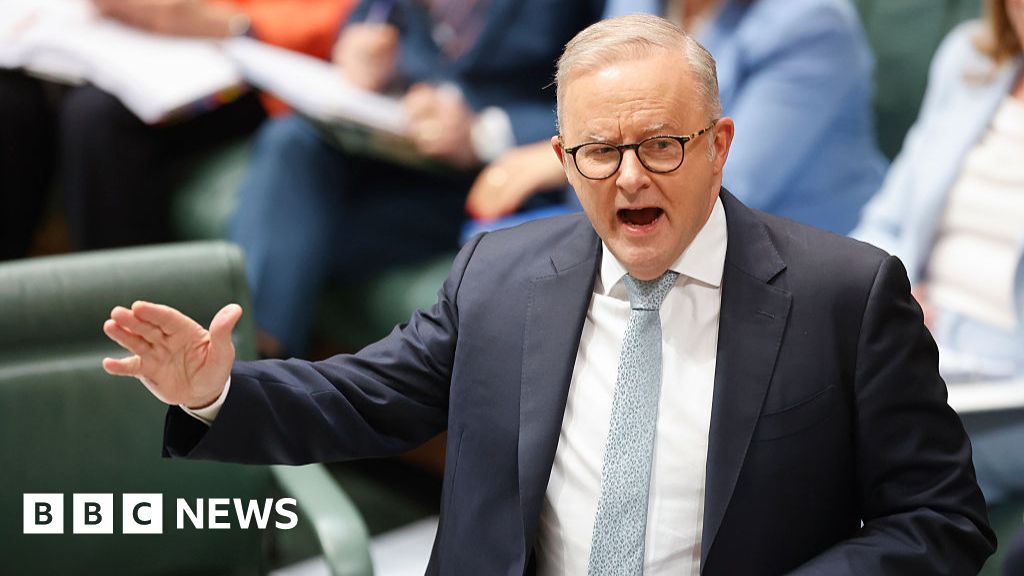
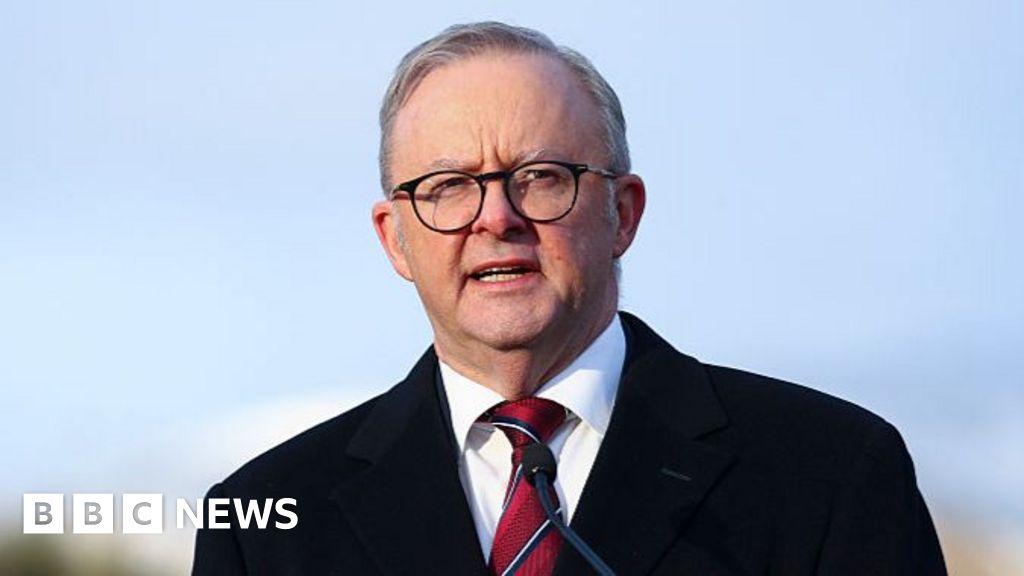
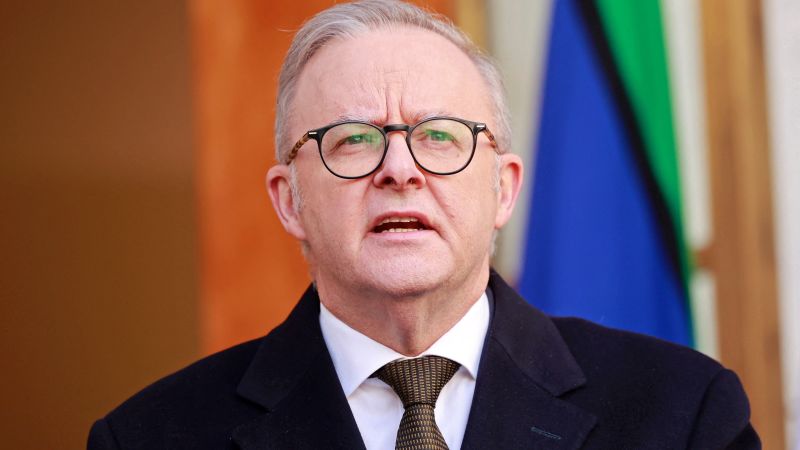
Australian Prime Minister Anthony Albanese has categorically rejected repatriating citizens with Islamic State affiliations currently held in Syrian detention camps. His position reflects growing international tension over foreign fighters and their families stranded in conflict zones. The government's refusal comes after a reported convoy of 34 Australian women and children attempted departure from Roj Camp in northeastern Syria, only to be turned back due to technical complications.
Security Concerns and Political Reality
Albanese's blunt messaging—"if you make your bed, you lie in it"—underscores Australia's prioritization of national security over humanitarian considerations. Officials express concerns about potential radicalization and extremist ideology among detainees. The decision aligns with broader international reluctance to repatriate ISIS-linked individuals, driven by fears of violent extremism and domestic security threats.
Ongoing Crisis in Syria
Approximately 2,000 foreign ISIS families remain in Syrian detention facilities amid deteriorating security conditions. Kurdish and Iraqi authorities have intensified calls for international repatriation assistance as control of camps shifts between regional powers.
```About the People Mentioned
Anthony Albanese
Anthony Albanese, born on March 2, 1963, in Sydney, Australia, is an Australian politician serving as the 31st Prime Minister of Australia since May 23, 2022. He is a member of the Australian Labor Party and has represented the Sydney seat of Grayndler in Parliament since 1996. Albanese grew up in public housing raised by a single mother on a disability pension, a background that shaped his commitment to social equity and government support for disadvantaged Australians[2][5][8]. Albanese held several significant roles before becoming Prime Minister, including Minister for Infrastructure, Transport, Regional Development, and Local Government (2007–2010), during which he oversaw major nation-building projects such as roads, railways, and the National Broadband Network rollout, contributing to economic growth and improved connectivity across Australia[2][3]. He briefly served as Deputy Prime Minister in 2013. After the Labor Party’s electoral defeat in 2013, he continued in opposition and was elected leader of the Labor Party and Leader of the Opposition in May 2019, running unopposed[1][3]. As Prime Minister, Albanese’s government has pursued progressive policies including environmental protections, aiming for a 43% reduction in emissions by 2030, increased minimum wage, expanded support for workers, subsidized childcare, aged care reforms, and paid leave for domestic violence victims. His administration also donated $100 million in aid to Ukraine during the Russia-Ukraine conflict and restored diplomatic relations with China after a long freeze, marked by a key meeting with Chinese President Xi Jinping[1][4]. Albanese advocates for Indigenous recognition through a constitutional referendum to establish a Voice to Parliament, a move toward reconciliation with Aboriginal and Torres Strait Islander peoples[4]. Albanese is noted for his progressive stance on social issues, including support for abortion rights, drug decriminalization, same-sex marriage, transgender rights, and refugee acceptance. He has also emphasized strengthening Australia’s economic and military ties with Europe and the United States[1][4].
About the Organizations Mentioned
ISIS
The organization commonly known as **ISIS** (Islamic State of Iraq and Syria), also referred to as **ISIL** (Islamic State of Iraq and the Levant) or **Daesh**, is a Salafi-jihadist militant group that emerged from the chaos of the Iraq war and the Syrian civil war. It originated from a network led by Abu Musab al-Zarqawi in 2004, which became al-Qaeda in Iraq (AQI). After Zarqawi's death in 2006, the group evolved under Abu Bakr al-Baghdadi, expanding its operations into Syria around 2011. In 2013, AQI rebranded as ISIS, and in 2014, it declared itself a caliphate, claiming religious and political authority over Muslims worldwide while controlling large territories in Iraq and Syria[1][5][6]. ISIS is notorious for its brutal tactics, including mass executions, terrorism, and destruction of cultural heritage sites. Its governance model was based on an extreme fundamentalist interpretation of Sunni Islam, enforcing harsh Sharia law in areas under its control. The group also inspired and orchestrated terrorist attacks globally, contributing to widespread instability and humanitarian crises in the Middle East[1][5][6]. Key achievements—though destructive—include establishing a quasi-state with administrative structures, attracting thousands of foreign fighters, and influencing jihadist movements worldwide. However, by 2019, an international coalition had largely dismantled its territorial control, capturing its last stronghold in Syria. Despite this, ISIS remains active as an insurgent network in Iraq and Syria and maintains affiliated cells across Africa, Asia, and Europe[5]. The organization's multiple names reflect geopolitical nuances: ISIS emphasizes Iraq and Syria, while ISIL includes the broader Levant region, which is more geographically accurate. The Arabic acronym Daesh is often used by regional governments and opponents, partly because ISIS/ISIL rejects it and punishes its use severely[2][3