Australia's Bold Response to Bondi Shooting
Australia's Bold Response to Bondi Shooting
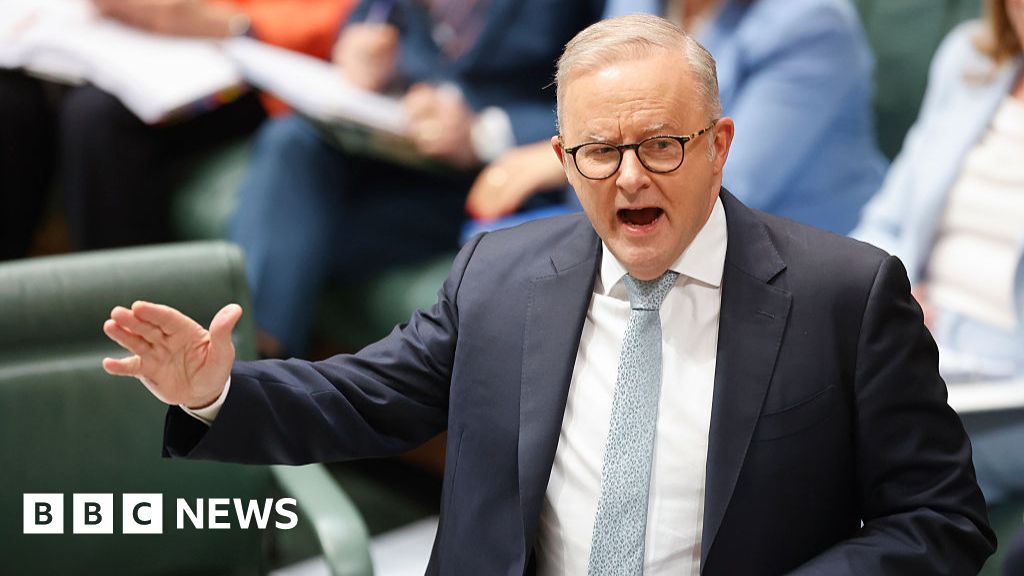
Prime Minister Anthony Albanese has unveiled sweeping measures to combat hate speech following the tragic Bondi terror attack, aiming to shield communities from rising extremism. Triggered by a surge in antisemitic violence, these reforms promise tougher penalties for those inciting hatred and enhanced visa controls, marking a pivotal shift in national security policy.
Key Legislative Changes
The Criminal Code Amendment (Hate Crimes) Bill 2025 expands offences to criminalize advocating or threatening violence against groups based on race, religion, sex, sexual orientation, gender identity, disability, and more. New NSW laws introduce penalties up to two years imprisonment for blocking places of worship or publicly inciting racial hatred, with fines reaching $11,000 for individuals and $55,000 for corporations. These updates strengthen protections amid escalating tensions.
Visa Powers and Broader Impact
Empowering the Home Affairs Minister, the package grants authority to refuse or cancel visas for non-citizens spreading hate and division. This proactive stance, part of a comprehensive anti-antisemitism plan, includes social media campaigns and reporting portals, fostering safer public spaces while balancing human rights concerns.
About the People Mentioned
Anthony Albanese
Anthony Albanese, born on March 2, 1963, in Sydney, Australia, is an Australian politician serving as the 31st Prime Minister of Australia since May 23, 2022. He is a member of the Australian Labor Party and has represented the Sydney seat of Grayndler in Parliament since 1996. Albanese grew up in public housing raised by a single mother on a disability pension, a background that shaped his commitment to social equity and government support for disadvantaged Australians[2][5][8]. Albanese held several significant roles before becoming Prime Minister, including Minister for Infrastructure, Transport, Regional Development, and Local Government (2007–2010), during which he oversaw major nation-building projects such as roads, railways, and the National Broadband Network rollout, contributing to economic growth and improved connectivity across Australia[2][3]. He briefly served as Deputy Prime Minister in 2013. After the Labor Party’s electoral defeat in 2013, he continued in opposition and was elected leader of the Labor Party and Leader of the Opposition in May 2019, running unopposed[1][3]. As Prime Minister, Albanese’s government has pursued progressive policies including environmental protections, aiming for a 43% reduction in emissions by 2030, increased minimum wage, expanded support for workers, subsidized childcare, aged care reforms, and paid leave for domestic violence victims. His administration also donated $100 million in aid to Ukraine during the Russia-Ukraine conflict and restored diplomatic relations with China after a long freeze, marked by a key meeting with Chinese President Xi Jinping[1][4]. Albanese advocates for Indigenous recognition through a constitutional referendum to establish a Voice to Parliament, a move toward reconciliation with Aboriginal and Torres Strait Islander peoples[4]. Albanese is noted for his progressive stance on social issues, including support for abortion rights, drug decriminalization, same-sex marriage, transgender rights, and refugee acceptance. He has also emphasized strengthening Australia’s economic and military ties with Europe and the United States[1][4].