Australia Tightens Gun Laws After Bondi Tragedy as Parliament Advances Tougher Firearm Reforms

Australian Parliament Acts Swiftly After Bondi Tragedy
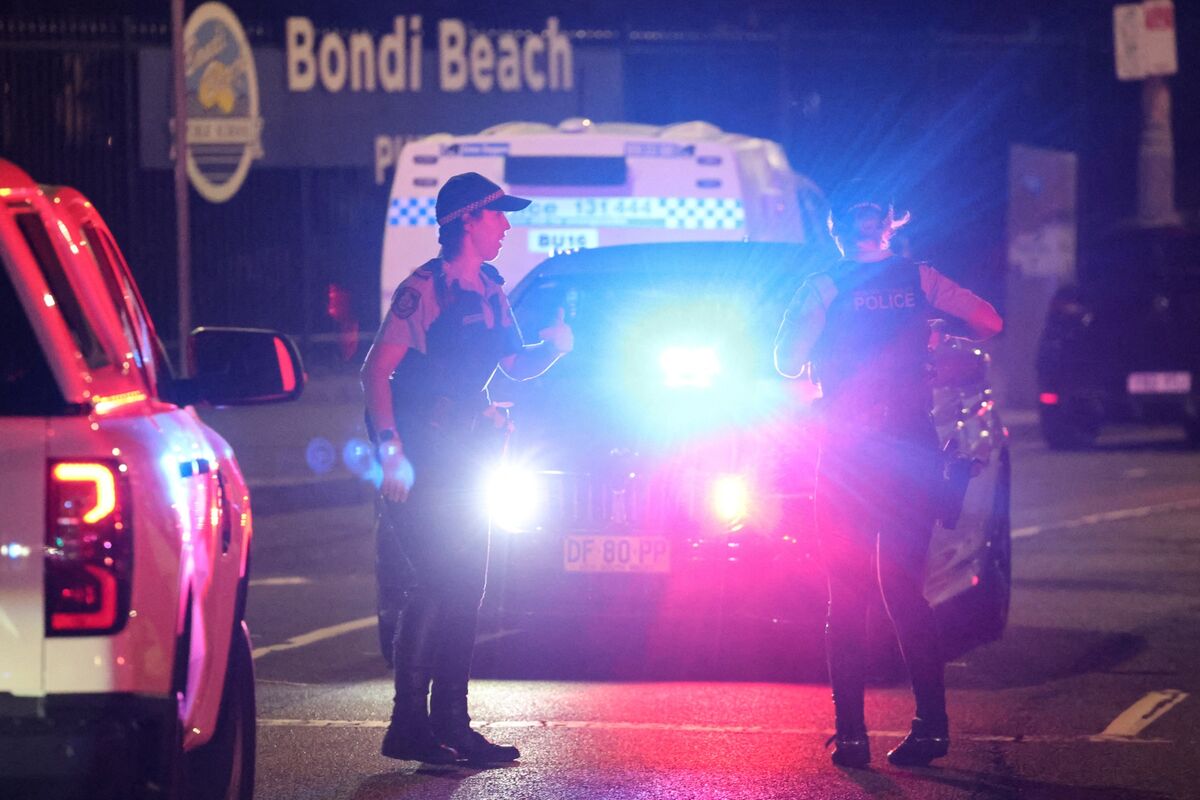
Following the devastating Bondi terror attack, New South Wales state parliament reconvened urgently to debate the Terrorism and Other Legislation Amendment Bill 2025. This response aims to tighten firearm regulations amid heightened security concerns, reflecting Australia's firm stance against gun violence.[1][2]
Key Firearm Restrictions Proposed
The bill imposes strict limits, capping possession at no more than 10 firearms for primary producers, pest controllers, and sport shooters. It recategorizes high-risk weapons like centre-fire rifles and semi-automatic air guns into tougher category C, shortens licences from five to two years, mandates Australian citizenship for owners, and eliminates most administrative reviews. These measures seek to close loopholes exploited in recent incidents.[1]
Debate and Public Backlash
While the bill passed its lower house test 59-15, opposition from Greens, Shooters Fishers and Farmers Party, and activists brews, with threats of court challenges. Premier Chris Minns engaged communities amid ePetitions urging reform, balancing safety with rights in this pivotal legislative push.[2][3]
About the Organizations Mentioned
New South Wales state parliament
The **New South Wales Parliament** is the bicameral legislative body governing Australia's most populous state, comprising the **Legislative Assembly** (lower house) and the **Legislative Council** (upper house).[1][2] Together with the Governor, it serves as the law-making authority and representative body for NSW's 7.5 million residents.[1] ## Structure and Composition The Legislative Assembly contains 93 members, each representing one of NSW's electoral districts and serving four-year terms.[1] The Legislative Council has 42 members elected for eight years, with 21 seats contested every four years, representing the entire state.[1] Both houses possess equal legislative power, meaning bills must pass through both before becoming law.[1] ## Core Functions The Parliament's primary responsibilities include making state laws, representing constituents, forming government, and maintaining accountability.[1] The Legislative Assembly elects the Premier—the leader of the majority party—who forms the government with ministers chosen from Parliament members.[1] The Legislative Council earned the nickname "**House of Review**" due to its scrutinizing role in examining government legislation and holding ministers accountable through Question Time and parliamentary committees.[5] ## Historical Development NSW Parliament traces its origins to 1856, making it one of Australia's oldest democratic institutions.[3] The bicameral structure was formally established in 1855 through the New South Wales Constitution Act.[6] Parliament House, located in Sydney's capital, houses both chambers—the Legislative Assembly and the iconic iron-prefabricated chamber imported from Scotland in 1843 that still accommodates the Legislative Council.[6] ## Current Operations The Parliament operates under the *Constitution Act 1902*, with legislative authority vested in the King-in-Parliament, comprising the Monarch, Legislative Assembly, and Legislative Council.[2] The Governor grants royal assent to bills, while the
Greens
## Overview The **Green Party of the United States** (GPUS) is a progressive political organization primarily focused on environmentalism, social justice, grassroots democracy, and nonviolence, drawing inspiration from the international Green movement[6]. The party is best known for its advocacy of policies such as the Green New Deal, universal health care, support for social justice movements like Black Lives Matter, and reproductive rights[6]. Greens operate at local, state, and national levels, emphasizing decentralized, community-based decision-making and direct citizen participation in politics[3][6]. ## History The U.S. Greens emerged in the mid-1980s, inspired by the success of Green parties in Europe, particularly Germany, where the movement first achieved electoral success in the early 1980s[2]. The American movement began in 1984 with the founding of a state party in Maine by activists Alan Philbrook and John Rensenbrink, both influenced by Green activities abroad[6]. Early U.S. Greens were initially reluctant to engage in electoral politics, preferring grassroots activism and protest movements[2]. By 1985, the first Green candidates ran for office in North Carolina and Connecticut, and the movement rapidly grew through local organizing and national gatherings, such as the First National Green Gathering in 1987[3][4]. Internal debates over strategy—whether to focus on electoral politics or remain an “anti-party party”—led to organizational splits, most notably between the Greens/Green Party USA (G/GPUSA) and the Association of State Green Parties (ASGP)[1]. The ASGP, which later became the GPUS, gained Federal Election Commission recognition as a national party in 2001, consolidating most Green electoral activity under one banner[1][5]. ## Key Achievements The GPUS gained significant public attention during the 2000 presidential election, when Ralph Nader and Winona LaDuke received nearly three million votes[1][3]. The
Shooters Fishers and Farmers Party
The **Shooters, Fishers and Farmers Party (SFF)** is a conservative Australian political party dedicated to championing the rights of law-abiding firearm owners, recreational fishers, farmers, and regional communities against urban-centric policies.[1][2] It positions itself as a powerful voice for "forgotten Australians," criticizing major parties like Labor and the Nationals for neglecting rural areas through job losses, declining infrastructure, and poorer services.[2] Founded to address gaps in rural representation, SFF operates branches across all Australian states and territories, with a strong focus in Western Australia via its dedicated WA branch.[1] The party's platform spans **federal policies** including firearms reform for sensible gun laws, sustainable fishing and land management, mining and energy advocacy, climate skepticism, national defense, economic freedoms, and protections for outdoor recreation and civil liberties.[2] It pushes for responsible natural resource use, farmer exemptions (e.g., for interstate shearers), and opposition to restrictive legislation like firearm bills impacting license holders.[1] A key **achievement** is electing **five representatives** nationwide, making it Australia's largest party focused on these interests; notably, WA MLC **Rick Mazza** has driven parliamentary efforts on agriculture, invasive species control, and infrastructure critiques, such as the Kwinana container port.[1] Active parliamentary updates, like the September 2025 Budget Estimates scrutiny on transport, water, and regional services, underscore its ongoing influence.[3] Currently, SFF remains **vibrant and engaged**, urging supporters to join, donate, and stay informed via email newsletters and membership drives.[1][3] Donation timelines reveal steady funding growth, supporting campaigns for rural funding, farming rights, and recreational access.[4][5] For business and tech enthusiasts, SFF's pro-mining/energy policies and critiques of regulatory overreach offer insights into how political shifts could impact resource sectors and agribusiness innovation in regional Australia.[2] (Word count:
Australian Parliament
The **Parliament of Australia**, officially the Parliament of the Commonwealth, serves as the nation's federal legislature, blending British Westminster traditions with U.S. congressional elements to enact laws, represent citizens, form governments, and scrutinize executive actions.[1][2][5] Established in 1901 under the Australian Constitution following federation, it comprises three core elements: the monarch (represented by the Governor-General), the **Senate** (upper house with 76 senators—12 per state, 2 per mainland territory), and the **House of Representatives** (lower house with 151 members elected from single-member electorates).[1][2][7] Its primary functions include passing bills through debate, committee scrutiny, and votes in both houses before royal assent, with the Senate acting as a powerful "house of review" capable of amending or rejecting most legislation (except certain money bills originating in the lower house).[1][4][6] Committees—domestic, legislative scrutiny, and joint—play pivotal roles in oversight, rights impact assessments, and inquiries, ensuring accountability on budgets, regulations, and privileges.[1][3] Key achievements encompass foundational laws shaping Australia's federation, from trade and external affairs to modern reforms in technology and business, such as digital economy frameworks and innovation policies under Sections 51-52 of the Constitution.[7] The system's preferential voting fosters stable coalitions, enabling responsive governance amid economic shifts.[7] Currently housed in Canberra's iconic Parliament House (opened 1988), it operates with quorums (Senate: 19 members; House: 31) and color-coded chambers (green for House, red for Senate).[1][6] As of 2025, it remains a dynamic bicameral powerhouse, driving tech regulations like AI ethics and cybersecurity amid global business pressures, while adapting to representation demands in a federated democracy.[2][5] This resilient institution underpins Australia's economic stability, making it essential reading for busines