Oil Tanker Seizure by US Forces Shifts Course: Implications for Sanctions and Diplomacy
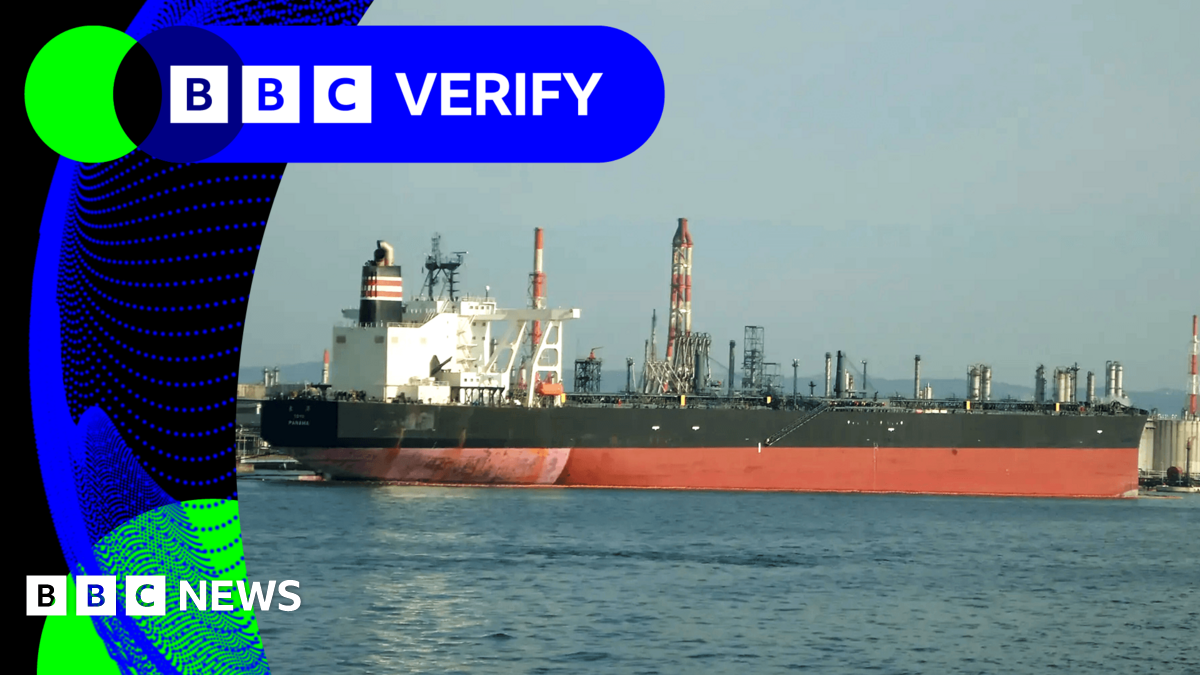
Incident Overview
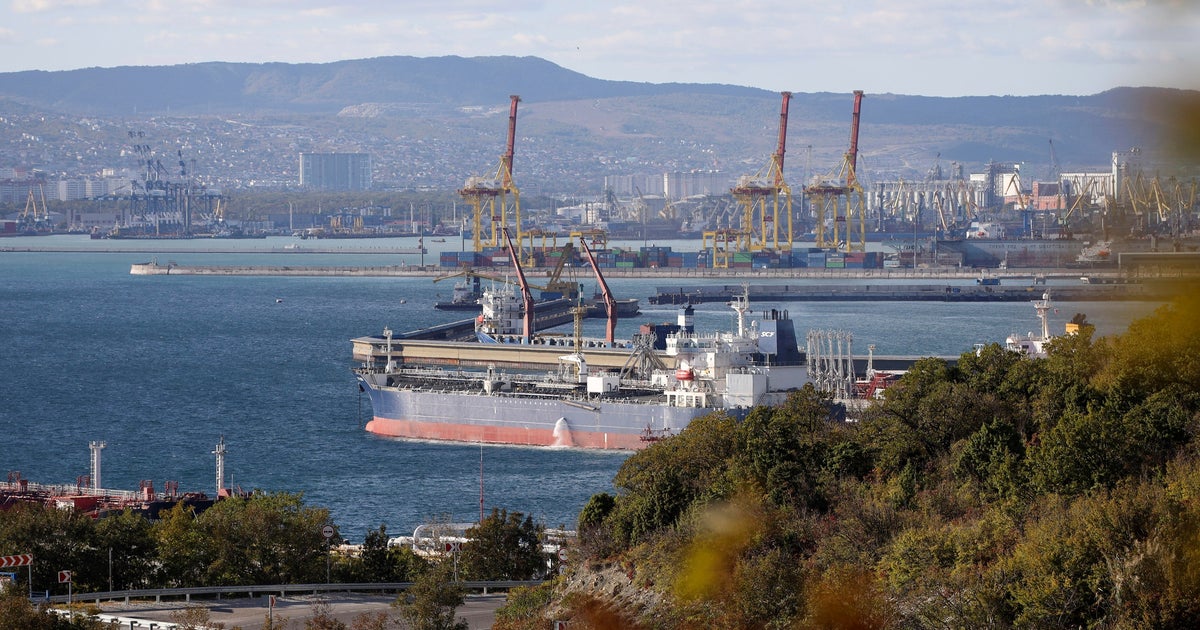
Tracking data indicates a large oil tanker seized by US forces has altered course and is now heading away from Venezuela, a development that raises questions about maritime enforcement and regional diplomacy.
Verification and Context
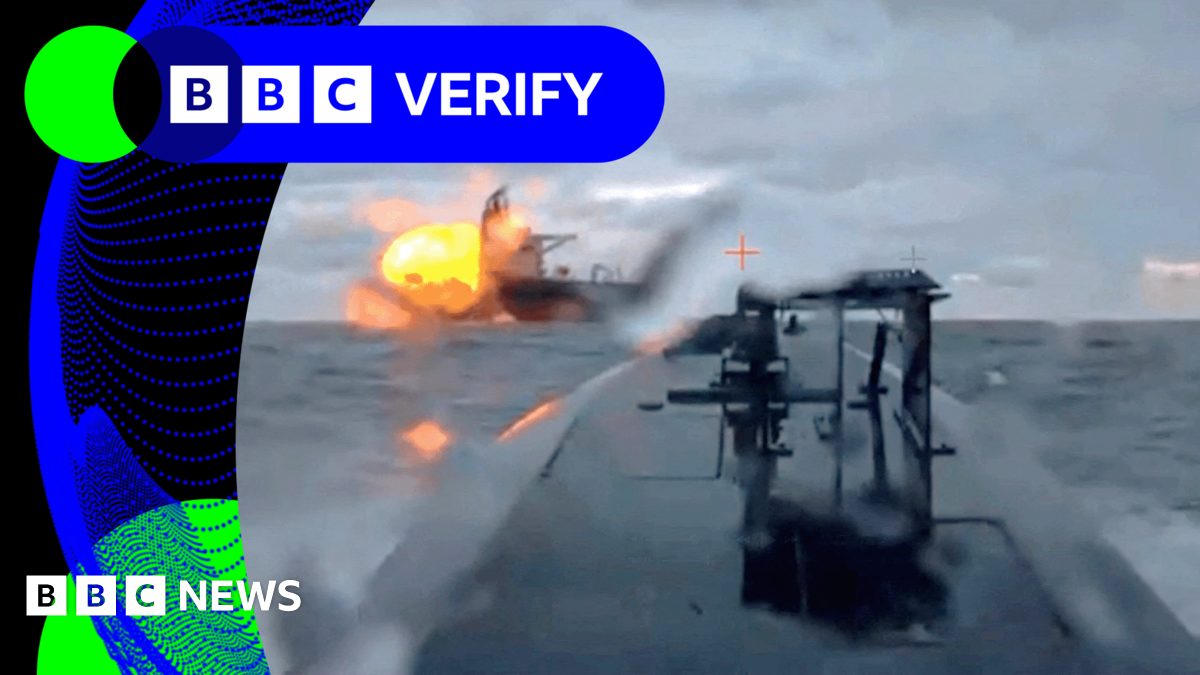
Specialist fact-checking groups have cross-referenced satellite AIS signals, official footage and witness accounts to confirm the vessel's movement, noting gaps where AIS was disabled and where open-source imagery helped reconstruct the route.
Implications
Beyond the immediate legal case, analysts say the seizure and subsequent course change could affect sanctions enforcement, insurance rates for tankers in the Caribbean and diplomatic rhetoric, while underscoring the value of transparent tracking to counter disinformation and to inform public debate.
About the Organizations Mentioned
US forces
**The United States Armed Forces (USAF)**, commonly referred to as U.S. forces, represent the world's most powerful military apparatus, comprising six coequal branches: Army, Navy, Air Force, Marine Corps, Space Force, and Coast Guard.[2][5] Under the Department of Defense (except Coast Guard, under Homeland Security), they execute national security missions, from land warfare and sea dominance to space operations and homeland defense.[2][3] Established roots trace to 1775 with the Continental Army, evolving into a structured force under presidential command as Commander-in-Chief per the U.S. Constitution.[2] The Army, the largest and oldest branch with one million soldiers across active, reserve, and National Guard components, shifted in 2003 to a **brigade-centric modular force**—its biggest reorganization since World War II—enabling rapid, scalable responses via standardized units like armored brigade combat teams (ABCTs).[1][4] Divisions (10,000-15,000 soldiers) and corps (up to 45,000) provide command layers for joint operations.[1] Key achievements include decisive roles in World War II, Cold War deterrence, and post-9/11 counterterrorism, showcasing adaptability in combined-arms warfare, special operations (e.g., USASOC), and logistics via commands like Army Materiel Command.[1][4] The 2019 creation of the **Space Force** marked a tech-forward milestone, focusing on satellite defense and cyber-space integration amid rising great-power competition.[2][5] Currently, U.S. forces maintain a **brigade-centric structure** with operating forces for combat and generating forces for training/equipping, emphasizing readiness for full-spectrum threats.[1][3] Annual operation costs exceed hundreds of billions, supporting specialized units like missile defense and special ops.[3] Notable aspects: Tech innovations in AI-driven logistics, hypersonics, and cyber warfare position the