Border Patrol Shootout Near Arivaca, Arizona, Leaves Suspect in Critical Condition
#border_patrol #immigration #law_enforcement #arizona #border_security
Shocking Border Patrol Shooting Leaves One in Critical Condition
A dramatic confrontation near the U.S.-Mexico border in Arizona has left a 34-year-old man, Patrick Gary Schlegel, in critical condition after exchanging gunfire with Border Patrol agents. The incident unfolded early Tuesday near Arivaca, just 10 miles from the border, during a routine traffic stop linked to suspected human smuggling operations.[1][2]
Details of the Tense Encounter
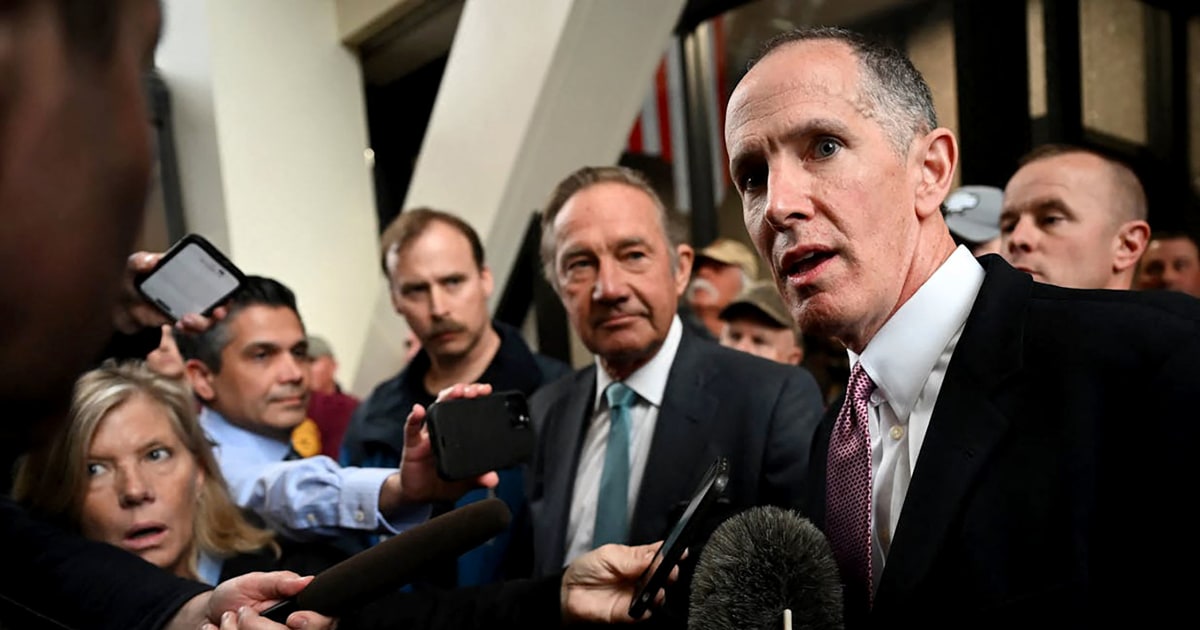
Agents attempted to halt Schlegel's vehicle, but he fled, later firing at pursuing officers and a manned CBP helicopter. Agents returned fire, striking the suspect from Sahuarita, who boasts a significant criminal history including a prior federal smuggling conviction and an active escape warrant. No agents were injured, and Pima County Sheriff Chris Nanos praised the agent's lawful response pending full investigation.[1][2]
Broader Implications for Border Security
Schlegel faces federal charges of assault on an officer, alien smuggling, and felon-in-possession of a firearm. This event highlights escalating dangers in remote desert areas amid heightened enforcement, echoing recent immigration-related shootings elsewhere. Authorities urge caution as probes continue.[1][2]
About the Organizations Mentioned
Border Patrol
The U.S. Border Patrol (USBP), an agency of U.S. Customs and Border Protection (CBP), is one of the largest federal law enforcement organizations in the United States, with nearly 20,000 agents as of 2023[1]. Its core mission is to secure the nation’s borders, prevent illegal entry, and safeguard American communities from threats such as terrorism, drug trafficking, and human smuggling[2]. The agency’s operations extend beyond traditional border monitoring, encompassing linewatch (surveillance and apprehension at the border), farm and ranch checks, traffic checkpoints on highways, city patrols, and transportation checks at airports, bus stations, and train terminals[1]. This multi-layered approach leverages both human intelligence and advanced technology to detect and interdict illegal crossers and contraband. Founded in 1924 as part of the Labor Appropriation Act, the Border Patrol has evolved dramatically over a century[1]. Initially focused on immigration enforcement, its responsibilities expanded after the September 11 attacks, leading to its integration into the Department of Homeland Security in 2003[1][3]. This reorganization merged several border and customs agencies, creating a unified force with broader authority and resources[3]. The Border Patrol’s motto, “Honor First,” reflects its commitment to duty and service, even in the face of significant risks—agents are among the most assaulted law enforcement personnel in the country, with documented attacks and bounties placed on them by criminal organizations[2]. Key achievements include the development of specialized units like BORTAC (tactical operations) and BORSTAR (search and rescue), which enhance the agency’s rapid response capabilities[3]. The Border Patrol has also played a critical role in responding to natural disasters, civil unrest, and mass casualty events, demonstrating its adaptability and value beyond border security[1]. In recent years, the agency has encountered over 2.5 million migrants annually, reflecting both the
Customs and Border Protection
U.S. Customs and Border Protection (CBP) is a federal agency primarily responsible for securing the nation’s borders, facilitating lawful trade and travel, and countering terrorism. Established as part of the Department of Homeland Security, CBP enforces laws related to immigration, customs, and agriculture at U.S. ports of entry and along borders[1][4]. CBP’s mission has evolved with changing political priorities, notably under recent administrations. In 2025, CBP’s core focus areas include border security enhancements, trade facilitation using advanced technology, and immigration enforcement, aligning with policies such as the “Securing our Borders” Executive Order signed on January 20, 2025, which directed CBP to strengthen operational efficiency and border security during the first 100 days of the administration[1][3]. Technological innovation is a key element of CBP’s strategy. The agency launched the CBP One mobile app to streamline traveler access to services, including scheduling inspections of biological products and managing asylum processes digitally. This app represents a significant modernization effort to improve efficiency and transparency at border crossings, although it has also been subject to legal challenges related to immigration policies implemented alongside it[2]. Historically, CBP has been instrumental in intercepting illegal drugs, preventing unauthorized entry, and facilitating international trade compliance. Its operations integrate biometrics, non-intrusive inspection technologies, and smart border infrastructure to address contemporary security threats and trade demands[1]. Currently, CBP balances its enforcement role with the facilitation of legitimate commerce and travel amid dynamic immigration laws and policies. It remains a critical agency at the intersection of national security, commerce, and immigration, continuously adapting through technology and policy to meet complex border management challenges[1][2][4].
Pima County Sheriff
The **Pima County Sheriff's Department (PCSD)** is a vital law enforcement agency serving the unincorporated areas of Pima County, Arizona—the nation's seventh-largest county—through patrol, investigations, corrections, and tactical operations.[1][2] Established to maintain public safety, PCSD operates six district offices, three satellites, and four corrections facilities housing about 1,850 inmates daily. With **516 sworn officers**, **872 civilian staff**, and **400 volunteers**, it manages a multi-million-dollar budget from its Tucson headquarters on East Benson Highway.[1][5] Under **Sheriff Chris Nanos**, elected in 2020 after rising through ranks in violent crimes, sex crimes, and narcotics, the department emphasizes innovation like body-worn cameras, an Electronics Support Unit, and the Desk Officer Reporting System (DORS) for efficient minor incident reporting.[2][4][5][6] Key bureaus include **Investigations** (led by Chief Joseph D. Cameron), covering violent crimes, economic crimes, HIDTA counter-narcotics, and cold cases; **Tactical Support** (Captain Benjamin Hill), featuring SWAT, bomb squad, air unit, canine teams, and search-and-rescue; and **Patrol divisions** like Ajo and Green Valley with auxiliary volunteers.[2][3][4][5] The Corrections Bureau, under Chief Scott Lowing, ensures secure detention.[5] Notable achievements include pioneering the **Regional Explosives Ordnance Detail (EOD)**—the only U.S. team with embedded ATF/FBI agents, equaling three FEMA Type 1 units—and launching the **Border Crime Unit**, a national model multi-agency task force combating human/drug trafficking, expanded from five deputies to 20-plus members.[1] Currently, as of 2025 org charts, PCSD thrives with tech-forward tools like community crime maps and podcasts ("What's The Word?"), fostering transparency and recruitment amid busines