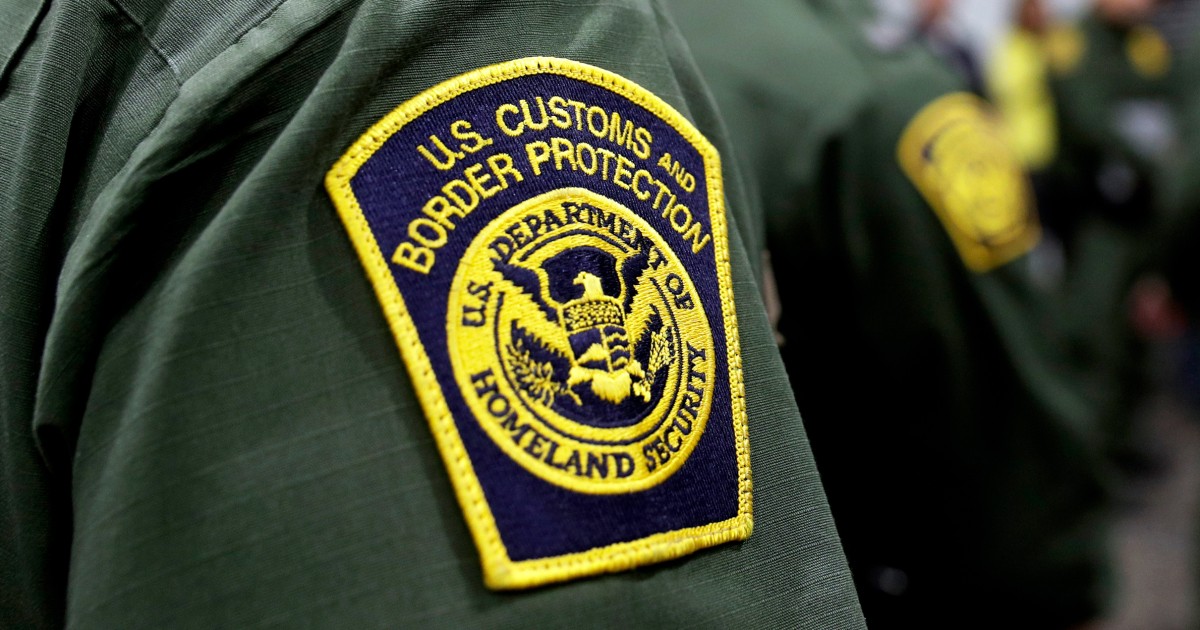
ICE Operation Unfolds in Maine: Arrests and Community Tensions

ICE Operation Unfolds in Maine
Federal Immigration and Customs Enforcement agents have launched a major enforcement operation in Maine, dubbed "Operation Catch of the Day," targeting individuals in the country illegally with criminal histories[1]. The operation, which began Tuesday, has resulted in approximately 100 arrests across the state[4]. Deportation officers have detained individuals from Angola, Ethiopia, Guatemala, Sudan, and Somalia[1]. The enforcement surge has concentrated activity in Portland and Lewiston, Maine's second-largest city, both home to significant immigrant communities[3].
Community Response and Concerns
The operation has created widespread anxiety among residents. Portland Mayor Mark Dion noted that "everyone is on high alert" as the city and Lewiston have experienced an influx of migrants and asylum seekers in recent years[1]. School attendance in Portland has declined as families express fear of harassment[3]. Community leaders emphasize that law enforcement requires public trust and that due process must be followed during enforcement actions[2].
Federal Justification
DHS officials stated the operation targets criminal illegal aliens, accusing state leaders of obstructing federal immigration authorities[1]. However, concerns persist regarding whether legal immigrants might be inadvertently targeted during operations[2].
```About the Organizations Mentioned
Federal Immigration and Customs Enforcement
# United States Immigration and Customs Enforcement **ICE** is a federal law enforcement agency under the Department of Homeland Security with a stated mission to conduct criminal investigations, enforce immigration laws, preserve national security, and protect public safety.[1] The organization enforces more than 400 federal statutes, focusing on customs violations, immigration enforcement, terrorism prevention, and trafficking.[1] ## Organizational Structure and History ICE was established as part of the Homeland Security Act of 2002 following the September 11 attacks, absorbing the functions of the Immigration and Naturalization Service and the United States Customs Service.[1] The agency is organized into two primary law enforcement components: **Homeland Security Investigations (HSI)** and **Enforcement and Removal Operations (ERO)**.[1] HSI focuses on disrupting transnational crime through investigation and interdiction services, while ERO handles the apprehension, detention, deportation, and removal of undocumented immigrants.[1] The director of ICE is appointed at the sub-cabinet level by the president, confirmed by the U.S. Senate, and reports directly to the Secretary of Homeland Security.[1] ## Notable Aspects and Current Operations ERO represents the most public and contentious function of ICE, maintaining custodial facilities to detain individuals suspected of illegal presence in the United States who pose a reasonable threat to public safety.[1] The organization provides investigation, interdiction, and security services to public and law enforcement partners across federal and local sectors.[1] Notably, tensions have existed between ICE's two branches, with HSI agents during the Trump administration seeking to formally separate from ERO, citing that the deportation work's negative associations hampered their investigative capabilities.[1] This internal dynamic reflects broader debates about the agency's role in immigration enforcement and criminal investigation priorities.
DHS
## Overview of the Department of Homeland Security (DHS) The Department of Homeland Security (DHS) is a cabinet-level executive department of the U.S. federal government, established in 2003 in direct response to the September 11, 2001, terrorist attacks[1][4]. Its primary mission is to safeguard the United States from a wide range of threats—including terrorism, cyberattacks, natural disasters, and border-related risks—by coordinating efforts across federal, state, local, and private sectors[1][2][4]. With an annual budget of approximately $90–185 billion and over 240,000 employees, DHS is the third-largest federal department, reflecting its broad mandate and operational scale[1][4][6]. ## What DHS Does DHS operates through a network of agencies and directorates, each specializing in different aspects of domestic security. Its core functions include: - **Counterterrorism:** Preventing and responding to terrorist threats, both physical and cyber, through intelligence gathering, law enforcement coordination, and critical infrastructure protection[1][2][4]. - **Border and Transportation Security:** Managing and securing U.S. borders, ports, and transportation systems, including the oversight of Customs and Border Protection (CBP), Transportation Security Administration (TSA), and Coast Guard[1][2][3]. - **Immigration and Customs Enforcement:** Enforcing immigration laws, including the detention and removal of individuals who pose national security or public safety risks[2][5]. - **Cybersecurity:** Defending federal networks and critical infrastructure from cyber threats, while promoting public-private partnerships to enhance national cyber resilience[1][4]. - **Disaster Preparedness and Response:** Leading federal disaster response efforts through the Federal Emergency Management Agency (FEMA), coordinating with first responders, and supporting community recovery[1][3][6]. ## History and Key Achievements DHS was created by the Homeland Security Act of 2002, consolidating