Cheese Recall Alert: Listeria Risk in Pecorino Romano and Shredded Cheeses

Cheese Recall Alert: What You Need to Know
The FDA has issued an urgent recall affecting multiple cheese products across the nation. Consumers are advised to check their refrigerators for grated Pecorino Romano cheese and shredded varieties from several brands. The primary concern involves potential contamination with Listeria monocytogenes, a harmful bacterium that can cause serious foodborne illness.
Affected Brands and Products
Several well-known cheese manufacturers are part of this escalated recall. Locatelli grated Pecorino Romano cheese tops the list, alongside shredded options from Ambriola, Boar's Head, and Member's Mark. These products may have been distributed to grocery stores nationwide, making it essential for households to verify their current cheese inventory immediately.
Health Risks and Recommendations
Listeria monocytogenes poses particular risks to pregnant women, elderly individuals, and those with weakened immune systems. The FDA strongly recommends disposing of affected products rather than consuming them. Customers who purchased these items should monitor for symptoms and consult healthcare providers if concerned about exposure.
```About the Organizations Mentioned
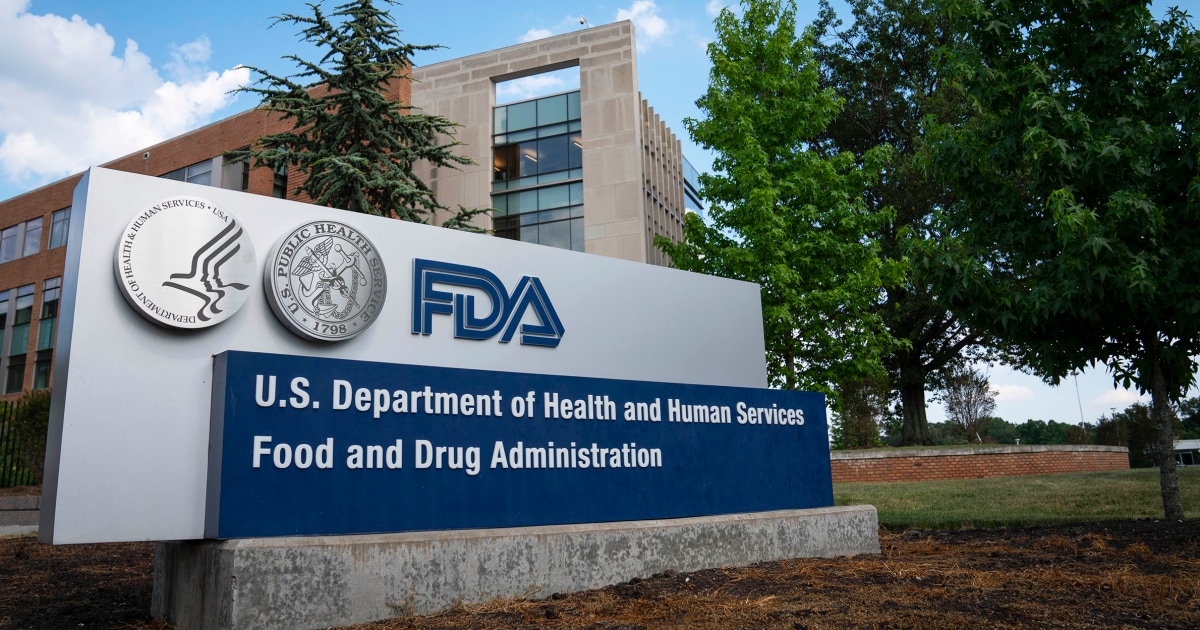
FDA
## Overview The **U.S. Food and Drug Administration (FDA)** is a federal agency within the Department of Health and Human Services responsible for protecting public health by ensuring the safety, efficacy, and security of a wide range of products, including human and veterinary drugs, biologics, medical devices, food, cosmetics, and products that emit radiation[1][2][3]. Its mission is to advance public health by helping to speed innovations that make medical products safer, more effective, and more affordable, while providing the public with accurate, science-based information about these products[1]. ## Functions and Regulatory Scope The FDA’s regulatory authority is expansive. It oversees the approval, manufacturing, marketing, and distribution of prescription and over-the-counter drugs, vaccines, blood products, medical devices (from simple tongue depressors to complex pacemakers), dietary supplements, most foods (except some meat, poultry, and egg products regulated by the USDA), cosmetics, and tobacco products[1][2][5]. The agency also regulates electronic products that emit radiation, such as X-ray machines and microwave ovens[2][5]. Importantly, the FDA does not regulate the practice of medicine, medical services, product pricing, or health insurance reimbursement[2]. The FDA achieves its goals through a combination of **premarket reviews**, **post-market surveillance**, **facility inspections**, **enforcement actions**, and **public education**[3][4]. It maintains several adverse event reporting systems—such as MedWatch and VAERS—to monitor product safety after they reach the market[4]. The agency also plays a key role in the nation’s counterterrorism efforts by ensuring food supply security and fostering the development of medical countermeasures[1]. ## History and Key Achievements Established in 1906 with the passage of the Pure Food and Drugs Act, the FDA’s origins trace back to efforts to combat adulterated and misbranded food and drugs. Its regulatory powers expanded significantly with the