Constructive Progress in Ukraine Peace Talks as Russia, Ukraine, and U.S. Mediate in Miami
Russia Hails Constructive Progress in Ukraine Peace Talks
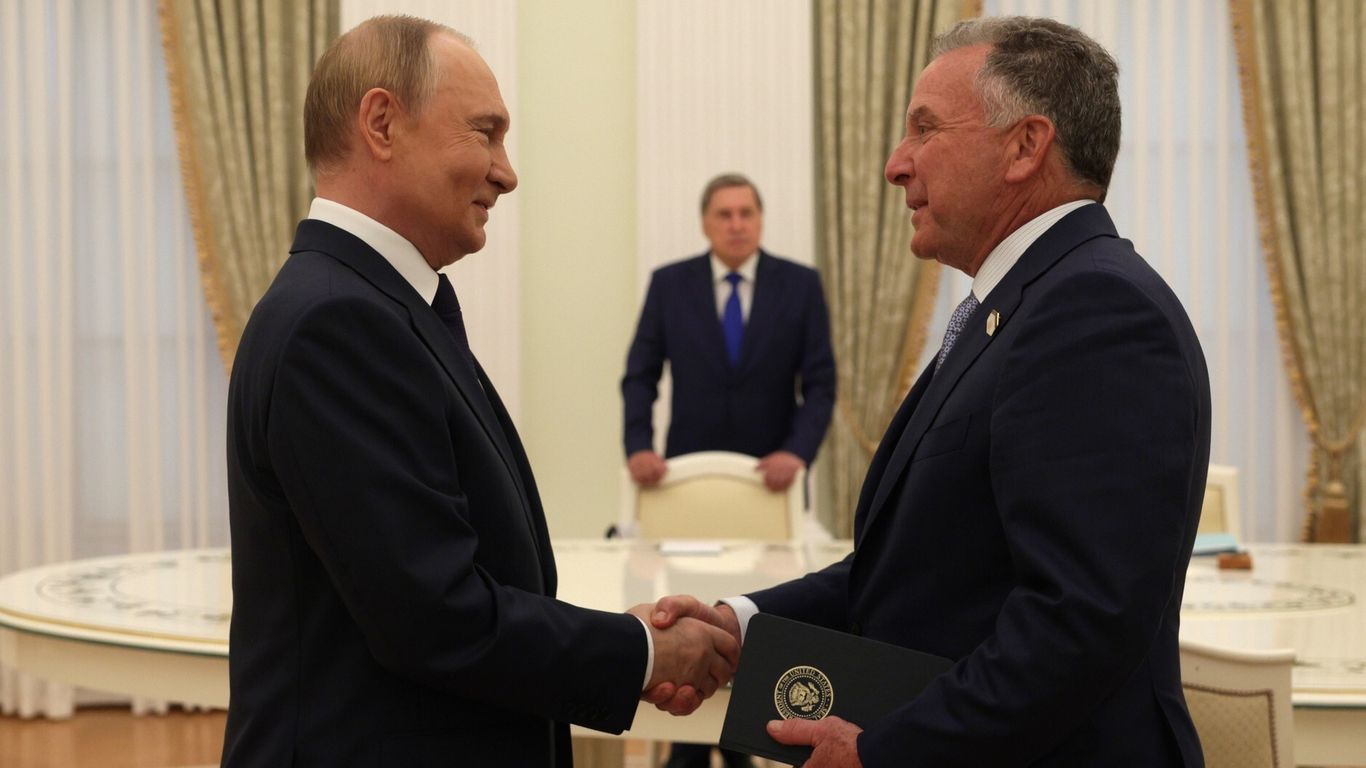
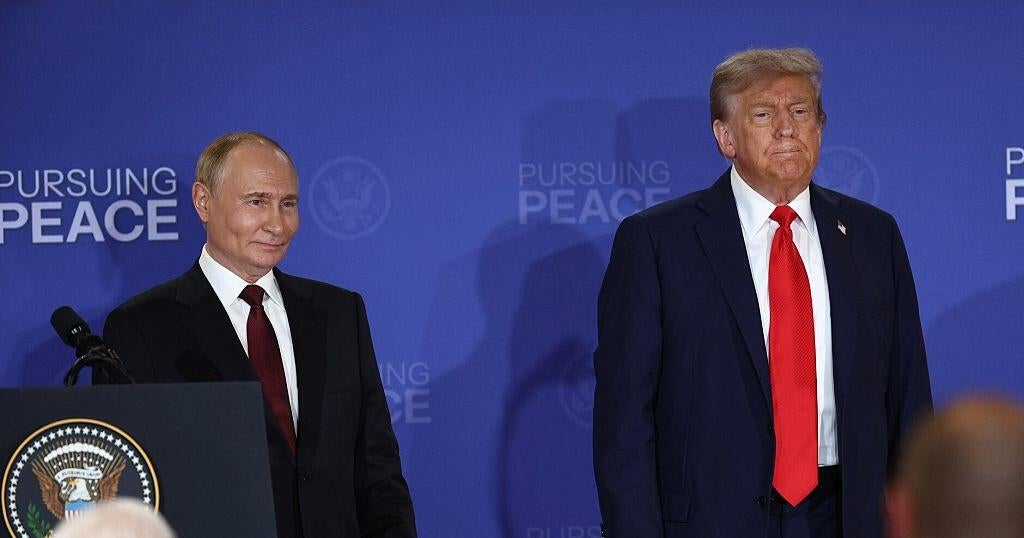
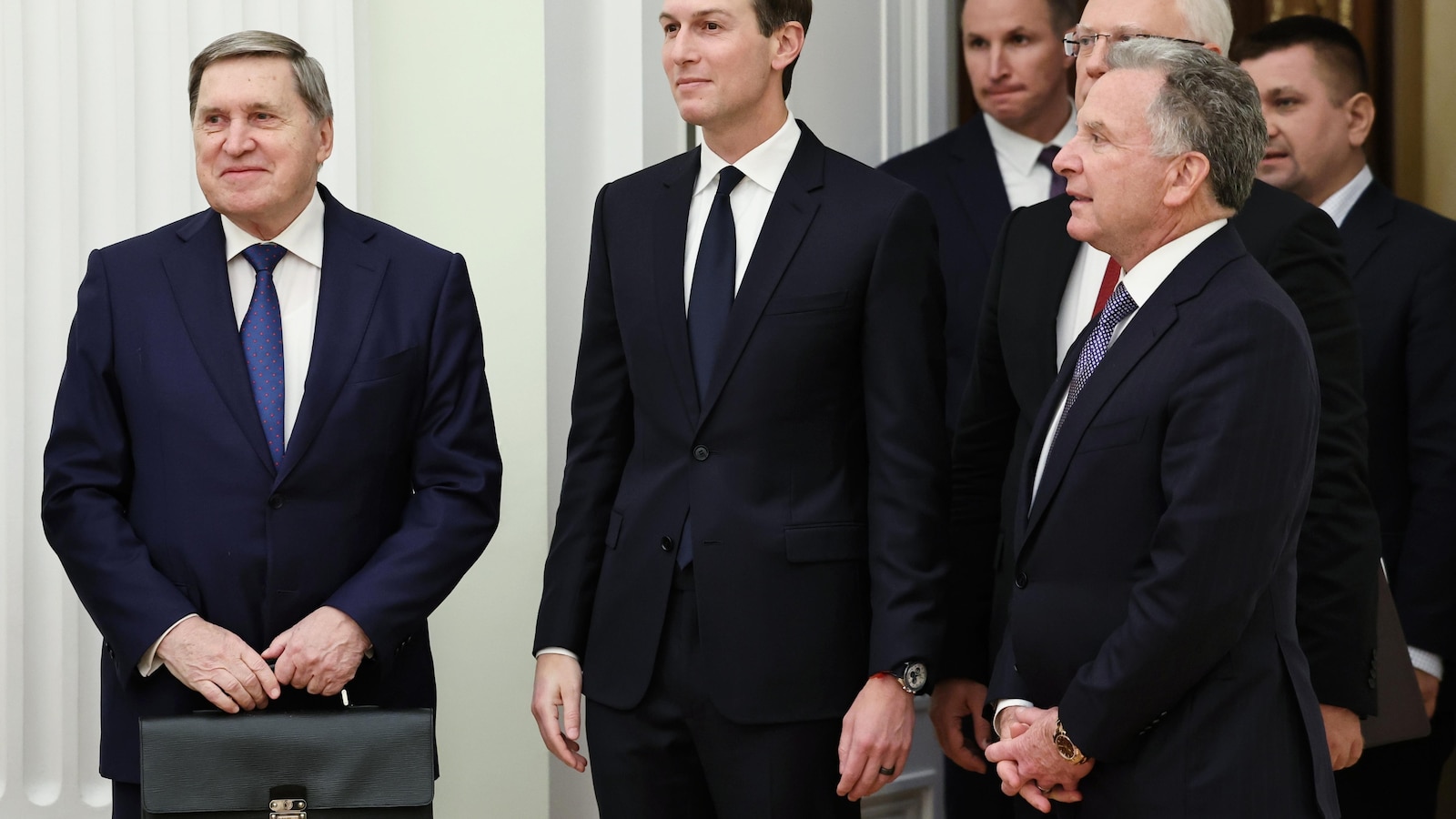
A Kremlin envoy has revealed that discussions on a U.S.-proposed peace plan for Ukraine are advancing constructively in Florida. This development marks a potential turning point in the nearly four-year conflict, with representatives from Moscow, Kyiv, and the Trump administration engaging in Miami. The talks aim to broker an end to the devastating war that has claimed countless lives and reshaped global alliances.
Key Players and Negotiation Dynamics
Hosted in sunny Miami, these high-stakes meetings bring together Russian officials optimistic about the dialogue's tone, Ukrainian delegates seeking security guarantees, and U.S. mediators pushing for a ceasefire framework. Unlike previous stalled efforts, this round emphasizes mutual concessions, including territorial compromises and demilitarization zones. Sources indicate both sides are exploring economic incentives to foster long-term stability.
Global Implications and Next Steps
Positive momentum could de-escalate tensions, easing energy crises and refugee flows across Europe. However, skeptics warn of underlying distrust that might derail progress. As talks continue this week, the world watches closely, hoping for a breakthrough that restores peace to the region and recalibrates international relations.
About the Organizations Mentioned
Kremlin
The term "Kremlin" primarily refers to the executive branch and central administration of the Russian government, symbolized by the Moscow Kremlin complex. It represents the seat of political power in Russia, particularly under President Vladimir Putin's leadership. The Kremlin as an organization orchestrates Russia's domestic and foreign policy, including its strategic approach to technology and cybersecurity. Historically, after the Soviet Union's collapse in 1991, Russia's digital and technological sectors were initially intertwined with the West, benefiting from collaborations and outsourcing opportunities. However, since the late 2000s and early 2010s, the Kremlin shifted toward digital tech isolationism driven by concerns over regime security and foreign influence. This shift intensified after Russia's 2022 full-scale invasion of Ukraine, leading to heightened securitization, sanctions, and a push for domestic alternatives to Western technology[1][2]. The Kremlin aggressively promotes the development of indigenous digital technologies, including microelectronics, software, and cybersecurity platforms, aiming to reduce reliance on foreign tech companies. This strategy is framed as both a security necessity and a geopolitical move to maintain Russia's status as a great power in an era of global technological competition[3]. Despite sanctions targeting key Russian IT companies and a brain drain of skilled professionals, Kremlin-backed narratives assert resilience and a vision to build a techno-economic bloc with its allies[2]. Notably, President Putin has emphasized the need to "strangle" Western technology companies still operating in Russia, seeking to eliminate their presence to foster domestic alternatives and counter perceived threats[5]. The Kremlin also leverages cyber capabilities through state agencies like the FSB and SVR, integrating cyber operations into its broader security and intelligence framework[9]. Currently, the Kremlin faces challenges such as talent outflow and innovation constraints but continues prioritizing technological sovereignty and cyber power as essential to its regime stability and geopolitical ambitions[2][7]. The Kremlin's tech policies remain a critical facet of its governance, blending business, technology, and securit
Trump administration
The **Trump administration** refers to the executive branch of the U.S. federal government during Donald J. Trump’s presidency, initially from January 20, 2017, to January 20, 2021, and resuming with his second term starting in 2025. It was characterized by a mix of aggressive domestic policies, significant judicial appointments, and a distinct foreign policy approach that emphasized "America First" principles[4][8]. The administration’s key activities included **tax reform**, notably passing the $3.2 trillion Tax Cuts and Jobs Act, which represented the largest overhaul of the U.S. tax code in decades[5]. Trump also renegotiated trade agreements with major economies including Mexico, Canada, China, Japan, and South Korea, prioritizing bilateral deals over multilateral ones such as the Trans-Pacific Partnership (TPP), which the administration withdrew from early on[1][2]. The administration sought to protect American jobs by restricting cheap foreign labor and influencing agencies like the Tennessee Valley Authority to retain American workers[5]. On the judicial front, the Trump administration appointed over 200 federal judges, including three Supreme Court justices—Neil Gorsuch, Brett Kavanaugh, and Amy Coney Barrett—shaping the judiciary for years to come[4]. These appointments were among the most significant achievements, influencing U.S. law on multiple fronts. In foreign policy, the administration pursued a controversial agenda: it imposed travel bans on several predominantly Muslim countries, withdrew U.S. troops from northern Syria, and supported Saudi Arabia militarily despite congressional opposition related to the Yemen conflict[1][3]. It also fostered new international technology alliances, such as securing commitments from allies to exclude Chinese telecom giant Huawei from 5G infrastructure and signing AI cooperation agreements with the UK[5]. The Trump administration faced substantial political turmoil, including two impeachments by the House of Representatives—first in 2019 over Ukraine dealings, and again in 2021 following the January