Brain-Heart-Immune Axis Revealed: Breakthrough Links Brain to Heart Attack Injury

Scientists Illuminate Brain's Crucial Role in Heart Attacks
Recent breakthroughs from UC San Diego researchers reveal a groundbreaking feedback loop linking the heart, brain, and immune system during heart attacks, reshaping our understanding of this leading cause of death.[1][2] Published in *Cell*, the 2026 study uncovers how sensory neurons in the vagus nerve detect cardiac injury, relaying signals to the brain that trigger an immune response. This "triple node" interaction, involving neurobiologists, cardiologists, and immunologists, shows the brain interpreting heart damage as systemic injury, potentially worsening outcomes.[1][2]
Unveiling the Heart-Brain-Immune Pathway
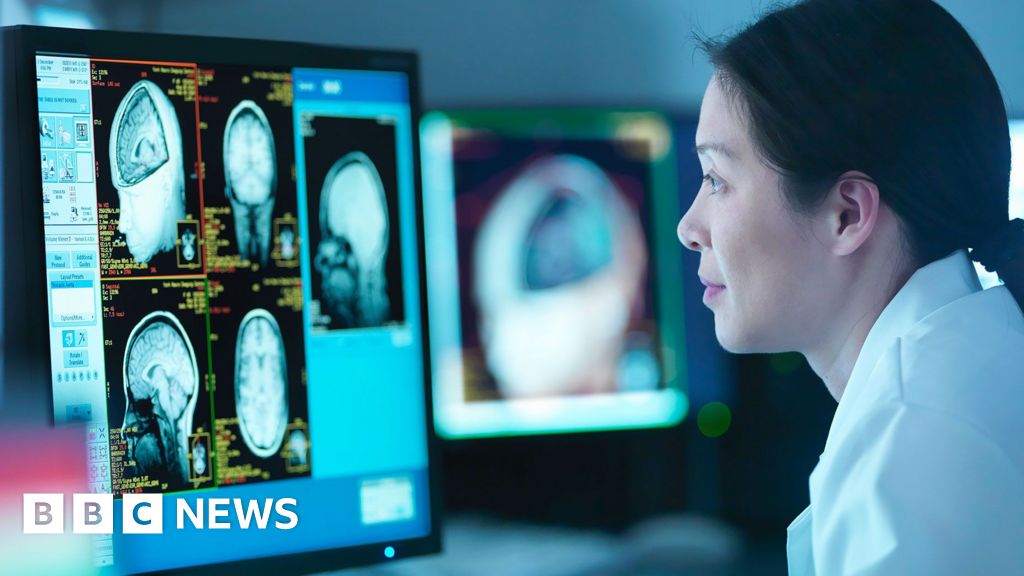
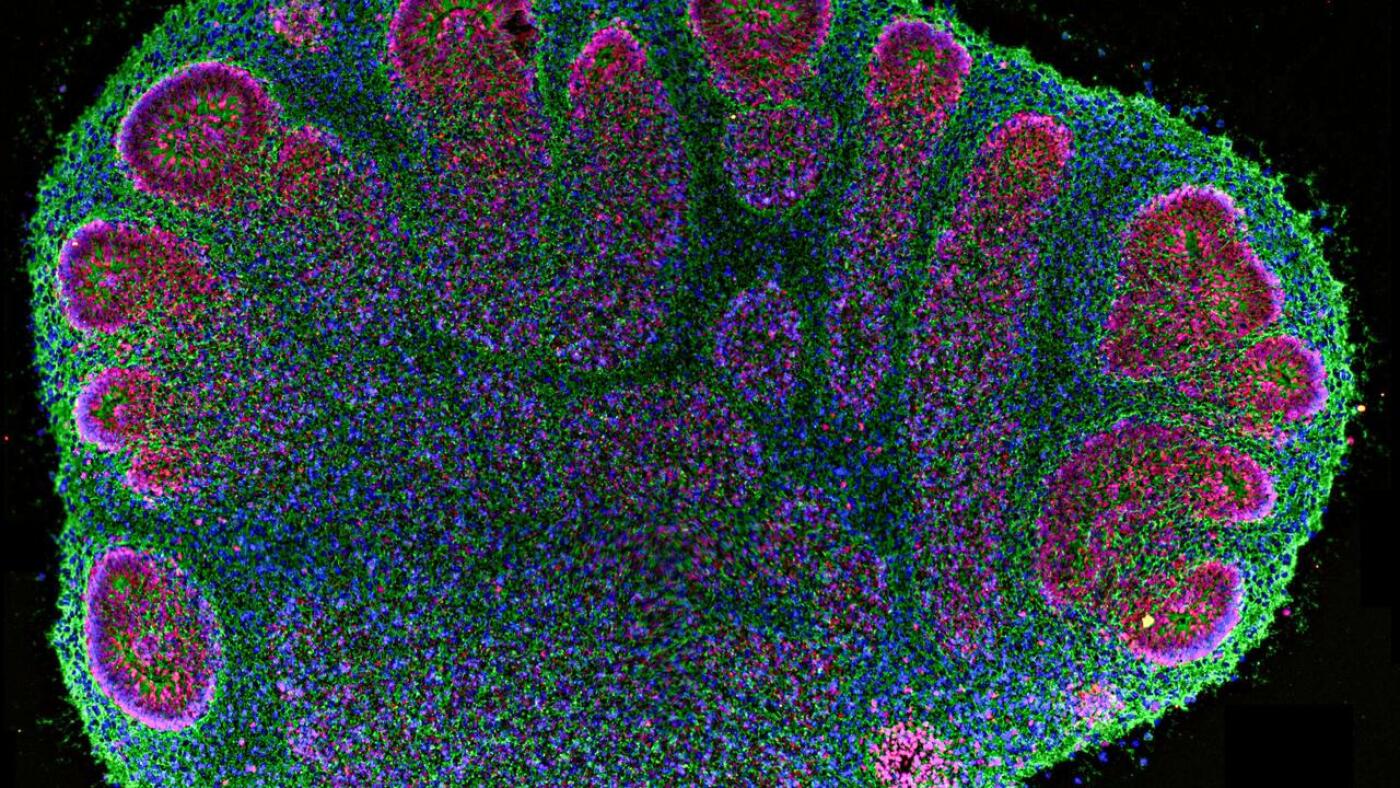
Using advanced techniques like echocardiography and light sheet microscopy, the team mapped these pathways in mice. Sensory neurons convert cardiovascular distress into brain signals, much like eyes process light. The immune activation lacks a pathogen target, paradoxically amplifying damage. Crucially, blocking these signals between heart, brain, and immunity significantly reduced post-attack harm, flipping traditional heart-focused research on its head.[1][2]
Promising Horizons for Heart Attack Therapies
This discovery opens doors to novel treatments targeting neural-immune communication, beyond conventional cardiac repairs like bypass surgery. By addressing the full systemic cascade, future therapies could minimize injury spread, offering hope for better recovery and prevention strategies in cardiovascular care.[1][2]
About the Organizations Mentioned
UC San Diego
**UC San Diego (UCSD)**, founded in 1959 as a public research university in La Jolla, California, spans 1,200 acres overlooking the Pacific Ocean and drives innovation through education, groundbreaking research, and health services.[1][6] Its mission focuses on transforming society by generating knowledge, delivering top-tier healthcare via UC San Diego Health, and fostering changemakers equipped for global challenges.[1] From humble beginnings, UCSD has surged to elite status: ranked among the **top 20 research universities worldwide**, No. 9 for highly cited researchers, and No. 1 public university for research by Washington Monthly.[1][3] It boasts **16 Nobel laureates** among its faculty, plus Fields Medal, Pulitzer, Tony, and Oscar winners, with 169 National Academy memberships.[1][5] In FY2023-24, it secured **$1.73 billion in research funding**, powering advances in STEM, cognitive science, biology, and computer science—fields where undergrads gain hands-on access to cutting-edge labs.[1][2][4] Currently, UCSD enrolls **45,273 students** (fall 2024), with 33,792 undergraduates, drawing from a selective pool (25-28.4% acceptance rate).[1][4][5] Its unique eight-college system creates intimate communities within a large campus, blending rigorous quarter-system academics with ocean-side perks and San Diego's tech ecosystem for internships.[2][4] Affiliated health systems rank nationally for specialties, while alumni (256,000 strong) fuel economic impact worldwide.[1] For business and tech enthusiasts, UCSD excels in interdisciplinary breakthroughs—like Antarctic microbe research with medical potential—and ranks No. 8 globally for innovation.[1][3] Students rave about passionate faculty mentoring and resources that propel careers in high-demand sectors, positioning UCSD as an elite public powerhouse blending discovery with real-world disruption.[2][
Cell
**Cell** refers to a modern **cellular organizational structure**, a decentralized management model that mimics biological systems by dividing companies into autonomous "cells" or nodes of 5-15 members who collaborate fluidly without rigid hierarchies.[1][2] This approach replaces traditional top-down command with peer-like teams where leaders act as facilitators, not bosses, enabling rapid decision-making and innovation in complex environments.[1][2] Cells communicate across a network, sharing goals, tasks, and troubleshooting, contrasting sharply with bureaucratic structures in firms like T-Mobile, which retain layered executives and C-suites post-2020 Sprint merger.[3] ### History The concept gained traction in the late 1990s through thinkers like those at the Beyond Budgeting Roundtable (2003-2007), evolving into formalized "Cell Structure Design" by experts Niels Pflaeging and Silke Hermann in 2019.[5] Early proponents drew from telecom successes, such as Australia's Technical Computing and Graphics (TCG), which partnered with giants like Hitachi and Telstra via cellular agility.[2] By 2018, visionaries like the HEAD Foundation outlined "cellular concepts" for millennial organizations, emphasizing equal participation—even elevating roles like draftspersons.[1] ### What It Does and Key Achievements Cellular structures foster nimble, productive firms by rewarding contributions over titles, holding regular cell meetings for progress reviews, and requiring multi-member decisions to avoid silos.[1][2] Zappos CEO Tony Hsieh championed it in 2017, likening cells to a vibrant city for sustained innovation as companies scale beyond 20-30 people.[2] Achievements include TCG's telecom breakthroughs and broad adoption across industries, proving superior to centralized models amid rising complexity.[5] ### Current Status and Notable Aspects As of 2026, it's promoted via certifications, handbooks, and consul





:max_bytes(150000):strip_icc():focal(749x0:751x2)/kim-kardashian-brian-aneurysm-kanye-102325-f69764ac5ef14097a68bc4d82d7ca50a.jpg)