EU Backs Somalia After Israel Recognizes Somaliland: Regional Reactions and Diplomatic Implications
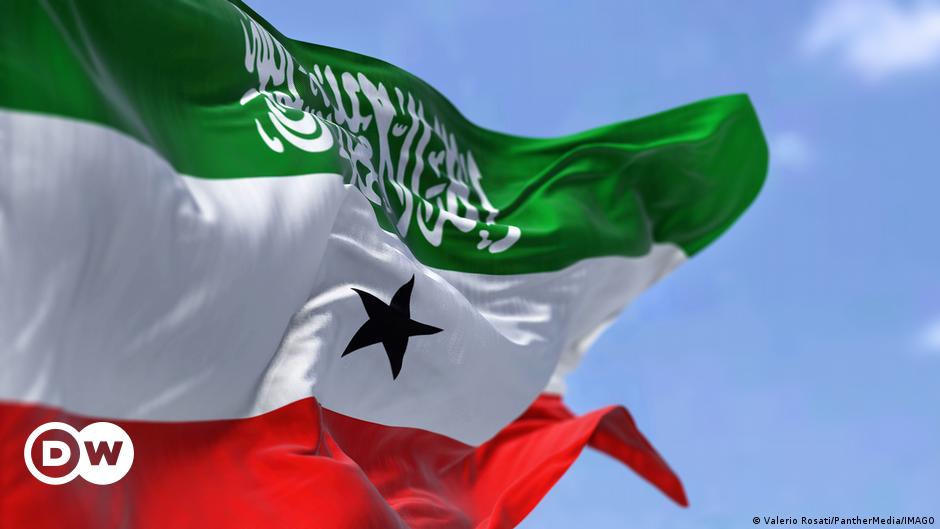
EU backs Somalia after Israel recognizes Somaliland
The European Union reaffirmed support for Somalia’s territorial integrity after Israel’s surprise recognition of Somaliland, urging restraint and diplomatic dialogue to avoid escalation in the Horn of Africa.
Regional reaction and risks
Mogadishu denounced the move as a breach of sovereignty and vowed political and legal responses, while regional bodies and several states warned recognition could inflame separatist tensions and undermine stability across East Africa.
Diplomatic implications
The EU stressed adherence to Somalia’s constitution and AU and UN charters, calling for meaningful talks between Mogadishu and Hargeisa and signaling that unilateral recognitions carry wider geopolitical consequences for investment, security and international law.
About the Organizations Mentioned
European Union
The European Union (EU) is a unique economic and political partnership between 27 European countries, aiming to promote peace, stability, and economic cooperation. Established in 1993, the EU has evolved significantly since its inception, with key milestones including the introduction of the euro currency in 1999 and the expansion to include 27 member states. **History and Key Achievements:** - **Founding:** The EU's origins trace back to the European Coal and Steel Community (ECSC) in 1951, which evolved into the European Economic Community (EEC) in 1957. Over time, it expanded into the European Union with the Maastricht Treaty in 1992. - **Economic Integration:** The EU has fostered economic integration through the Single Market, allowing free movement of goods, services, and people among member states. - **Common Currency:** The euro, introduced in 1999, is used by 20 of the 27 member states, promoting economic stability and facilitating trade. **Current Status:** - **Challenges:** The EU faces ongoing challenges, including climate change, migration, and geopolitical tensions, particularly with Russia's aggression in Ukraine. - **Economic Outlook:** Euro area growth is forecast to remain weak in 2025, with GDP projected to expand by less than 1%[8]. - **Innovative Initiatives:** The EU is actively working on enhancing its technological and economic competitiveness, with initiatives like the Clean Industrial Deal and the Competitiveness Compass[4]. **Notable Aspects:** - **State of the Union Address:** The annual State of the Union address by the European Commission President outlines key priorities and initiatives for the year ahead, such as Ursula von der Leyen's 2025 address focusing on security, Ukraine support, and climate action[1][5]. - **Global Influence:** The EU is a significant player in global affairs, with initiatives like the Global Gateway aimed at sustainable development
African Union
The African Union (AU) is a continental organization comprising all 55 African nations, established in 2002 to succeed the Organization of African Unity (OAU). Its mission is to accelerate political and socio-economic integration, promote peace and security, defend sovereignty, and champion Africa’s collective interests on the global stage. The AU’s vision is encapsulated in Agenda 2063, a strategic framework aiming for an “integrated, prosperous, and peaceful Africa, driven by its own citizens.” Historically, the AU evolved from the OAU, shifting focus from decolonization to economic development, regional integration, and conflict resolution. A landmark achievement is the African Continental Free Trade Area (AfCFTA), which seeks to create the world’s largest free trade zone, boosting intra-African commerce and digital connectivity. The AU has also played a pivotal role in mediating regional conflicts, supporting democratic governance, and advancing human rights through bodies like the African Commission on Human and Peoples’ Rights. In 2025, the AU faces critical challenges, including ongoing security crises in Sudan, the Great Lakes, and the Sahel, as well as the need to strengthen its leadership and institutional reforms. The February 2025 summit marked a leadership transition, with the election of a new AU Commission chairperson, underscoring the importance of effective governance and continental unity. The year’s theme, “Justice for Africans and peoples of African descent through reparations,” highlights the AU’s commitment to addressing historical injustices and promoting inclusive development. The AU’s growing influence in global governance and its efforts to foster innovation, digital transformation, and sustainable development make it a key player for businesses and technology leaders interested in Africa’s future. Its partnerships with international organizations, such as the United Nations, further enhance its capacity to drive regional stability and economic growth.
United Nations
The United Nations (UN) is a pivotal international organization established in 1945, following the devastation of World War II, with the primary goal of maintaining global peace and security, fostering international cooperation, and promoting social progress. The UN Charter, signed by 51 founding member states, including the United States, the United Kingdom, China, and the Soviet Union, laid the foundation for this ambitious endeavor[1][3]. ## History and Structure The UN was born out of the failures of its predecessor, the League of Nations, which failed to prevent World War II. Key planning meetings, such as the Dumbarton Oaks Conference in 1944, defined the UN's structure, which includes the General Assembly, the Security Council, the Economic and Social Council, the Trusteeship Council, the International Court of Justice, and the Secretariat[1][6]. The Security Council, with five permanent members (the United States, China, France, Russia, and the United Kingdom), holds significant influence due to its veto power[2]. ## Key Achievements Over the years, the UN has played a crucial role in conflict resolution, human rights advocacy, and sustainable development. Notable achievements include the establishment of the Universal Declaration of Human Rights in 1948 and the implementation of numerous peacekeeping missions worldwide[3][4]. The UN has also been instrumental in addressing global challenges such as climate change and pandemics through its various programs and agencies. ## Current Status Today, the UN comprises 193 member states, with its most recent addition being South Sudan in 2011[5]. The organization continues to evolve, addressing emerging issues like digital governance and cybersecurity. Despite challenges, the UN remains a cornerstone of international diplomacy and cooperation. ## Notable Aspects The UN's work is not limited to politics; it also impacts business and technology through initiatives that promote sustainable development and digital inclusion. Its role in setting global standards and fostering international cooperation makes it a significant player in shaping the