EU Delays Mercosur Trade Deal Yet Again: Sticking Points, Protections, and Global Implications
EU Delays Mercosur Trade Deal Yet Again
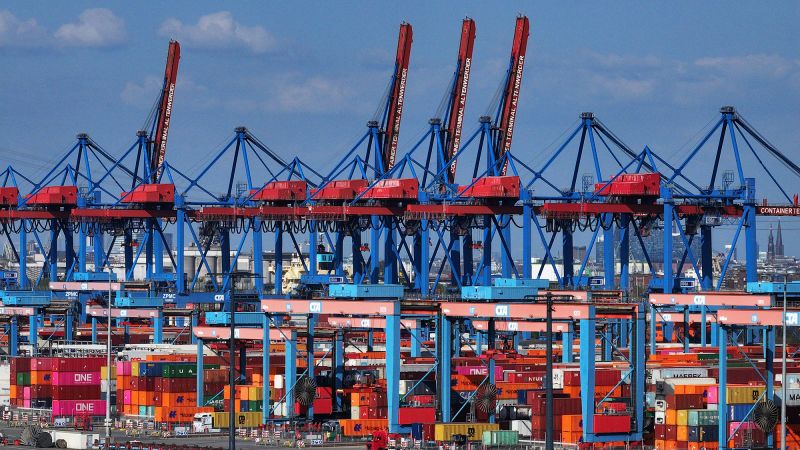
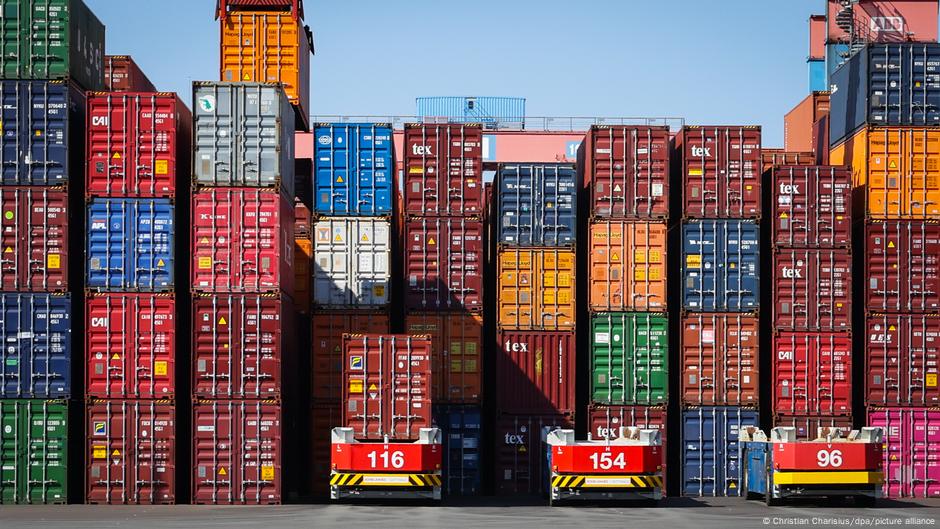
The European Union has postponed signing its long-awaited free trade agreement with Mercosur countries—Argentina, Brazil, Paraguay, and Uruguay—for the umpteenth time, now stretching over 25 years of negotiations. Despite a political agreement reached in December 2024 and European Commission proposals in September 2025 for signature, recent hurdles emerged just before a planned summit in Brazil.
Key Sticking Points and Protections
Opposition from France, Italy, Poland, and Hungary centers on protecting European farmers from cheaper South American agricultural imports, citing gaps in environmental, social, and sanitary standards. Brussels introduced safeguard clauses, mirror measures, stricter import controls, and boosted inspections—promising 50% more abroad and 33% within states. Yet experts argue these fall short, potentially sparking legal disputes over activation thresholds and lacking sufficient resources amid trade liberalization logics.
Broader Implications for Global Trade
Proponents like Germany and Spain highlight vast potential: covering one-fifth of world GDP, eliminating 90% of barriers, and building on €111 billion in 2024 exchanges. A blocking minority of four nations representing 35% of EU population could derail it, underscoring tensions between economic gains and domestic protections in an era of protectionist pressures.
About the Organizations Mentioned
European Union
The European Union (EU) is a unique economic and political partnership between 27 European countries, aiming to promote peace, stability, and economic cooperation. Established in 1993, the EU has evolved significantly since its inception, with key milestones including the introduction of the euro currency in 1999 and the expansion to include 27 member states. **History and Key Achievements:** - **Founding:** The EU's origins trace back to the European Coal and Steel Community (ECSC) in 1951, which evolved into the European Economic Community (EEC) in 1957. Over time, it expanded into the European Union with the Maastricht Treaty in 1992. - **Economic Integration:** The EU has fostered economic integration through the Single Market, allowing free movement of goods, services, and people among member states. - **Common Currency:** The euro, introduced in 1999, is used by 20 of the 27 member states, promoting economic stability and facilitating trade. **Current Status:** - **Challenges:** The EU faces ongoing challenges, including climate change, migration, and geopolitical tensions, particularly with Russia's aggression in Ukraine. - **Economic Outlook:** Euro area growth is forecast to remain weak in 2025, with GDP projected to expand by less than 1%[8]. - **Innovative Initiatives:** The EU is actively working on enhancing its technological and economic competitiveness, with initiatives like the Clean Industrial Deal and the Competitiveness Compass[4]. **Notable Aspects:** - **State of the Union Address:** The annual State of the Union address by the European Commission President outlines key priorities and initiatives for the year ahead, such as Ursula von der Leyen's 2025 address focusing on security, Ukraine support, and climate action[1][5]. - **Global Influence:** The EU is a significant player in global affairs, with initiatives like the Global Gateway aimed at sustainable development
Mercosur
**Mercosur**, formally the Southern Common Market, is a South American economic and political bloc promoting free trade, a common external tariff (CET), and coordinated policies among its full members: Argentina, Brazil, Paraguay, Uruguay, and Bolivia (joined 2024).[1][3][4] Venezuela remains a suspended full member since 2016.[1][3] Founded in 1991 via the Treaty of Asunción, Mercosur aimed to foster a common market for free movement of goods, services, and production factors, while adopting a CET initially up to 35% on external imports.[1][2][3] The 1995 Ouro Preto Protocol solidified its customs union structure, including the Common Market Council (heads of state), Common Market Group (ministers), and Trade Commission for policy harmonization.[1][2][3] Early triumphs included a five- to tenfold surge in intra-bloc trade during the 1990s, creating a market of over 260-270 million consumers and funding infrastructure via the Structural Convergence Fund.[1][2][7] Governed by consensus with a rotating six-month presidency (currently Argentina), Mercosur coordinates macroeconomic, sectoral, and foreign policies, supporting less-developed regions and associate states like Chile and Colombia.[1][2][4] It has inked deals across continents, enhancing global competitiveness amid digital shifts and geopolitics.[2][4] Today, Mercosur stands at a pivotal juncture. In December 2024, it sealed a landmark political agreement with the European Union—after 25+ years of talks—covering trade liberalization (EU cuts tariffs on 92% of Mercosur imports; vice versa 91%) and partnership, outpacing U.S. or China pacts.[5][7][9] Ratification progresses, with EU trade pillar eyed for late 2025 and provisional rollout by early 202
European Commission
The European Commission is the executive branch of the European Union (EU), responsible for proposing legislation, implementing decisions, upholding the EU treaties, and managing the day-to-day business of the Union. Its primary role is to act as the “guardian of the treaties,” ensuring that EU law is applied uniformly across all member states. The Commission is composed of one commissioner from each EU country, led by a President—currently Ursula von der Leyen—who sets the political direction for the institution. ## History and Evolution Established in 1958 as part of the European Economic Community, the Commission’s powers and responsibilities have expanded alongside the EU itself. Over decades, it has evolved from a technocratic body focused on economic integration to a central player in shaping Europe’s political, social, and digital future. The Commission has been instrumental in creating the single market, launching the euro currency, and driving forward major treaties such as Maastricht and Lisbon. ## Key Achievements The Commission has overseen transformative projects like the European Green Deal, aiming to make Europe the first climate-neutral continent by 2050, and the Digital Single Market, which seeks to harmonize digital regulations and boost Europe’s tech competitiveness. It has also been a driving force behind landmark regulations in data protection (GDPR), artificial intelligence (AI Act), and antitrust enforcement against global tech giants. ## Current Status and Priorities In 2025, the Commission’s work programme underscores a focus on sustainable prosperity, security, competitiveness, and regulatory simplification[1][2][4]. Major initiatives include the Clean Industrial Deal to decarbonize industry, the AI Continent Action Plan to position Europe as a leader in artificial intelligence, and a push to reduce administrative burdens by at least 25% for businesses—especially small and medium-sized enterprises (SMEs)[1][3][6]. The Commission is also prioritizing the modernization of the single market, investment in clean energy, and strengthening Europe’s strategi