EV Market Navigates a Complex 2025: Record Sales Amid Policy Shifts

Electric Vehicles Navigate a Complex 2025
The electric vehicle market faced significant headwinds in 2025 as federal tax credits ended in September and policy uncertainty loomed. Despite these challenges, the industry demonstrated remarkable resilience with record sales surges before the credit deadline. Global EV adoption reached over 23% of new vehicle sales in the first half of 2025, with emerging markets like Vietnam and Thailand leading unexpected growth trajectories. China maintained dominance, accounting for 72% of global EV production while expanding its market share to 47% domestically.
Consumer Interest Remains Strong
American consumers rushed to purchase EVs before incentives disappeared, creating record sales in September and Q3. Average EV range improved 4% to 293 miles, while fast charging speeds increased 7%. The Tesla Supercharger network's opening to competing brands represented a watershed moment for charging accessibility, with 17,000 new charging ports added nationwide representing 33% infrastructure growth. Used EV demand surged due to affordability and battery warranties, indicating sustained consumer confidence despite policy reversals and market volatility.
```About the Organizations Mentioned
Tesla
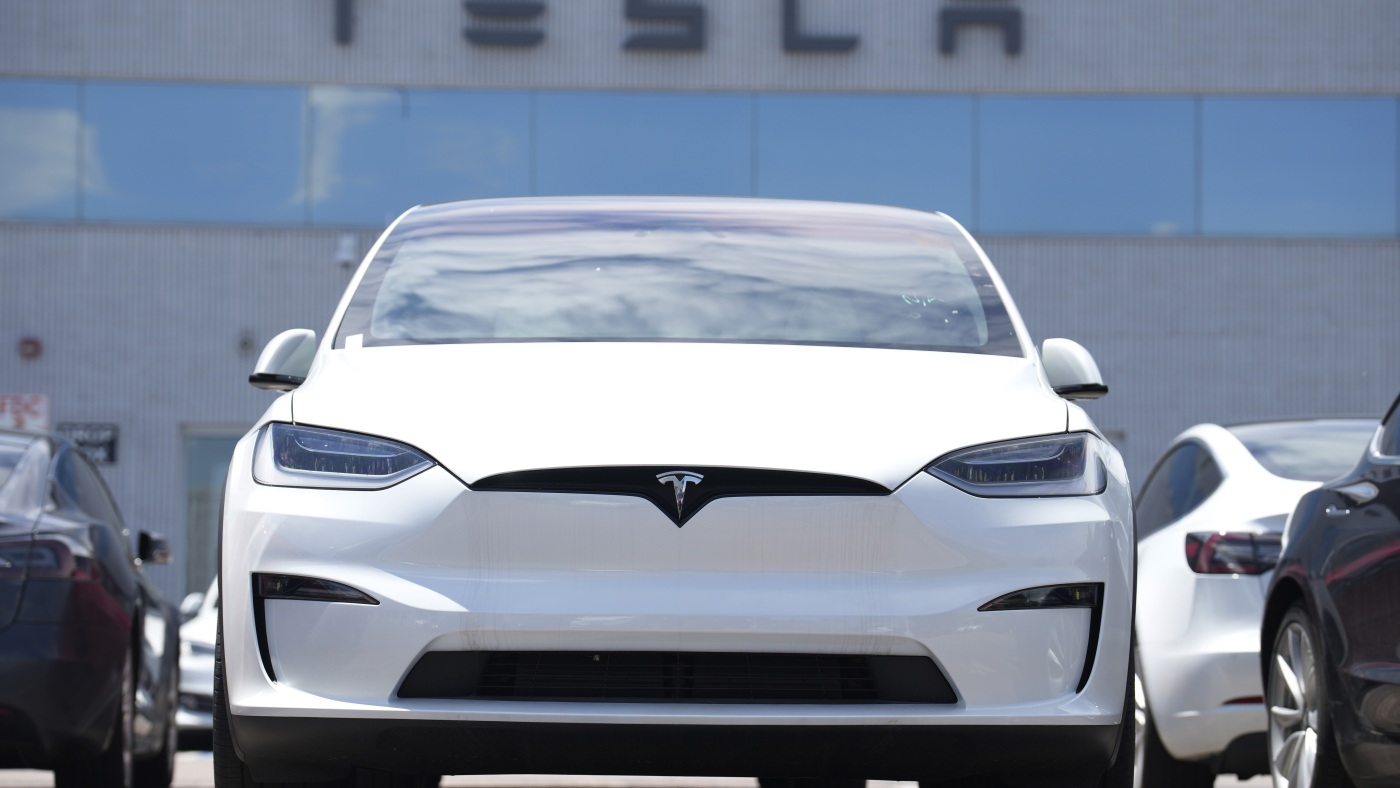
Tesla, Inc. is a pioneering American electric vehicle (EV) and clean energy company headquartered in Texas, with a mission to accelerate the world’s transition to sustainable energy[1]. Founded in 2003 by engineers Martin Eberhard and Marc Tarpenning, and later joined by Elon Musk, who became the company’s driving force and public face, Tesla has grown from a niche startup into a global leader in EVs, energy storage, and solar technology[1]. ## What Tesla Does Tesla designs, manufactures, and sells high-performance electric vehicles, including the Model S, Model 3, Model X, Model Y, Cybertruck, and the upcoming affordable model[4]. Beyond automobiles, Tesla produces large-scale battery storage systems (Powerwall, Powerpack, Megapack) and solar energy products (Solar Roof, Solar Panels), aiming to create a fully integrated sustainable energy ecosystem[1]. The company operates six massive, vertically integrated factories across three continents, employing over 100,000 people who handle everything from design to service in-house[1]. ## History and Key Achievements Tesla’s breakthrough came with the 2008 launch of the Roadster, the first highway-legal all-electric sports car. The company then disrupted the auto industry with the Model S sedan (2012), which set new standards for EV range and performance. The Model 3, introduced in 2017, became the world’s best-selling electric car, proving that EVs could be both desirable and mass-market[1]. Tesla’s Gigafactories, sprawling production facilities, have enabled rapid scaling and cost reductions, while its proprietary Supercharger network has addressed range anxiety for drivers. ## Current Status and Notable Aspects In 2025, Tesla continues to dominate the EV market, producing over 447,000 vehicles and delivering nearly 497,000 in Q3 alone[5]. The company has avoided over 20 million metric tons of CO₂