Iran's Exiled Crown Prince Reza Pahlavi Sparks Global Calls for Regime Change at Munich Rally
Iran’s Exiled Crown Prince Challenges Tehran’s Survival
Iran’s exiled Crown Prince Reza Pahlavi boldly declared that the Tehran government’s endurance sends a chilling message to tyrants worldwide: suppress dissent ruthlessly to cling to power. Speaking amid the Munich Security Conference, he rallied global support for Iranians battling oppression, warning of more bloodshed if democracies remain silent.
Massive Munich Rally Ignites Calls for Regime Change
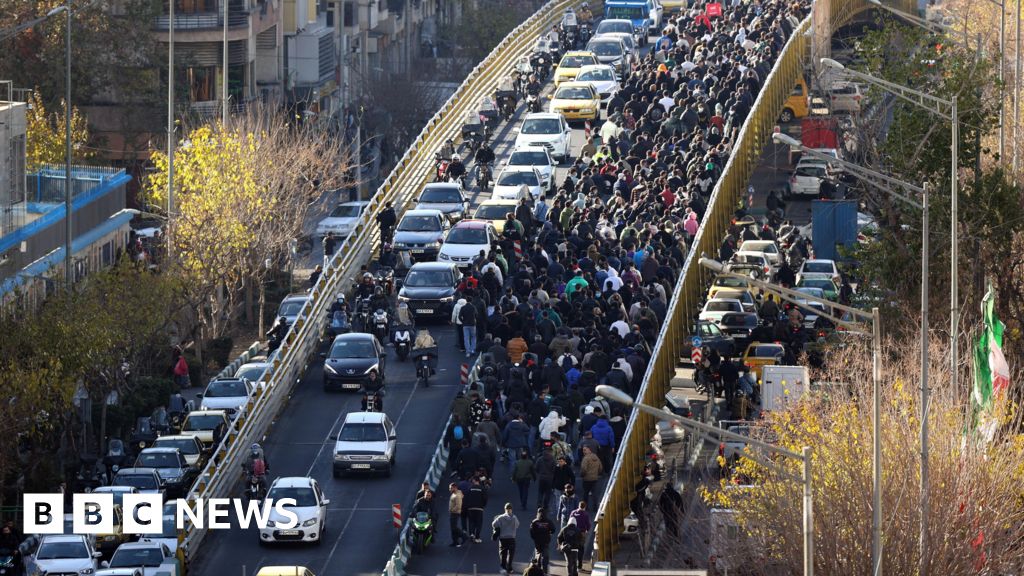
Over 200,000 demonstrators flooded Munich’s Theresienwiese on Saturday, waving pre-1979 lion-and-sun flags and chanting “regime change.” Answering Pahlavi’s global call, protesters from across Europe banged drums and hoisted banners for human rights and freedom. This outpouring coincided with world leaders’ gathering, amplifying voices stifled by Iran’s internet blackout and brutal crackdown that claimed thousands of lives last month.
Global Echoes and Hopes for Democratic Dawn
From Zurich to Cyprus, solidarity protests echoed Munich’s fervor, with attendees like Daniyal Mohtashamian voicing optimism for transformation. Pahlavi envisions leading a democratic transition, countering Tehran’s instability exports and nuclear threats. As international pressure mounts, these rallies signal a pivotal moment for Iran’s future.
About the Organizations Mentioned
Munich Security Conference
The **Munich Security Conference (MSC)** is the world's premier forum for debating international security policy, fostering trust and conflict resolution through informal dialogue among over 500 global decision-makers annually in February.[2][5][8] Founded in 1963 by Ewald-Heinrich von Kleist as the "Internationale Wehrkunde-Begegnung," it began as a modest transatlantic gathering of NATO allies amid the Cold War, focusing on Western defense strategies with audiences limited to dozens.[1][7] Post-Cold War, under leaders like Horst Teltschik, the MSC expanded dramatically, inviting voices from Central/Eastern Europe and Russia to adapt to a multipolar world.[1] It evolved into a "marketplace of ideas," embracing a broad security concept that spans military threats, economics, environment, and human rights, while retaining its transatlantic core.[2][5] Beyond the flagship Munich event, it hosts specialized gatherings, publishes the influential Munich Security Report, and operates from offices in Munich, Berlin, and Washington, DC.[5][7] Key achievements include pioneering high-level diplomatic breakthroughs, such as informal summits that have shaped alliances and spotlighted emerging crises—from Ukraine's 2014 annexation to climate-security links.[2][4] Its 60th anniversary in 2023 highlighted six decades of "Munich Moments," underscoring dialogue's role in peace-building, though acknowledging words' limits against aggression.[2] Today, the MSC remains highly relevant amid fracturing alliances and global tensions. The 61st edition (February 2025) grappled with "multipolarization," featuring U.S. calls for Europe to boost Ukraine aid and defense spending, Zelenskyy-Vance meetings, and transatlantic strains under Trump's second term—echoing historical echoes like 1938's Munich Agreement.[3][4][6] For business and tech leaders, i