Japan Lifts Tsunami Advisory After 6.7-Magnitude Quake

Japan Lifts Tsunami Advisory After 6.7-Magnitude Quake
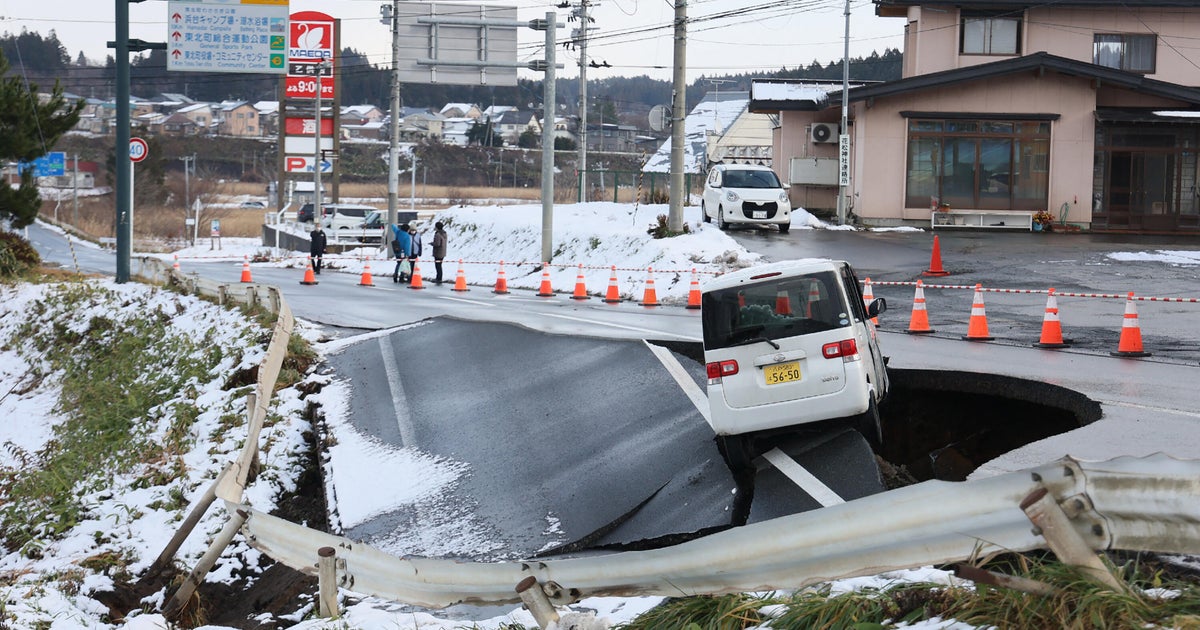
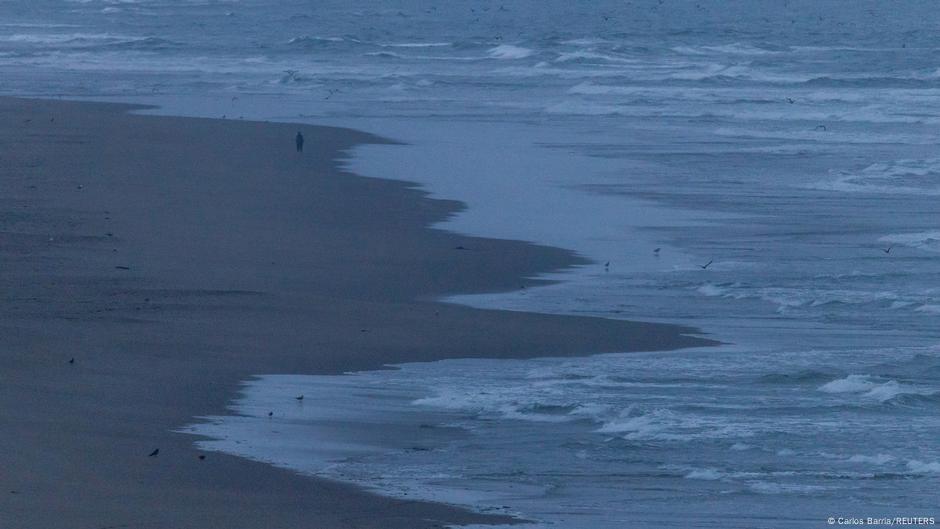
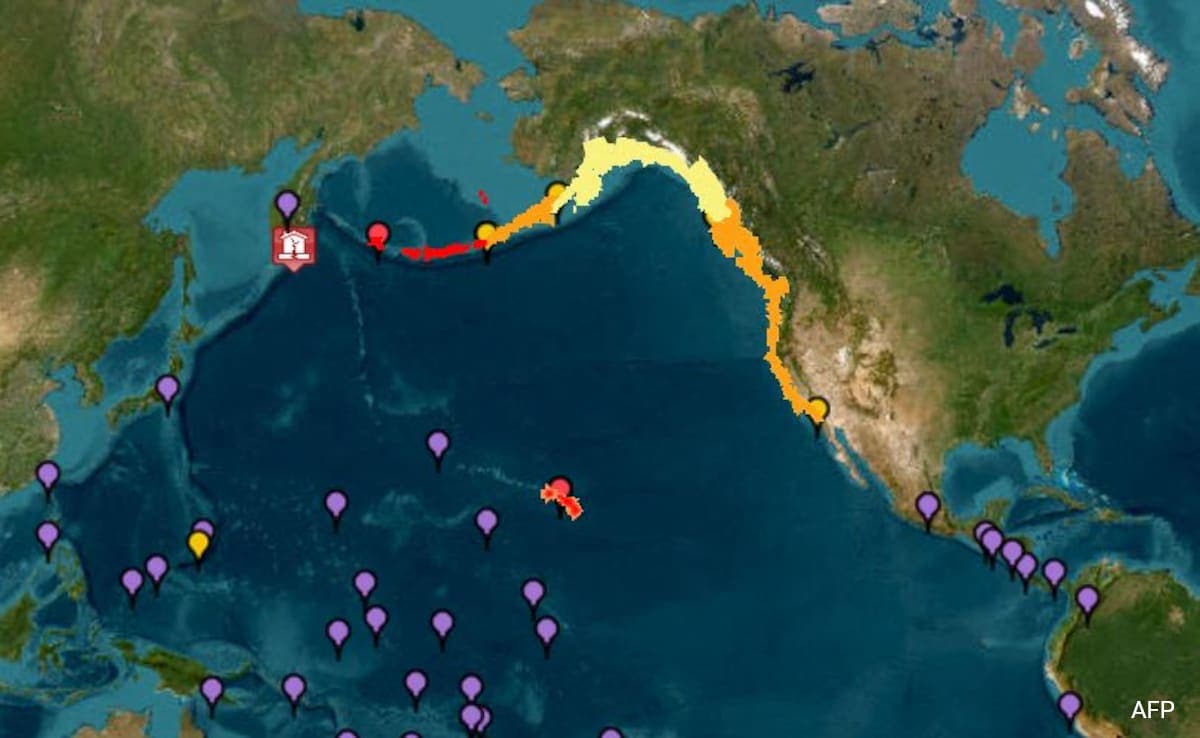
Japan's northern region faced fresh tremors as a 6.7-magnitude earthquake struck on Friday, December 12, just days after a devastating 7.5-magnitude event injured over 50 people. The Japan Meteorological Agency swiftly issued a tsunami advisory, warning of waves up to one meter along the Pacific coastline near Hachinohe city. Located 114 kilometers offshore, the quake prompted emergency alerts for Hokkaido, Iwate, and Aomori prefectures.[1]
From Warning to Relief
Initially pegged at 6.5, the quake's magnitude was upgraded, echoing concerns from a rare special advisory issued post the prior disaster. Authorities had flagged a small risk—about one in 100—of another major shake within a week. Fortunately, the advisory was lifted soon after, with no significant tsunami damage reported, easing fears in this seismically active zone.[1]
Ongoing Vigilance in Quake-Prone Japan
This back-to-back seismic activity underscores Japan's vulnerability on the Pacific Ring of Fire. While no major harm ensued this time, it highlights the nation's robust early warning systems and preparedness. Residents remain cautious, as agencies monitor for aftershocks, drawing lessons from past events like the 2024 Nankai advisory to bolster resilience.[1]
About the Organizations Mentioned
Japan_Meteorological_Agency
The **Japan Meteorological Agency (JMA)**, an extra-ministerial bureau under Japan's Ministry of Land, Infrastructure, Transport and Tourism (MLIT), delivers critical meteorological, seismic, and disaster services nationwide and regionally.[1][4] It observes weather via networks like AMeDAS radars and Himawari satellites, issues public forecasts/warnings for typhoons, floods, earthquakes, tsunamis, and volcanoes, and supports aviation, marine, and business sectors with specialized data.[1][2][3] Established post-World War II under the 1952 Meteorological Service Act, JMA evolved from earlier imperial observatories, formalizing duties like maintaining observation networks and central warning systems for multi-hazards.[2][5] Over 60+ years, it pioneered a "single authoritative voice" for early warnings, integrating weather, seismic, and volcanic monitoring into seamless, risk-based services delivered via government, media, and websites.[5] Key achievements include launching the **Earthquake Early Warning (EEW)** system in 2007, providing seconds-ahead alerts for quakes; naming and tracking Northwestern Pacific tropical cyclones as a WMO Regional Specialized Meteorological Center; and issuing volcanic warnings since 2007 with ash forecasts via the Tokyo Volcanic Ash Advisory Center.[1][7] JMA's seismic network, with real-time accelerometers and ocean-bottom sensors, maintains Japan's earthquake catalog and tsunamis advisories for the region.[6] It also advances numerical weather prediction, climate reanalysis (e.g., JRA-25), and global cooperation.[3] Today, JMA operates headquarters, six regional offices, 47 local stations, marine observatories, and auxiliary facilities, bolstered by cutting-edge tech for business continuity.[1][4] Notably, it licenses data to private firms, fueling Japan's tech-driven economy in weather apps, insurance, and logistics amid rising climate risk