Japan's PM Takaichi Dissolves Parliament in Snap Election
Japan’s PM Takaichi Dissolves Parliament After Just Three Months
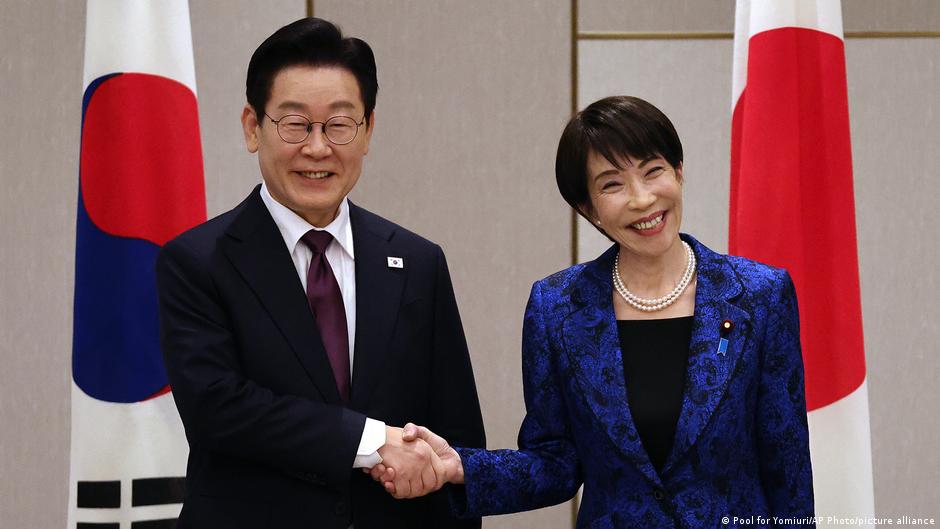
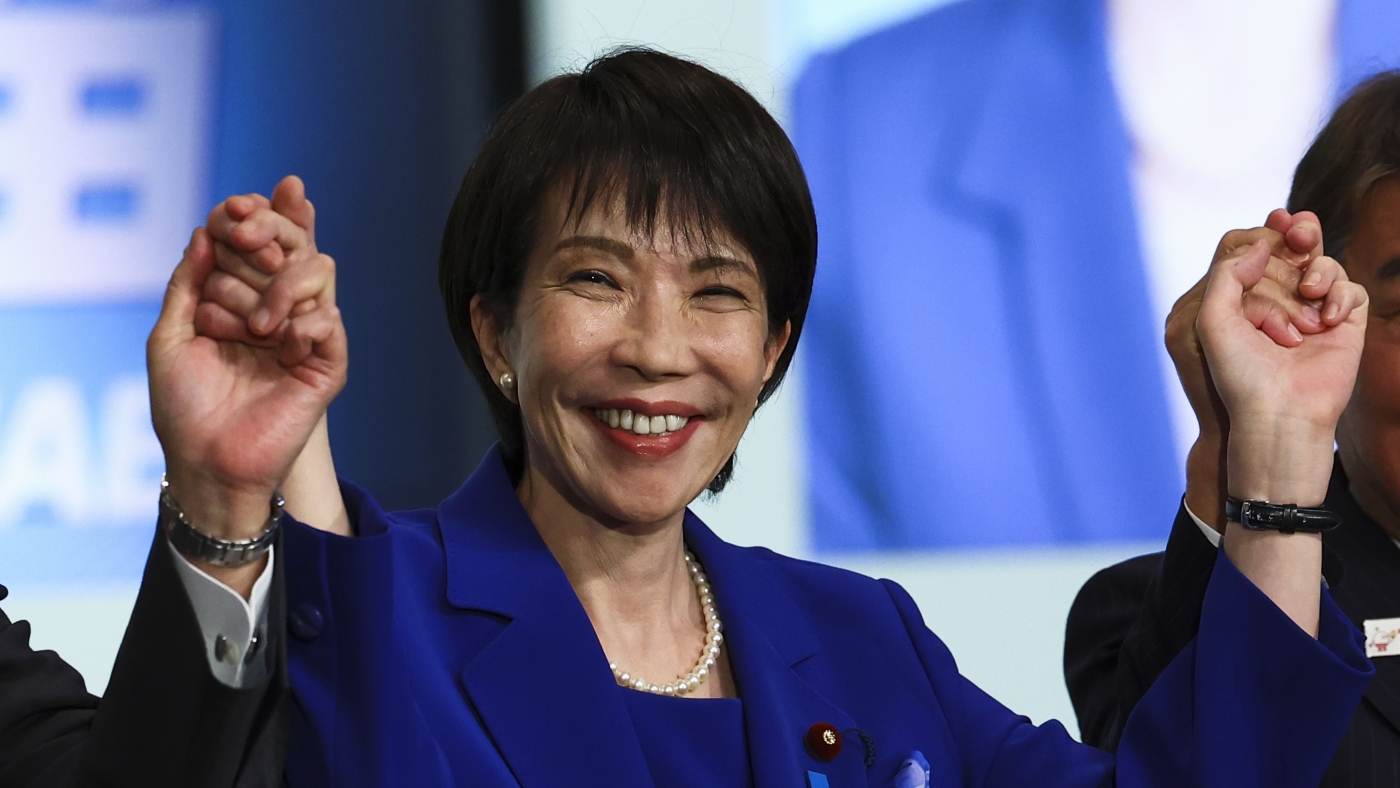
Japan's Prime Minister Sanae Takaichi has boldly dissolved the lower house of parliament on January 23, only three months into her tenure, triggering a snap election on February 8. This high-stakes gamble aims to leverage her surging popularity to strengthen the Liberal Democratic Party's slim majority after recent electoral setbacks.[1][3]
The Strategic Snap Election and Key Promises
With official campaigning starting January 27, this will be Japan's shortest post-war campaign at just 12 days. Takaichi, who assumed office on October 21 following her LDP presidential win, is staking her leadership on issues like economic stability, temporary tax cuts to combat soaring food prices, and a tough stance on national security amid tensions with China over Taiwan. Her coalition with the Japan Innovation Party seeks to expand its hold on the 465 House seats.[2][3]
Opposition Backlash and Voter Stakes
Opposition leaders decry the move, arguing it delays a crucial $115 billion budget for vital economic reforms amid inflation, stagnant wages, and demographic challenges. As centrist alliances and nationalists rise, voters face a pivotal choice that could reshape Japan's political landscape.[1][2]
About the People Mentioned
Sanae Takaichi
Sanae Takaichi is a Japanese politician of the Liberal Democratic Party (LDP) who became Japan’s first female prime minister after winning the LDP leadership and being elected by the National Diet in 2025[2][3]. She was first elected to the House of Representatives in 1993 and has held multiple cabinet posts, notably Minister for Internal Affairs and Communications and Minister of State for Economic Security[5][3]. Takaichi is widely described as a conservative and a protégé of former prime minister Shinzō Abe, advocating traditionalist cultural policies, stronger defence and economic-security measures, and limits on immigration[5][3]. Her tenure as a senior minister included controversial moves such as seeking greater government influence over public broadcasting and visiting the Yasukuni Shrine while in office[5]. After several attempts at party leadership, she secured the LDP presidency in 2025 and led a minority government formed with the Japan Innovation Party amid a fractured Diet and the end of the long-standing LDP–Kōmeitō alliance[2][3]. Key challenges cited for her government include restoring public trust after LDP funding scandals, addressing Japan’s demographic decline and low growth, high public debt, inflation and wage issues, and navigating a tense regional security environment involving China and North Korea[2][3]. Analysts note her policy priorities include expansionary fiscal measures, tighter control over monetary policy levers, and strengthening the U.S.–Japan alliance and economic-security ties[2][5]. Takaichi’s rise is significant both for breaking gender barriers in Japanese national leadership and for shifting the LDP toward more conservative, security-focused policies during a period of domestic political realignment[3][5].
About the Organizations Mentioned
Liberal Democratic Party
## Overview The Liberal Democratic Party (LDP; Jiyū-Minshutō) is Japan’s largest and most influential political party, having dominated the country’s political landscape for nearly seven decades since its founding in 1955[1][5][7]. As a conservative to moderate force, the LDP has shaped Japan’s post-war recovery, guided its transformation into a global economic powerhouse, and maintained a steadfast alliance with the United States[2][4][7]. The party’s broad appeal—encompassing both nationalist and progressive factions—allows it to adapt to shifting political and economic climates, much like major U.S. parties[4]. ## What the Organization Does The LDP’s core mission is to promote economic growth, national security, and social stability through policies that favor business, low taxes, and government support for industry[4][5]. It prioritizes a close relationship with the U.S., advocates for export-driven growth, and has historically resisted sweeping social reforms such as the legalization of same-sex marriage[1]. The party also supports constitutional revision to expand Japan’s military role internationally, reflecting evolving national security priorities[4]. ## History Formed in 1955 through the merger of the Liberal Party and the Japan Democratic Party, the LDP was created to counter the rising influence of socialist parties[3][6]. It quickly established itself as the dominant political force, overseeing Japan’s remarkable post-war economic recovery and industrialization[7]. The LDP’s uninterrupted rule from 1955 to 1993 was punctuated only by brief opposition-led governments in 1993–94 and 2009–12[2][7]. Its longevity is attributed not only to policy successes but also to a robust political machine built on patronage and close ties with business and agricultural interests[6]. ## Key Achievements Under LDP leadership, Japan became the world’s second-largest economy by the 198
Japan Innovation Party
The **Japan Innovation Party** (Nippon Ishin no Kai, or JIP), rooted in Osaka's reformist politics, is a conservative, decentralization-focused party driving Japan's political renewal through bold structural changes.[2][3][5] Originating from the 2010 Osaka Restoration Association led by Tōru Hashimoto, it evolved into the national Japan Restoration Party in 2012, merged with the Unity Party to form the short-lived Japan Innovation Party (2014–2016), and reemerged as Nippon Ishin no Kai in 2016 after internal splits.[1][3][5] Key milestones include Hashimoto's 2011 Osaka mayoral win and the party's push for an "Osaka Metropolis" via referendums (defeated in 2015 and 2016).[1][5] Despite controversies like Hashimoto's 2013 comfort women remarks, it gained traction under leaders like Ichirō Matsui and Hirofumi Yoshimura.[5] The party's core mission emphasizes **"self-reliant individuals, self-reliant regions, self-reliant nation"**, prioritizing social security and tax reforms for an aging, low-birthrate Japan; deregulation to boost innovation and labor mobility; and slashing politicians' privileges via a "sacrifice ourselves first" ethos.[2][3][4] It champions **doshu** regional governance to counter Tokyo's dominance, including a "vice-capital" for crisis resilience, and open, transparent policy-making to end "Nagatacho-style" cronyism.[2][3][4] Achievements include Osaka electoral successes—Yoshimura's 2015 mayoralty and Matsui's reelection—and building a horizontal organization empowering local lawmakers in national decisions.[3][4][5] As of late 2025, with **35 Lower House and 19 Upper House seats**, JIP entered coalition talks with th