JUICE Captures Historic Images of Interstellar Comet 3I/ATLAS

Juice Captures Historic Images of Interstellar Comet
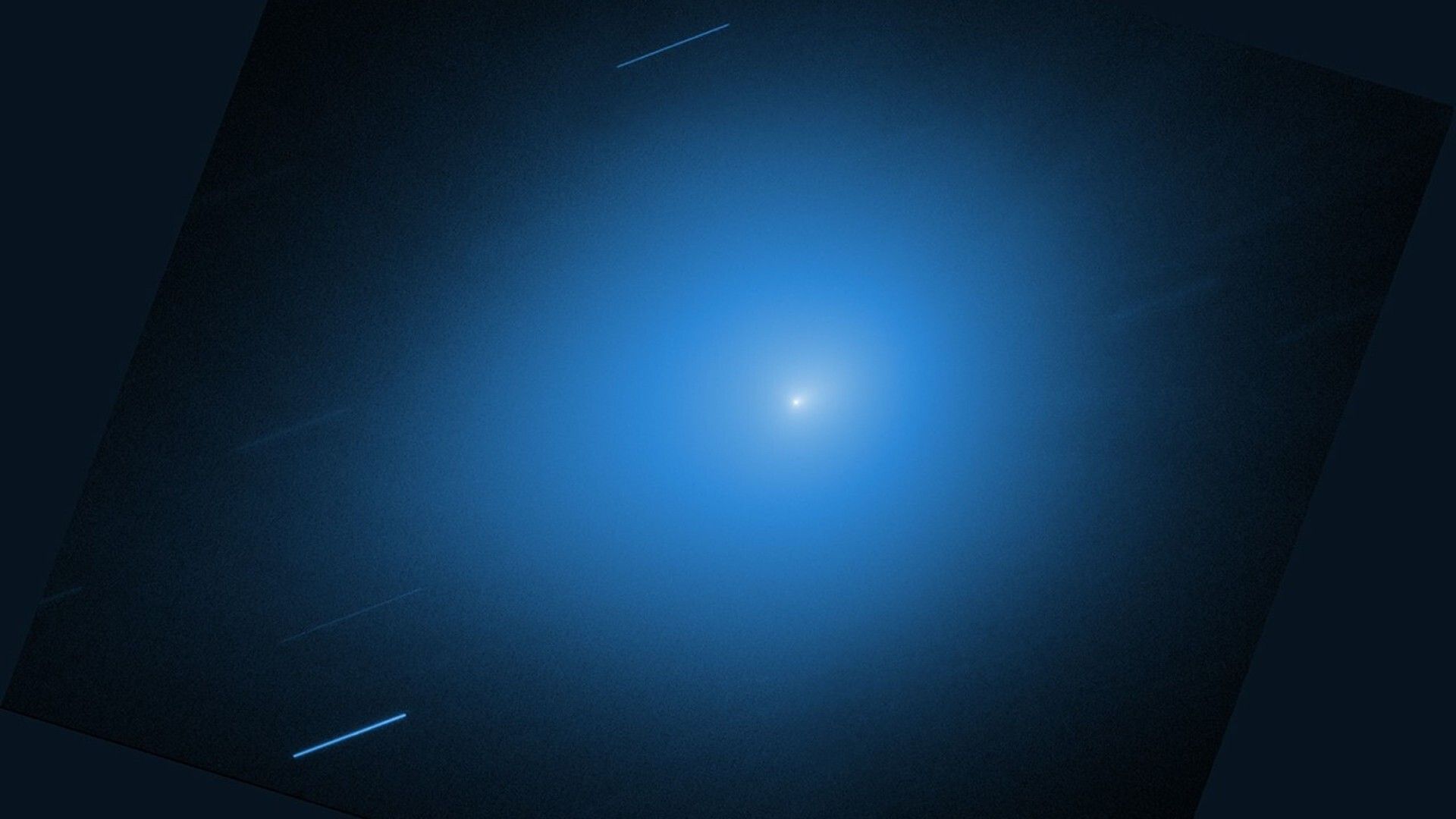
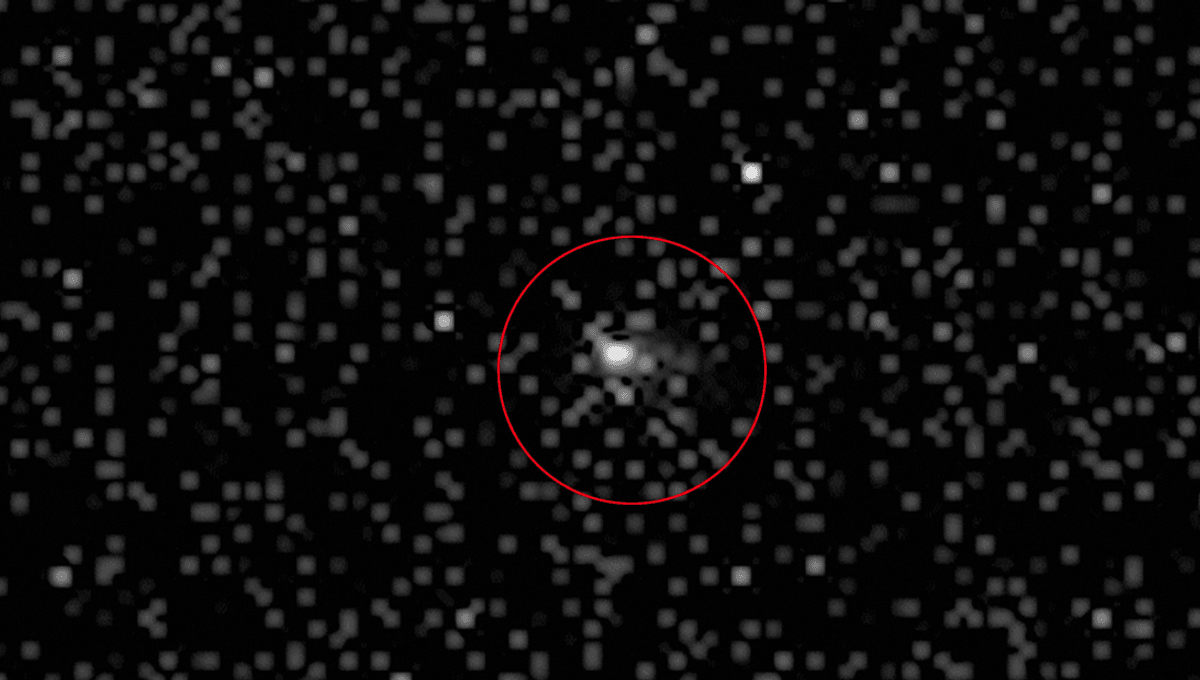
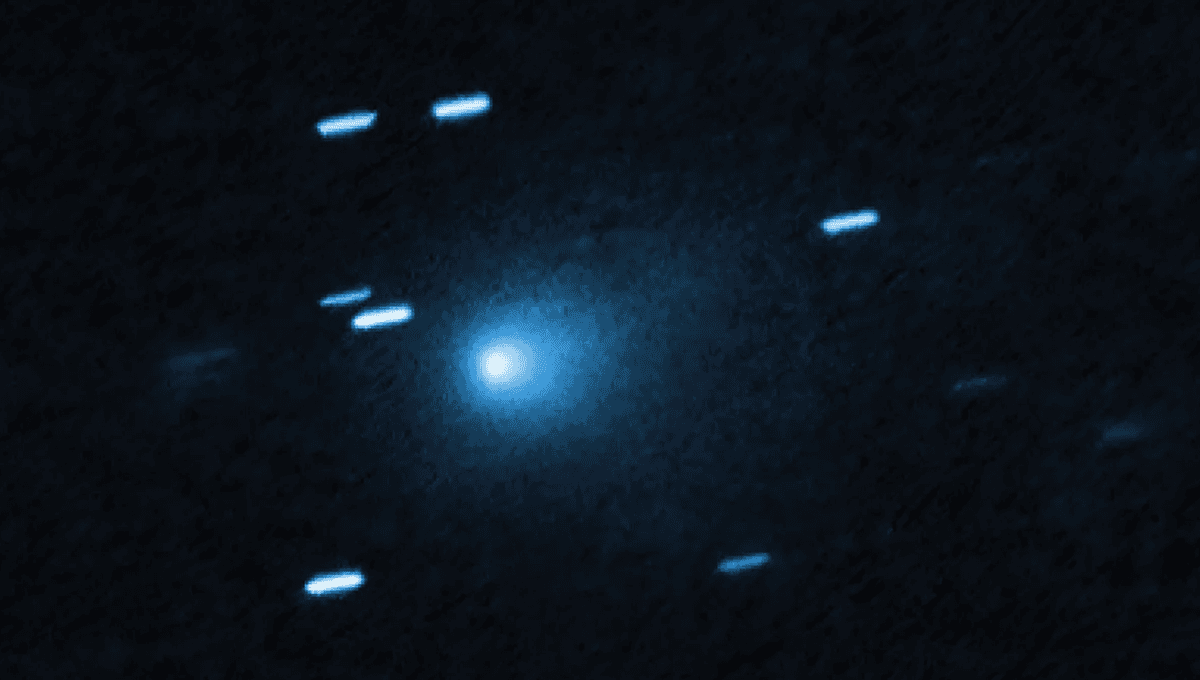
The European Space Agency's Jupiter Icy Moons Explorer has successfully photographed the interstellar comet 3I/ATLAS, marking a significant moment in comet observation. The JANUS science camera captured striking images on November 6, 2025, just one week after the comet reached its closest approach to the Sun. At that time, Juice was positioned approximately 66 million kilometers from the celestial visitor, providing a unique vantage point for detailed observation.
Scientific Instruments and Data Collection
Throughout November, five specialized instruments aboard Juice worked in concert to study 3I/ATLAS comprehensively. JANUS alone captured over 120 images across multiple wavelengths, while MAJIS, SWI, PEP, and UVS collected crucial spectrometry, composition, and particle data. These observations reveal the comet's brilliant coma and distinctive tail, providing scientists with unprecedented insights into this interstellar object's composition and behavior.
Analysis and Future Discoveries
Research teams are currently analyzing the transmitted data to unlock 3I/ATLAS's secrets. Scheduled discussions in late March will consolidate findings from all instruments, potentially revealing what distinguishes this comet from typical solar system visitors.
```About the Organizations Mentioned
European Space Agency
The **European Space Agency (ESA)** is an intergovernmental organization of 23 European member states, founded in 1975 to coordinate and advance Europe’s space exploration and technology capabilities. Headquartered in Paris with around 2,547 staff worldwide as of 2023, ESA’s mission spans scientific research, Earth observation, satellite navigation, human spaceflight, and space infrastructure development, making it a key player in the global space economy[2][1]. ESA was established by 10 countries aiming to pool resources for space science, launch capabilities, and applications. Over five decades, it expanded its membership and scope, now operating major programs such as the Ariane launch vehicles, the International Space Station (ISS) involvement, and collaborations with NASA, including the Artemis lunar missions. ESA also develops uncrewed missions to planets, asteroids, and the Sun, and manages Europe's spaceport in French Guiana[1][2]. Key achievements include the Galileo satellite navigation system, which began from ESA’s 2003 Giove-A test satellite and now underpins Europe’s strategic positioning and services. ESA’s long-running Solar and Heliospheric Observatory (SOHO) and gamma-ray observatory Integral have provided decades of scientific data. The recent launch of the Euclid telescope in 2023 marks a new phase in cosmological research. ESA’s Business Incubation Centres, established 20 years ago, foster space technology startups, boosting innovation and commercialization within Europe[1][2]. In 2025, ESA’s budget stands at €7.7 billion, reflecting its strategic importance not only in science but also in business and security sectors. It actively fosters partnerships with global space actors, including India’s ISRO and commercial providers like SpaceX for satellite launches. ESA also supports the European Union’s space ambitions through programs like Copernicus and GOVSATCOM, connecting policy, technology, and industry to stimulate growth and autonomy in the space sector[2][