Kushner's Gaza Reconstruction Vision: Ambition, Obstacles, and Global Skepticism
Kushner's Ambitious Gaza Reconstruction Vision
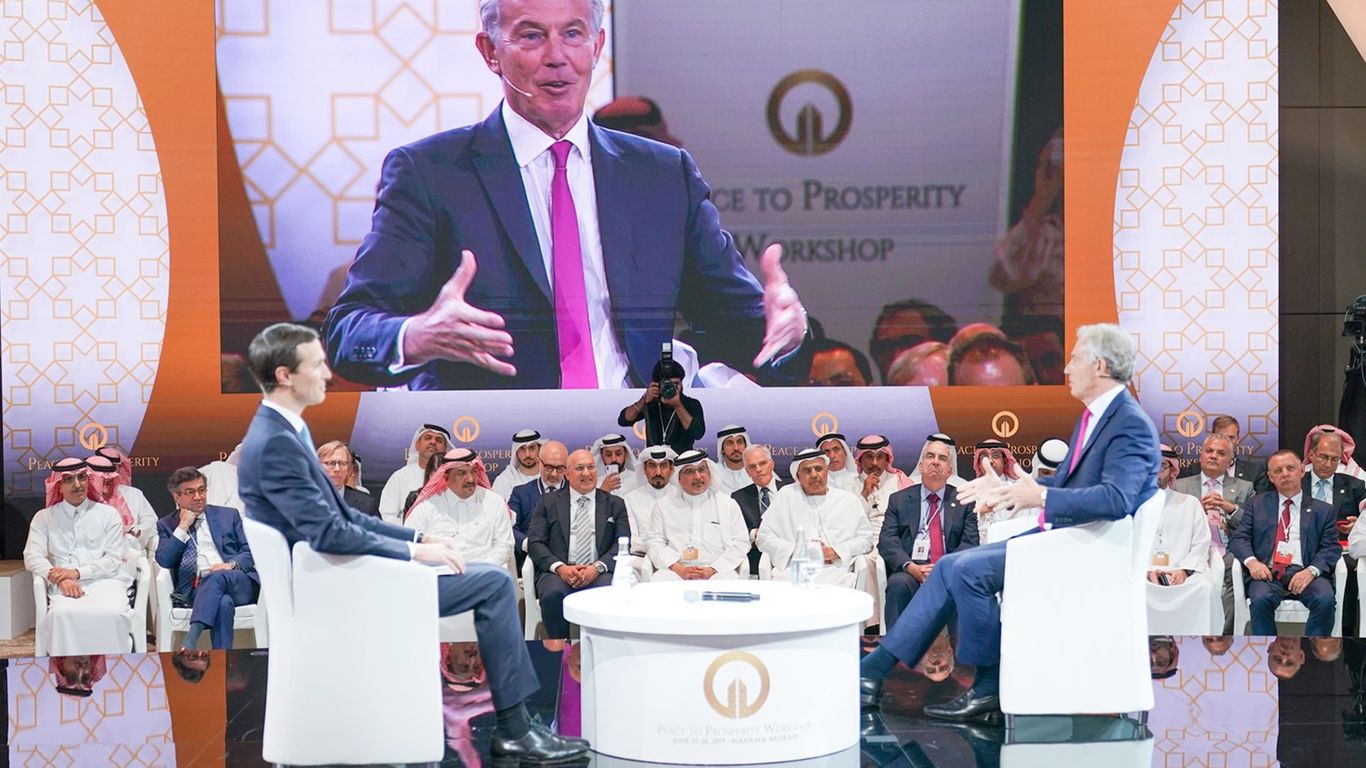
Jared Kushner unveiled a comprehensive master plan for rebuilding Gaza, envisioning modern cities with high-rises, ports, and coastal tourism developments. Speaking at the World Economic Forum in Davos, Trump's son-in-law proposed transforming the war-devastated territory into a thriving economic hub within three years, requiring over $25 billion in investment.
Significant Challenges Ahead
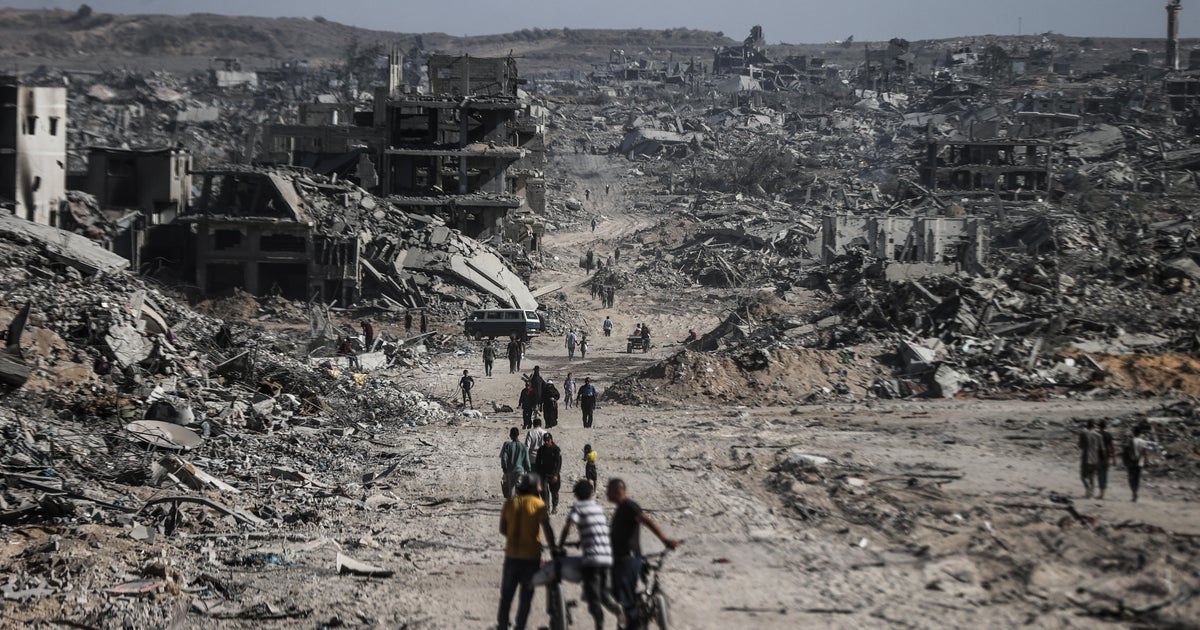
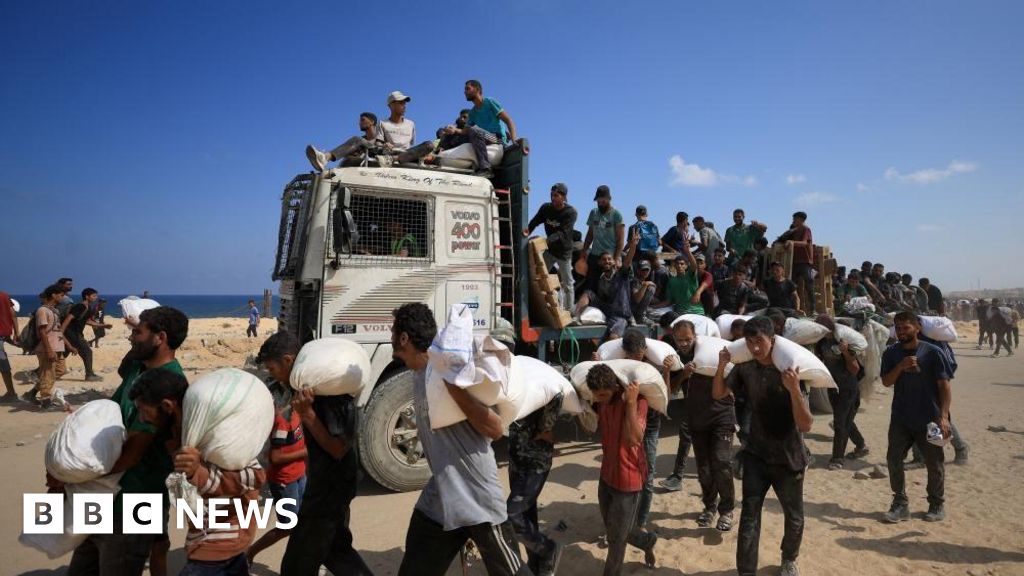
Despite the optimistic timeline, substantial obstacles threaten the plan's viability. The United Nations estimates rubble clearing alone will take more than seven years, while demining operations haven't commenced. Hamas disarmament remains uncertain, and Israeli security concerns about high-rise construction near military bases persist, casting serious doubt on feasibility.
Palestinian Concerns and Criticism
International experts describe the proposal as unrealistic, noting it approaches Gaza through a real estate developer's lens rather than addressing humanitarian needs. Palestinians fear forced displacement, while the plan lacks clarity on housing during reconstruction and fails to compensate residents for devastating losses incurred throughout the conflict.
```About the People Mentioned
Jared Kushner
Jared Corey Kushner, born January 10, 1981, in Livingston, New Jersey, is an American businessman, investor, and former senior advisor to President Donald Trump. He is the son of real estate developer Charles Kushner and took over Kushner Companies after his father's legal troubles. Kushner built a notable career in real estate, including the 2007 purchase of 666 Fifth Avenue in Manhattan for $1.8 billion, and acquiring the New York Observer newspaper in 2006, where he served as publisher. Kushner married Ivanka Trump in 2009, linking him to the Trump family. He played a significant role in Donald Trump's 2016 presidential campaign, managing digital strategy and social media, and was instrumental in creating the campaign’s proprietary voter database. In January 2017, Kushner was appointed senior advisor to President Trump, leading initiatives such as criminal justice reform, notably helping pass the First Step Act in 2018, and spearheading efforts in the Middle East peace process, authoring the Trump peace plan and facilitating the Abraham Accords, which normalized relations between Israel and several Arab states in 2020. During his White House tenure, Kushner directed the Office of American Innovation, aiming to apply private-sector practices to government operations. His involvement in the 2016 campaign and subsequent contacts with Russian officials drew scrutiny during investigations into election interference, though he denied any wrongdoing. After leaving the White House in 2021, Kushner moved to Florida and began private equity ventures. In 2022, he published a memoir titled *Breaking History: A White House Memoir*. He and Ivanka Trump have since focused on their family and business interests, notably stepping back from active roles in Trump's 2024 presidential campaign. Kushner remains relevant as a figure blending political influence with business and diplomatic engagements, including recent involvement in Middle East-related initiatives[1][2][4][7].
About the Organizations Mentioned
World Economic Forum
The **World Economic Forum (WEF)** is an independent, not-for-profit foundation headquartered in Geneva, Switzerland, founded in 1971 by Klaus Schwab, a German-born professor at the University of Geneva, to convene global leaders from business, government, civil society, and academia for dialogue on pressing economic, social, and technological challenges.[1][5][6] Initially launched as the **European Management Forum**, it brought together 400 European CEOs in Davos, Switzerland, to enhance competitiveness against U.S. firms, leveraging the town's isolation for candid discussions.[1][2] By 1976, it expanded to include political and social agendas, becoming a membership organization for the top 1,000 global companies, and adopted the WEF name in 1987 to reflect its worldwide focus on issues like poverty, environment, and conflict.[1][3][4] Over five decades, annual Davos meetings have evolved into high-profile gatherings shaping agendas on **growth, resilience, innovation, geopolitics, technology, people, and planet**.[6][7] Key **achievements** include brokering the 1988 Davos Declaration averting Greco-Turkish war, facilitating North-South Korea talks (1989), Nelson Mandela's pivotal 1992 meeting with F.W. de Klerk aiding apartheid's end, and the 1994 Gaza-Jericho Agreement.[1][4] It spurred German reunification efforts post-Berlin Wall (1990), bridged Arab-West ties via UNIDO (1976), and catalyzed the G20's formation in 1998 amid Asian financial crises.[3][4] Today, the WEF drives public-private initiatives, produces flagship reports like **Global Risks** and **Future of Jobs**, and fosters foresight through its Global Foresight Network, emphasizing sustainable development in health, education, and tech amid geopolitical shifts.[6][7] Critics note its elite "
United Nations
The United Nations (UN) is a pivotal international organization established in 1945, following the devastation of World War II, with the primary goal of maintaining global peace and security, fostering international cooperation, and promoting social progress. The UN Charter, signed by 51 founding member states, including the United States, the United Kingdom, China, and the Soviet Union, laid the foundation for this ambitious endeavor[1][3]. ## History and Structure The UN was born out of the failures of its predecessor, the League of Nations, which failed to prevent World War II. Key planning meetings, such as the Dumbarton Oaks Conference in 1944, defined the UN's structure, which includes the General Assembly, the Security Council, the Economic and Social Council, the Trusteeship Council, the International Court of Justice, and the Secretariat[1][6]. The Security Council, with five permanent members (the United States, China, France, Russia, and the United Kingdom), holds significant influence due to its veto power[2]. ## Key Achievements Over the years, the UN has played a crucial role in conflict resolution, human rights advocacy, and sustainable development. Notable achievements include the establishment of the Universal Declaration of Human Rights in 1948 and the implementation of numerous peacekeeping missions worldwide[3][4]. The UN has also been instrumental in addressing global challenges such as climate change and pandemics through its various programs and agencies. ## Current Status Today, the UN comprises 193 member states, with its most recent addition being South Sudan in 2011[5]. The organization continues to evolve, addressing emerging issues like digital governance and cybersecurity. Despite challenges, the UN remains a cornerstone of international diplomacy and cooperation. ## Notable Aspects The UN's work is not limited to politics; it also impacts business and technology through initiatives that promote sustainable development and digital inclusion. Its role in setting global standards and fostering international cooperation makes it a significant player in shaping the
Hamas
**Hamas** is a Sunni Islamist Palestinian nationalist organization that functions both as a political party and a militant group, primarily operating in the Gaza Strip, which it has governed since 2007. Founded in 1987 by Ahmed Yassin amid the First Intifada, Hamas emerged from the Muslim Brotherhood and initially had covert Israeli support as a counterweight to the secular Palestinian Liberation Organization (PLO)[3][1]. It combines political governance with an armed wing, the al-Qassam Brigades, committed to armed resistance against Israel, which it refuses to recognize as a legitimate state[1][3]. Hamas’s political rise culminated in a 2006 electoral victory in the Palestinian Legislative Council, campaigning on anti-corruption and resistance platforms. After violently seizing Gaza from the rival Fatah faction in 2007, Hamas has maintained de facto control there despite international isolation and blockades imposed by Israel and Egypt[3]. Its governance has been marked by repeated conflicts with Israel, including major wars in 2008–09, 2012, 2014, 2021, and the ongoing intense conflict triggered by Hamas’s surprise October 2023 attack killing nearly 1,200 Israelis and taking hostages[1][2][3]. Hamas benefits from regional support, especially from Iran, which supplies funding and weapons, as well as financial and political backing from Turkey and Qatar. These alliances form part of a broader "axis of resistance" against Israel, which includes groups like Hezbollah and Palestinian Islamic Jihad[2]. Hamas also operates fundraising networks globally, sometimes using charities as fronts to support its military activities[4]. The group is designated a terrorist organization by many countries, including the United States, which has increased military aid to Israel following recent escalations[2][6]. Despite modifying its 1988 charter in 2017 to soften some language, Hamas continues to reject Israel’s legitimacy and pursues all forms of resistance[1]. Its enduring political