Lawmakers Push Bondi Over Epstein Files as DOJ Deletions Spark Scrutiny

Two Lawmakers Target Bondi Over Epstein Files
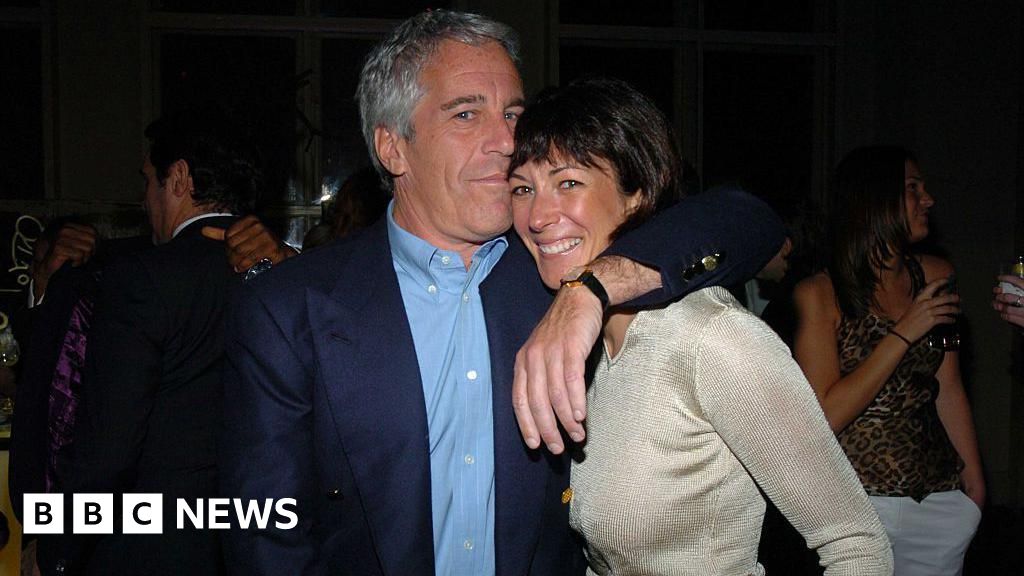
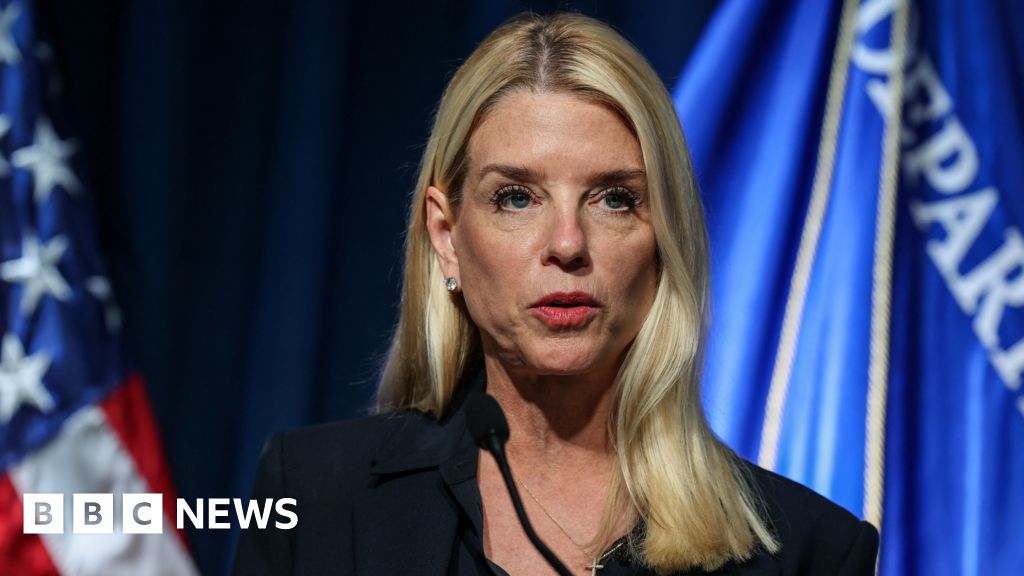
Two lawmakers are pushing to hold Attorney General Pam Bondi in contempt amid controversy surrounding the recent release of Jeffrey Epstein files. Frustrated by what they call an insufficient disclosure of thousands of documents, bipartisan criticism has erupted following Friday's partial unveiling. Many files appeared heavily redacted, fueling demands for full transparency on Epstein's network of high-profile connections.
Justice Department Explains Deletions and Vanishing Image
The Justice Department addressed the uproar, clarifying the deletion of documents from its website, including a mysteriously temporary disappearance of an image showing former President Trump with bikini-clad women. Officials attributed the removals to routine maintenance, but skeptics question the timing amid weekend queries. This incident has intensified scrutiny on the handling of sensitive Epstein materials, raising concerns about selective withholding.
Broader Implications for Accountability
The contempt threats underscore growing bipartisan pressure for unredacted access, potentially reshaping oversight of federal document releases. As investigations deepen, Bondi's responses could set precedents for future high-stakes disclosures, balancing national security with public right-to-know principles in politically charged cases.
About the People Mentioned
Pam Bondi
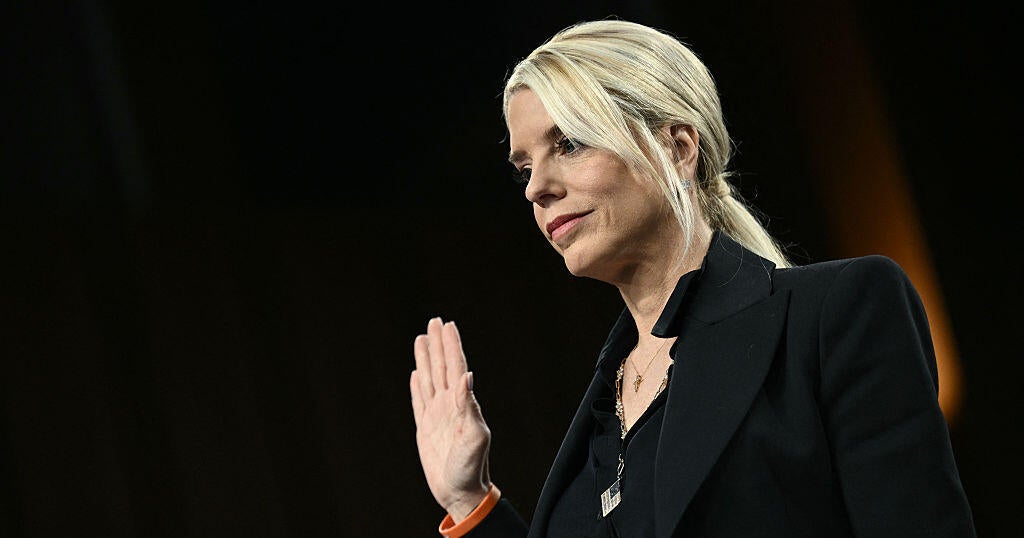
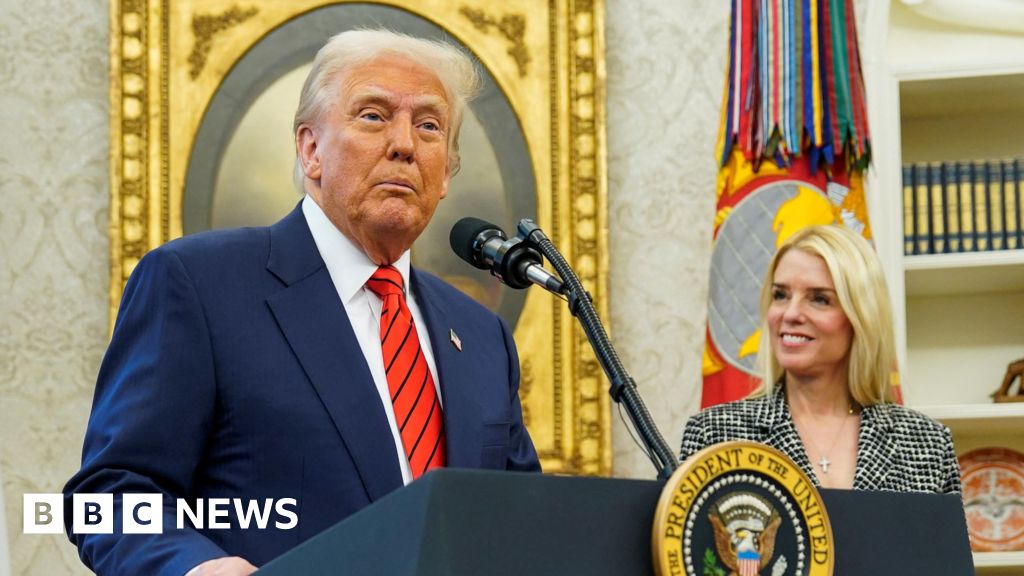
Pam Bondi is an American lawyer and politician who currently serves as the 87th Attorney General of the United States, having been sworn in on February 5, 2025. A fourth-generation Floridian from Tampa, Bondi earned a Bachelor of Arts in Criminal Justice from the University of Florida and a Juris Doctor from Stetson University College of Law. She spent more than 18 years as a prosecutor in Hillsborough County, handling cases ranging from domestic violence to capital murder. Bondi was elected Florida’s 37th Attorney General in 2010, becoming the first woman to hold the position. She served two terms from 2011 to 2019, during which she gained national recognition for her efforts to combat human trafficking, opioid addiction, and fraud. In her first legislative session, she led reforms that shut down 98 unscrupulous clinics contributing to the opioid crisis. She also chaired the Florida Statewide Human Trafficking Council and was appointed to President Trump’s Opioid and Drug Abuse Commission. Bondi played a prominent role in multistate lawsuits against pharmaceutical companies and led a legal challenge to the Affordable Care Act. She was a vocal supporter of President Donald Trump, joining the White House Counsel’s Office in 2019 and serving on the legal defense team during Trump’s first impeachment trial. After leaving public office, she became a partner at the lobbying firm Ballard Partners and held leadership roles at the America First Policy Institute. Bondi was nominated by President Trump to serve as U.S. Attorney General following the withdrawal of his initial nominee, and she was confirmed by the Senate in February 2025. Her career has been marked by a focus on criminal justice reform, public safety, and conservative legal advocacy.
Jeffrey Epstein
Jeffrey Edward Epstein (January 20, 1953 – August 10, 2019) was an American financier and convicted sex offender whose life and crimes attracted intense media scrutiny and public controversy[1][3]. Born and raised in Brooklyn, New York, Epstein initially worked as a teacher at the Dalton School in Manhattan before transitioning to a career in finance, joining Bear Stearns and later establishing his own investment firms[1][2]. He managed the wealth of billionaire Leslie Wexner, amassing significant personal fortune and cultivating a social circle that included politicians, celebrities, business leaders, and even royalty[2][3]. Epstein’s professional achievements were overshadowed by criminal allegations. In 2005, police in Palm Beach, Florida, began investigating him after a parent reported he had sexually abused her 14-year-old daughter[1]. Federal authorities later identified dozens of girls, some as young as 14, whom Epstein had allegedly abused[1][6]. In 2008, he pleaded guilty in Florida state court to procuring a child for prostitution and soliciting a prostitute as part of a controversial plea deal, serving nearly 13 months in custody with work release privileges[1][2]. Despite his conviction, Epstein avoided more severe federal charges at the time. In July 2019, Epstein was arrested again on federal charges for sex trafficking minors in Florida and New York[1][2]. While awaiting trial in a Manhattan jail, he was found dead in his cell on August 10, 2019; the medical examiner ruled his death a suicide by hanging[1][3]. The circumstances surrounding his death, including missing and modified CCTV footage, fueled widespread public skepticism and conspiracy theories[1]. In July 2025, the FBI released surveillance footage supporting the suicide ruling, though questions about the investigation persist[1]. Epstein’s case remains highly relevant due to ongoing lawsuits by his victims, investigations into his associates, and the release of thousands of previously sealed documents in early 2024 that renewed public interest in his network and alleged co-conspirators[2]. His former associate, Ghislaine Maxwell, was convicted of related charges, underscoring the lasting impact of his crimes[2]. Discussions about accountability, the influence of wealth and power, and the treatment of survivors continue to shape the public dialogue around Epstein’s legacy[2][5].
Donald Trump
Donald John Trump, born June 14, 1946, in Queens, New York, is an American businessman, media personality, and politician. He graduated from the University of Pennsylvania’s Wharton School in 1968 with a degree in economics. In 1971, he took over his family’s real estate business, renaming it the Trump Organization, through which he expanded into building and managing skyscrapers, hotels, casinos, and golf courses. Trump gained widespread fame as the host of the reality TV show *The Apprentice* from 2004 to 2015, which helped establish his public persona as a successful entrepreneur. Trump entered politics as a Republican and was elected the 45th president of the United States, serving from 2017 to 2021. His presidency was marked by significant policy actions including tax cuts, deregulation, the appointment of three Supreme Court justices, renegotiation of trade agreements (notably replacing NAFTA with the USMCA), and a focus on immigration control including border wall expansion. He withdrew the U.S. from international agreements such as the Paris Climate Accord and the Iran nuclear deal, and engaged in a trade war with China. His administration’s response to the COVID-19 pandemic was criticized for downplaying the virus’s severity. Trump was impeached twice by the House of Representatives—first in 2019 for abuse of power and obstruction, and again in 2021 for incitement of insurrection—but was acquitted by the Senate both times. After losing the 2020 election to Joe Biden, Trump challenged the results, culminating in the January 6, 2021, Capitol riot. He remains a central figure in American politics, having won the 2024 presidential election and returned as the 47th president in 2025, continuing to promote policies aimed at economic growth, border security, and military strength[1][2][3][4].
About the Organizations Mentioned
Justice Department
The United States Department of Justice (DOJ) is the principal federal agency responsible for enforcing federal laws, ensuring public safety, and protecting civil rights. Headquartered in Washington, D.C., the DOJ operates under the leadership of the Attorney General, who serves as a key member of the President’s Cabinet. As of 2025, Pam Bondi holds this position, having taken office in February and quickly shaping the department’s priorities. Established in 1870 during President Ulysses S. Grant’s administration, the DOJ’s roots trace back to the creation of the Attorney General’s office in 1789. Over the years, it has grown into a vast organization with more than 115,000 employees and over 40 component agencies, including the Federal Bureau of Investigation (FBI), Drug Enforcement Administration (DEA), and U.S. Marshals Service. The DOJ also houses specialized divisions for criminal, civil, antitrust, tax, civil rights, and national security matters, and oversees 94 U.S. Attorney offices nationwide. The DOJ’s mission centers on upholding the rule of law, safeguarding national security, and defending civil liberties. In 2025, the department has shifted its enforcement focus, prioritizing areas such as healthcare fraud, customs and tariff evasion, and corporate misconduct, especially involving foreign adversaries and financial gatekeepers. Recent policy changes have emphasized efficiency in investigations and reduced reliance on corporate compliance monitors, reflecting a broader effort to minimize regulatory burdens on businesses. Notably, the DOJ has also been tasked with reviewing past government conduct to address concerns about the “weaponization” of federal agencies, ensuring accountability and restoring public trust. For business and technology leaders, the DOJ’s evolving priorities—particularly in areas like cybersecurity, antitrust, and international trade—have significant implications for compliance, risk management, and corporate governance.