Macron Warns of Global Stability Risks in Beijing Talks
#macron #xi_jinping #multilateralism #global_stability #china_france

Macron’s Warning on Global Stability
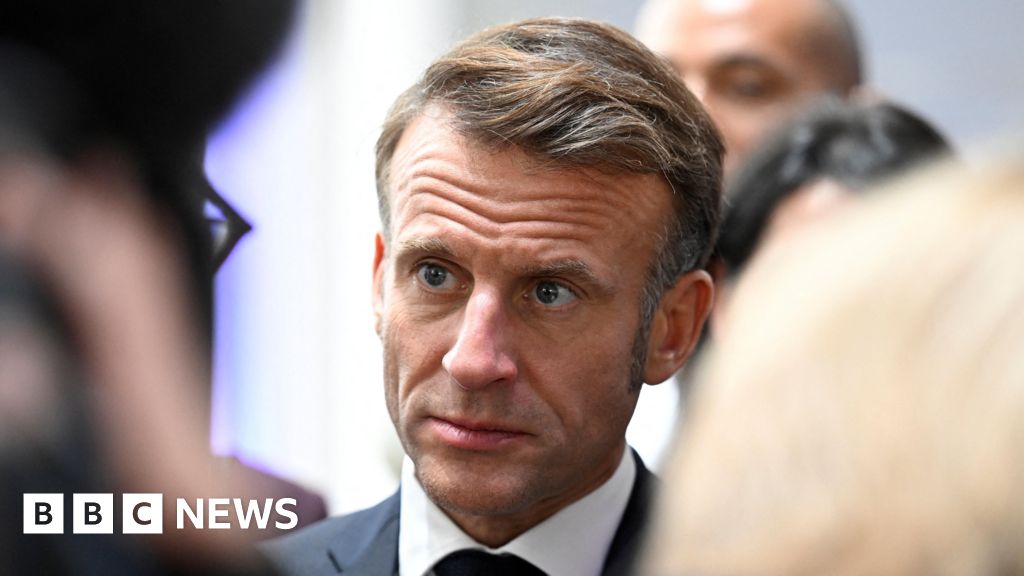
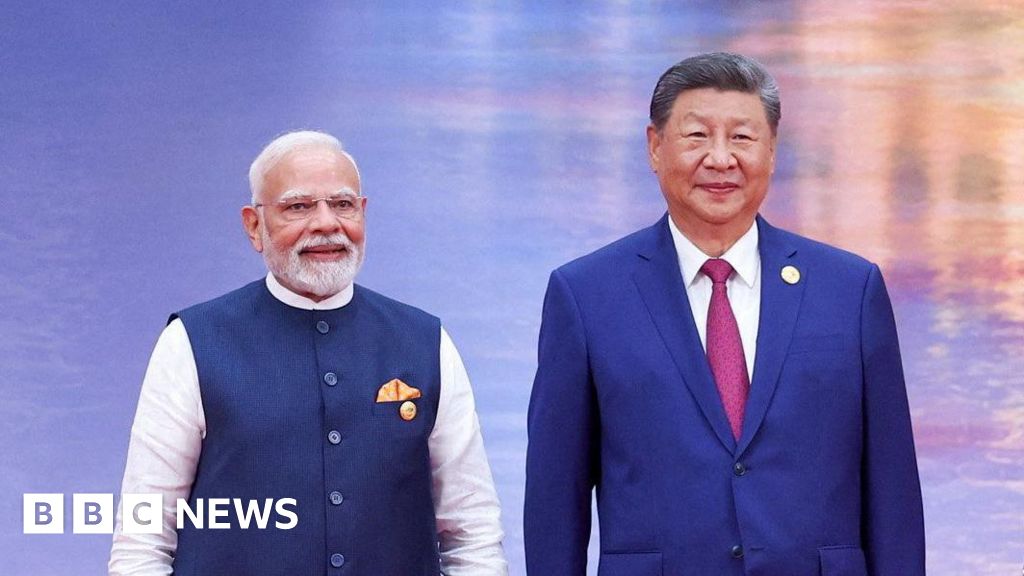
During a significant diplomatic meeting in Beijing, French President Emmanuel Macron cautioned that the current world order faces risks of “disintegration.” Speaking with Chinese President Xi Jinping, Macron emphasized the urgency of preserving international stability amid escalating trade tensions and geopolitical uncertainties.
Commitment to Multilateralism
Both leaders underscored the importance of multilateralism as a foundation for addressing global challenges. They agreed on upholding the authority of the United Nations and supporting a rules-based international trading system centered on the World Trade Organization. Macron’s visit highlights France’s intent to foster cooperation in emerging sectors such as artificial intelligence, green technologies, and biomedicine, reflecting shared interests for sustainable growth.
Strengthening China-France Relations
The talks also reinforced expanding economic ties, with bilateral trade reaching nearly $69 billion in 2025. Macron’s engagement demonstrates France’s strategic role in linking Europe and China, encouraging peaceful dialogue on complex issues like the Ukraine conflict while advancing mutual economic development.
About the People Mentioned
Emmanuel Macron
Emmanuel Jean-Michel Frédéric Macron, born December 21, 1977, in Amiens, France, is the current President of France, a position he has held since May 2017. He is the youngest president in French history, elected at age 39. Macron founded the centrist political movement La République En Marche! in April 2016, which won a majority in the 2017 legislative elections. Before his presidency, he studied philosophy and graduated from the École Nationale d’Administration (ENA) in 2004, worked at the Inspectorate General of Finance, and served in the banking sector. He entered politics as Deputy General Secretary of the Presidency in 2012 and was Minister for Economy, Industry, and Digital Affairs from 2014 to 2016[1][2][3]. During his presidency, Macron has implemented significant reforms including changes to labor laws, taxation, and the pension system. He has also prioritized the transition to renewable energy. His policies sparked widespread protests, notably the "yellow vests" movement from 2018 to 2020 and strikes against pension reforms. Macron managed France’s response to the COVID-19 pandemic, overseeing vaccination efforts and economic measures to address the recession[1]. In foreign policy, Macron has been active in reforming the European Union, strengthening ties with Germany and Italy, negotiating trade agreements with China amid the US-China trade war, and confronting security challenges including the AUKUS pact dispute. He has maintained France’s military efforts against ISIS and condemned Russia’s invasion of Ukraine[1]. Macron was re-elected in April 2022, marking the first French president in 20 years to secure a second term. His leadership continues to shape France’s domestic and international policies as of 2025[2][3][5].
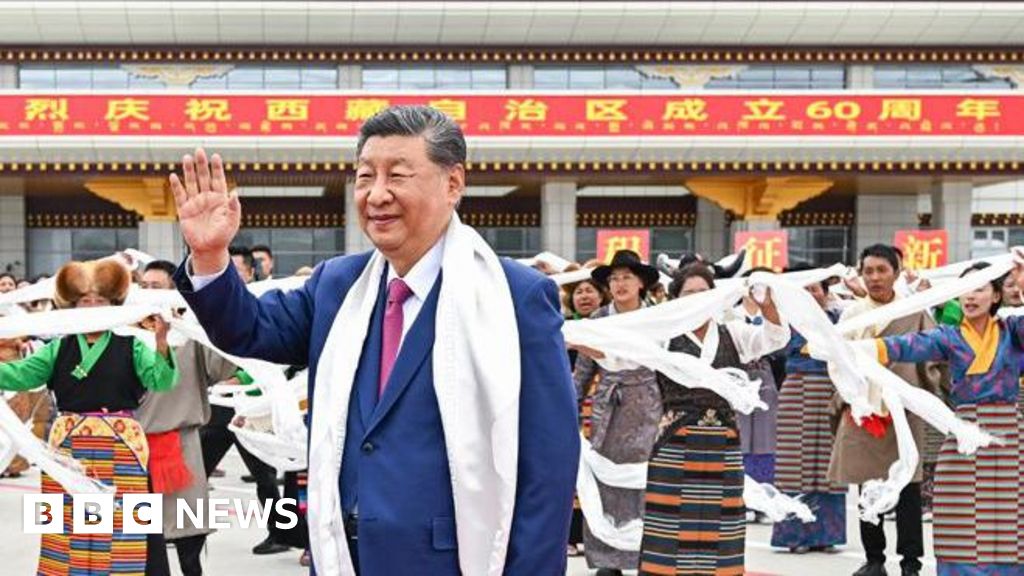
Xi Jinping
Xi Jinping is a prominent Chinese politician born on June 15, 1953, in Fuping, Shaanxi Province. He is the son of Xi Zhongxun, a veteran of the Chinese Communist Party (CCP). During the Cultural Revolution, Xi was sent to rural Yanchuan County, Shaanxi, where he eventually joined the CCP in 1974. He studied chemical engineering at Tsinghua University as a worker-peasant-soldier student and later earned a Doctor of Law degree from the university through an in-service graduate program in Marxist theory and ideological and political education[1][5]. Xi rose through the ranks of the CCP, serving as governor of Fujian from 1999 to 2002 and then as governor and party secretary of Zhejiang from 2002 to 2007. He briefly served as the party secretary of Shanghai in 2007 before joining the Politburo Standing Committee the same year. In 2012, he became the general secretary of the CCP and chairman of the Central Military Commission, marking the beginning of his tenure as China's paramount leader. Since 2013, Xi has also held the position of President of the People's Republic of China[1][3]. Under Xi's leadership, China has made significant strides in reducing poverty and curbing corruption. He has been praised for his efforts in these areas, which were highlighted in a historical resolution passed by the CCP in 2021[3]. Recent developments include Xi's re-election to a third term as general secretary of the CCP in October 2022 and his third term as president of China in March 2023, following constitutional changes that removed term limits for the presidency[3]. Xi's influence has been further solidified by the composition of the 20th Politburo Standing Committee, which consists of his loyalists[3].
About the Organizations Mentioned
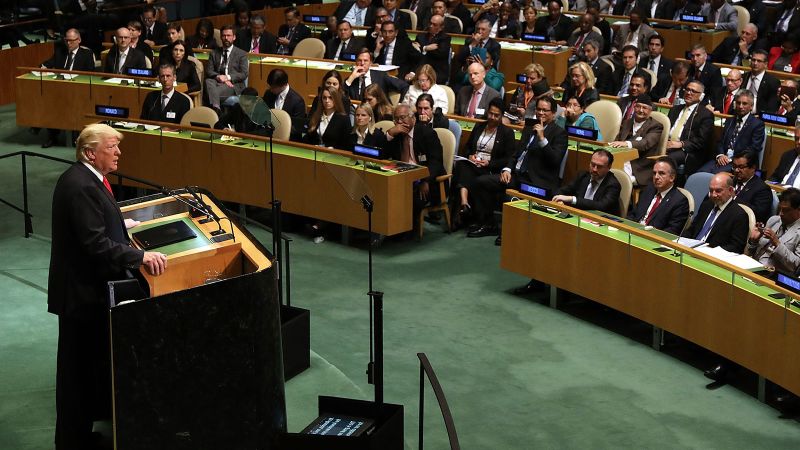
United Nations
The United Nations (UN) is a pivotal international organization established in 1945, following the devastation of World War II, with the primary goal of maintaining global peace and security, fostering international cooperation, and promoting social progress. The UN Charter, signed by 51 founding member states, including the United States, the United Kingdom, China, and the Soviet Union, laid the foundation for this ambitious endeavor[1][3]. ## History and Structure The UN was born out of the failures of its predecessor, the League of Nations, which failed to prevent World War II. Key planning meetings, such as the Dumbarton Oaks Conference in 1944, defined the UN's structure, which includes the General Assembly, the Security Council, the Economic and Social Council, the Trusteeship Council, the International Court of Justice, and the Secretariat[1][6]. The Security Council, with five permanent members (the United States, China, France, Russia, and the United Kingdom), holds significant influence due to its veto power[2]. ## Key Achievements Over the years, the UN has played a crucial role in conflict resolution, human rights advocacy, and sustainable development. Notable achievements include the establishment of the Universal Declaration of Human Rights in 1948 and the implementation of numerous peacekeeping missions worldwide[3][4]. The UN has also been instrumental in addressing global challenges such as climate change and pandemics through its various programs and agencies. ## Current Status Today, the UN comprises 193 member states, with its most recent addition being South Sudan in 2011[5]. The organization continues to evolve, addressing emerging issues like digital governance and cybersecurity. Despite challenges, the UN remains a cornerstone of international diplomacy and cooperation. ## Notable Aspects The UN's work is not limited to politics; it also impacts business and technology through initiatives that promote sustainable development and digital inclusion. Its role in setting global standards and fostering international cooperation makes it a significant player in shaping the
World Trade Organization
## Overview The World Trade Organization (WTO) is the primary international body dedicated to regulating and facilitating global trade. Established in 1995, it succeeded the General Agreement on Tariffs and Trade (GATT), which had governed trade since 1948. The WTO’s core mission is to ensure trade flows as smoothly, predictably, and freely as possible by providing a framework for negotiating trade agreements, settling disputes, and monitoring national trade policies[3]. Its headquarters are in Geneva, Switzerland. ## What the WTO Does The WTO operates through a set of rules negotiated and agreed upon by its 164 member countries. These rules cover goods, services, and intellectual property, aiming to reduce trade barriers such as tariffs, quotas, and subsidies. The organization also provides a platform for governments to negotiate trade deals and resolve disputes through a structured legal process, helping to prevent trade wars and maintain stability in the global economy[3]. Importantly, despite recent tensions, about 72% of global goods trade still operates under core WTO “most favored nation” tariff terms, underscoring the organization’s ongoing relevance[1]. ## History and Key Achievements The WTO was founded to create a more robust and enforceable system than GATT, which lacked a formal institutional structure. One of its landmark achievements is the creation of a binding dispute settlement mechanism, which has resolved hundreds of trade conflicts since 1995. The WTO has also overseen major trade liberalization rounds, such as the Uruguay Round (1986–1994), which expanded the scope of global trade rules to include services and intellectual property. ## Current Status and Challenges Today, the WTO faces significant challenges. Global merchandise trade is expected to decline slightly in 2025, partly due to rising protectionism and unilateral tariff actions by major economies[2]. The United States, under President Trump, has imposed across-the-board tariffs in 2025, heightening trade frictions and complicating multilateral cooperation within the organization