National Guard Deployment in DC: A Controversial Solution to Civil Unrest
Introduction
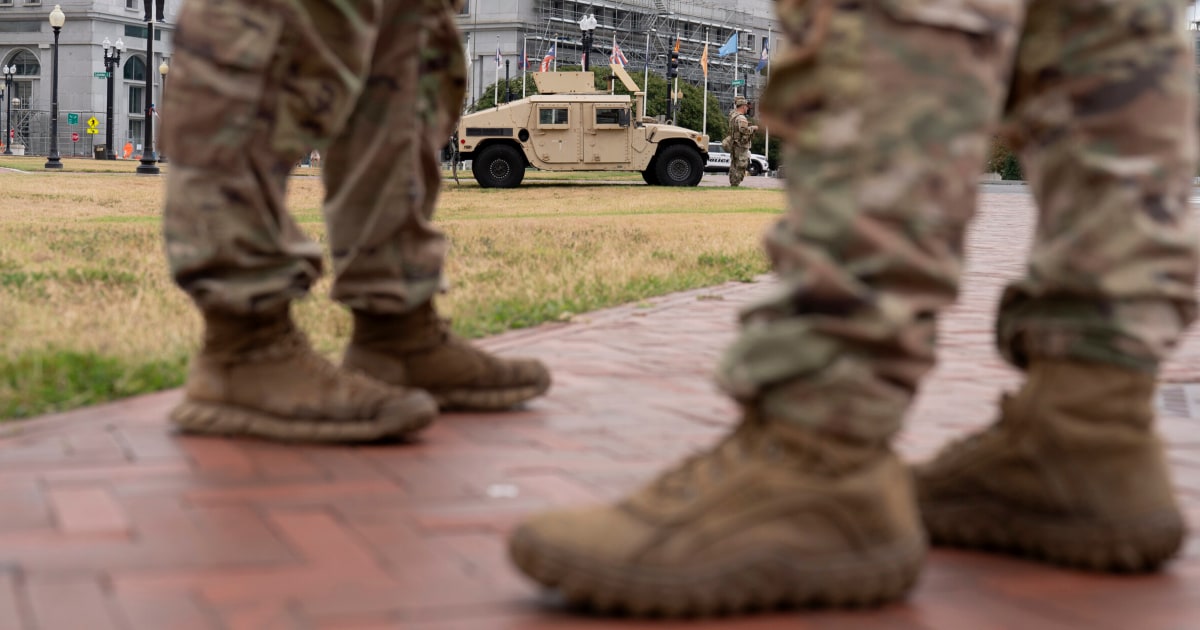
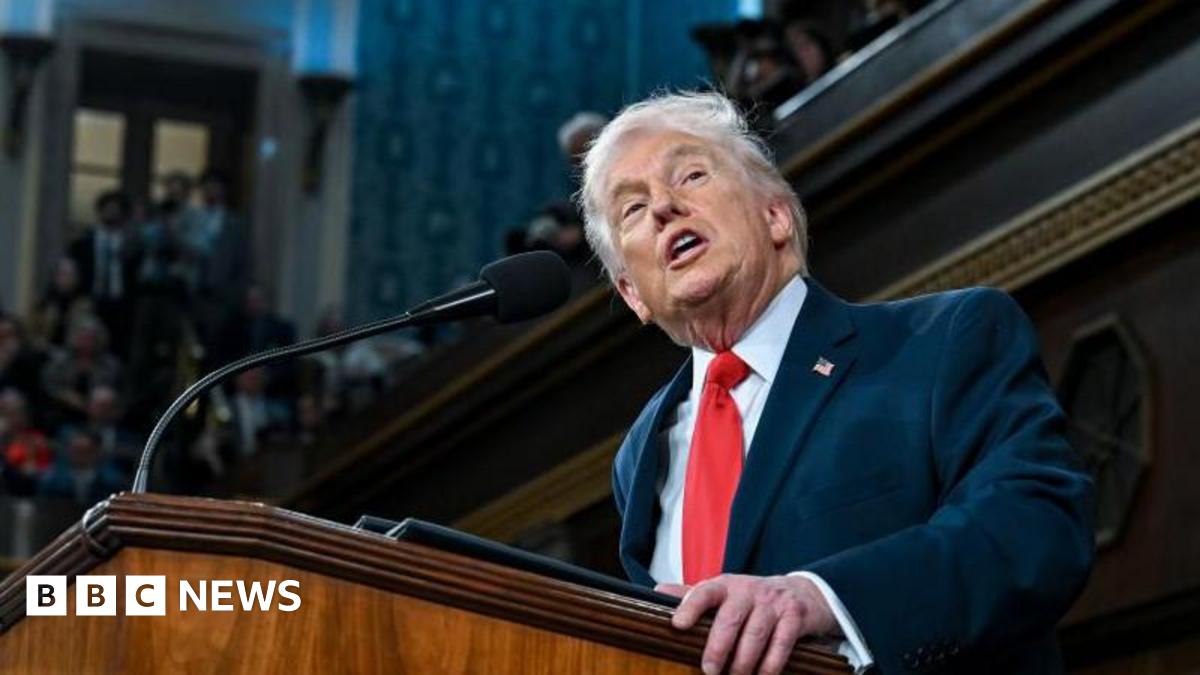
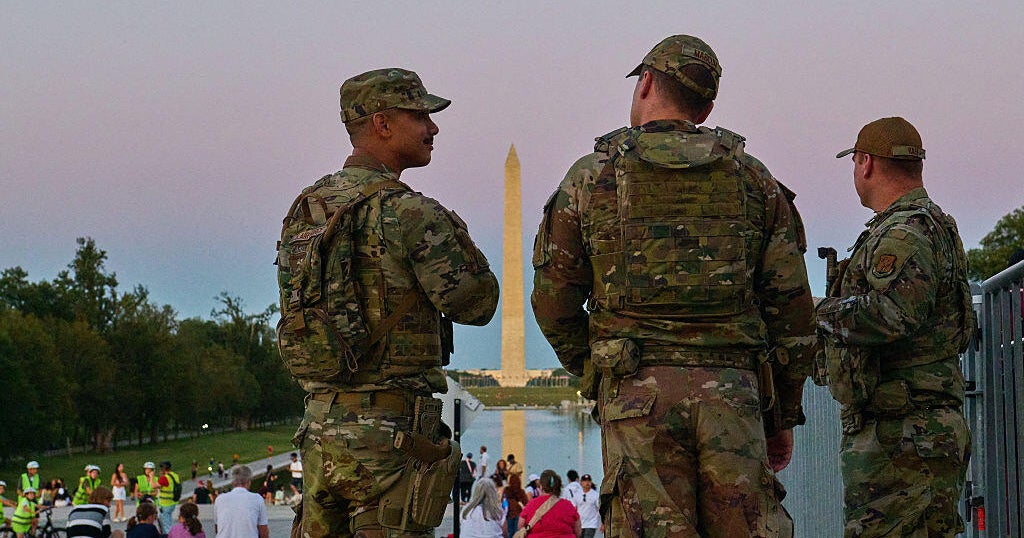
In response to the ongoing protests and civil unrest in Washington, D.C., President Trump has deployed the National Guard to the nation's capital. This decision has sparked controversy and debate, with some arguing that the presence of the National Guard may further escalate tensions. However, a recent analysis by CBS News offers a different perspective on the situation.
Key Details
CBS News analyzed crime data in D.C. during the weeks following the deployment of the National Guard, and compared it to the same time period last year. The results show a significant decrease in violent crime, with a 19% decrease in homicides and a 23% decrease in robberies. This is in stark contrast to the increase in violent crime seen in many other major cities in the U.S. during the same time frame. Additionally, the number of reported incidents of looting and property damage has also decreased since the National Guard arrived.
Impact
These numbers suggest that the presence of the National Guard has had a positive impact on the safety and security of D.C. residents. While there are still concerns about the use of military force in a civilian setting, the data shows that the National Guard may actually be helping to maintain peace and order in the city. This is important, especially as the nation continues to grapple with the current state of civil unrest and calls for police reform. It will
About the Organizations Mentioned
CBS News
CBS News is a major American broadcast news division headquartered in New York City and part of CBS Corporation, renowned as one of the "big three" U.S. networks alongside ABC News and NBC News[1][5]. It provides multi-platform news coverage across television (CBS Television Network), radio (CBS Radio News), digital streaming (CBS News Streaming Network), websites (CBSNews.com), and mobile devices, delivering original reporting, interviews, investigations, analysis, and breaking news 24/7[5][6]. Founded in 1927 initially as a radio network by Arthur Judson and later purchased in 1929 by William S. Paley, CBS transformed under Paley's leadership into a dominant media force by attracting large audiences and advertisers[2][3]. It pioneered network radio news broadcasts beginning in 1929, with a notable early commitment to interrupt programming for breaking news, exemplified by live coverage of the 1932 Lindbergh kidnapping[1]. Edward R. Murrow, hired in 1935, established CBS's legendary reputation in wartime journalism, sending correspondents across Europe during World War II[1]. CBS transitioned into television early, launching experimental broadcasts in 1931 and airing the first color broadcast in America in 1940[3]. It became a dominant television network from the mid-1950s to the mid-1970s, expanding its news programming with flagship shows like *60 MINUTES* (top-rated for 49 years), *CBS Evening News*, *Face the Nation* (the longest-running Sunday public affairs program), and *CBS News Sunday Morning*, all critically acclaimed and award-winning programs[5][6][9]. Today, CBS News excels in both traditional and digital journalism, operating 28 owned TV stations in 17 major U.S. markets and streaming globally in over 90 countries[6]. Its digital streaming platforms amassed over 1.24 billion streams in 2023, underscoring its leadership i