Netanyahu Seeks Presidential Pardon Amid Corruption Charges

Netanyahu Seeks Presidential Pardon Amid Corruption Charges
Israeli Prime Minister Benjamin Netanyahu has formally requested a pardon from the Israeli president in connection with multiple corruption cases. Facing charges that include accepting hundreds of thousands of dollars in illicit gifts, Netanyahu’s legal battles have intensified public debate and political tension across Israel.
Details of the Corruption Allegations
The three main cases accuse Netanyahu of bribery, fraud, and breach of trust, centered around his dealings with prominent businessmen and media figures. These allegations stem from investigations into gifts and favors allegedly exchanged during his terms in office. Netanyahu’s trial, ongoing since 2020, has included extensive witness testimonies and significant media coverage, highlighting the gravity of the accusations.
Political and Social Implications
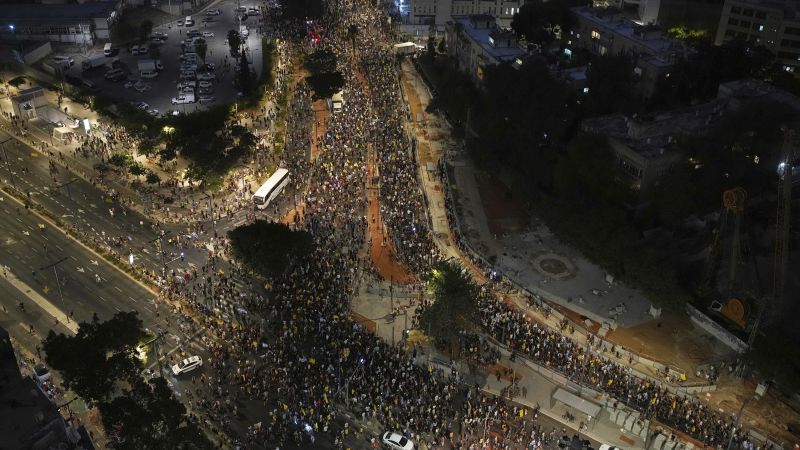
The request for a pardon underscores the high stakes of Netanyahu’s legal situation and its impact on Israeli politics. His supporters view the charges as politically motivated, while critics argue that accountability is crucial. The unfolding trial continues to shape Israel’s political landscape and public discourse.
About the People Mentioned
Benjamin Netanyahu
Benjamin Netanyahu, born on October 21, 1949, in Tel Aviv, Israel, is a prominent Israeli politician and diplomat who has served as Prime Minister of Israel three times (1996–1999, 2009–2021, and from 2022 onwards). He began his career in the Israeli military's special operations and later transitioned into politics in the late 1980s, joining the Likud party[1][2]. Netanyahu first became prime minister in 1996, during which time he signed the Hebron and Wye Accords, advancing peace efforts with the Palestinians. His administration focused on economic reforms such as government privatization, liberalizing currency regulations, and reducing deficits. After losing the 1999 election, he served as foreign minister and finance minister before reclaiming the Likud leadership in 2005[1][3][4]. Returning as prime minister in 2009, Netanyahu formed a national unity government and proposed a demilitarized Palestinian state recognizing Israel as the Jewish state, emphasizing security concerns. His tenure was marked by fluctuating peace negotiations with the Palestinians and contentious policies including settlement expansions. He also maintained a hawkish stance on Iran and supported the Iraq war[1][3][5]. In 2022, Netanyahu made a political comeback as prime minister, leading a coalition that included far-right parties. His leadership during this period has been pivotal amid the 2023–2024 Israel-Hamas conflict, with significant domestic and international implications[2]. Netanyahu is Israel’s longest-serving prime minister and remains a central figure in Israeli politics, known for his strong security policies, economic reforms, and complex role in the Israeli-Palestinian conflict. His career has been marked by both political resilience and controversy, reflecting his enduring influence on Israel’s domestic and foreign affairs[2][3][5].