Oregon and Southwest Washington Flooding Triggers Evacuations as Rivers Rise

Rain Batters Oregon and SW Washington Amid Ongoing Floods
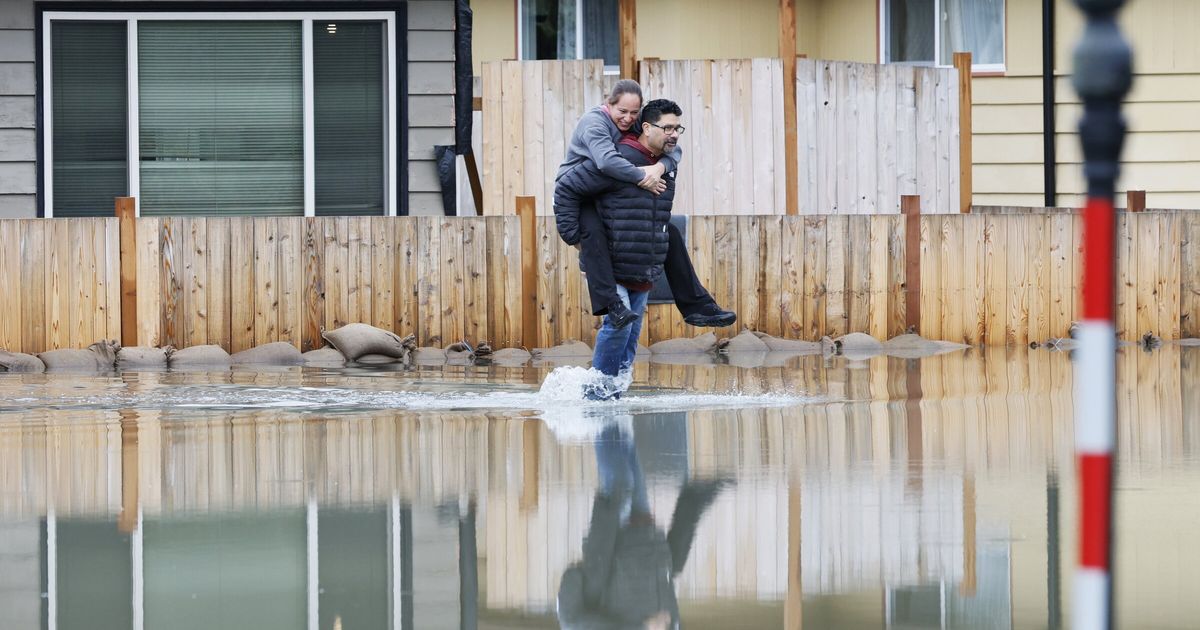
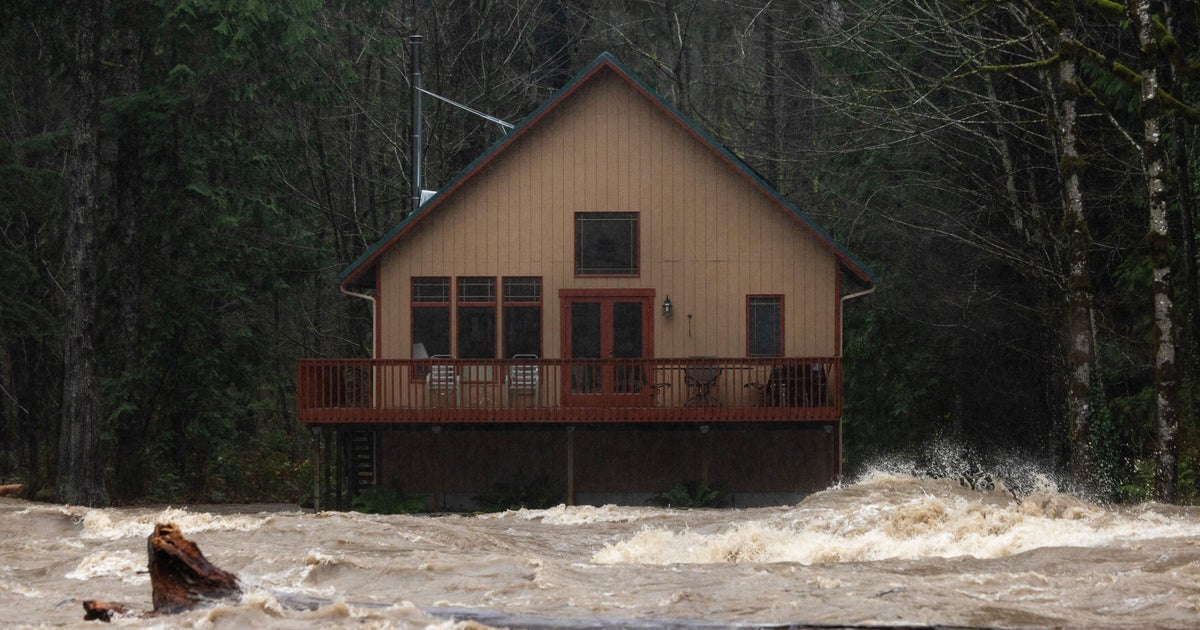
Heavy rains continue to pummel Oregon and southwest Washington, triggering flood watches along the Sandy and Clackamas rivers as water levels rise rapidly. This intense atmospheric river, stalling since early December, has dumped over seven inches in some spots, shattering records like Olympia's 3.03 inches on December 8. Road closures dot the region, stranding motorists and complicating travel.[1][2]
Rising Rivers and Emergency Responses
Areas near the Sandy and Clackamas face imminent flooding, echoing past events like the Molalla River's 2012 crest and Wilson River highs from 2015. Governor Bob Ferguson declared a state of emergency in Washington, deploying over 300 National Guard members for rescues. Evacuations impact tens of thousands, including 75,000 in Skagit County and 2,100 in Pacific after a levee breach on December 16.[1]
Impacts and Cautions Ahead
Schools canceled classes, Christmas ships were scrapped, and mudslides threaten stability. While holiday snow looms without major floods, residents should monitor updates, avoid closed roads, and prepare for more rain through New Year's. Safety remains paramount in this historic deluge.[1][2]
About the People Mentioned
Bob Ferguson
Robert Watson Ferguson, born February 23, 1965, in Seattle, is a fourth-generation Washingtonian, Democratic politician, and attorney serving as the 24th governor of Washington since January 15, 2025.[1][4][5] He earned a BA in political science from the University of Washington in 1989 and a JD from New York University School of Law in 1995, followed by clerkships for federal judges before joining the Seattle law firm Preston Gates & Ellis (now K&L Gates) as a litigator.[1][3][5] Ferguson entered public service on the King County Council from 2004 to 2013, where he championed open space preservation via the Open Space Preservation Act protecting 100,000 acres, civilian oversight of the sheriff's office, veteran health services, and bans on business with wage theft violators.[1][3] Elected Washington's 18th attorney general in 2012 with 53.5% of the vote, he was reelected in 2016 and 2020, focusing on consumer protection from fraud, environmental conservation, veteran advocacy, and equal rights.[1][2][3] Key achievements as attorney general include defending a same-sex couple's right to wedding services in a unanimous Washington Supreme Court ruling, challenging corporate fraud, opposing gun violence through assault weapon restrictions, and litigating against the Trump administration's travel ban.[1][2] He also represented taxpayers against Safeco Field cost overruns and contested anti-tax initiatives.[1] On his first day as governor, Ferguson issued executive orders reviewing housing regulations, advancing reproductive freedom, and reforming permitting processes.[1] Married to Colleen with two children, Jack and Katie, he remains active in public policy amid Washington's economic drivers like technology and aerospace.[4][5] As of early 2026, he continues leading the Evergreen State as its chief executive.[1][4]
About the Organizations Mentioned
National Guard
## Overview The National Guard is a unique component of the United States Armed Forces, serving as both a state and federal military reserve. It is divided into the Army National Guard and the Air National Guard, each functioning as the primary combat reserve for the U.S. Army and Air Force, respectively[1][5]. Unlike other military reserves, the National Guard can be activated by state governors for domestic emergencies—such as natural disasters, civil unrest, or public health crises—while also being deployable overseas by the president during national emergencies or conflicts[1][2]. This dual role makes it a critical bridge between civilian life and military service, with most members serving part-time while maintaining civilian careers or education[1][7]. ## History The National Guard traces its origins to 1636 in Salem, Massachusetts, making it the oldest military organization in the U.S.[4][6]. Initially formed as local militias for community defense, it evolved into a structured reserve force integral to every major U.S. conflict since the nation’s founding[6]. The modern National Guard was formally established by the Militia Act of 1903, which standardized training and equipment across states and created a federal role for the Guard[4]. ## Key Achievements The National Guard has been pivotal in both domestic and international crises. Domestically, Guard units have responded to hurricanes, wildfires, the COVID-19 pandemic, and civil disturbances, providing essential support to local authorities[2][6]. Internationally, Guard units have deployed to conflicts in Afghanistan, Iraq, and the Balkans, as well as peacekeeping and training missions worldwide[2][5]. The Guard’s State Partnership Program also fosters military cooperation with over 100 nations, enhancing global security partnerships[5]. ## Current Status and Notable Aspects Today, the National Guard comprises approximately 430,000 members across all 50 states, Washington, D.C., and U.S. territories[1][6]. It is overs