Postpartum Depression: The Hidden Struggle New Moms Face and Why Screening Matters

A New Mom's Overlooked Struggle
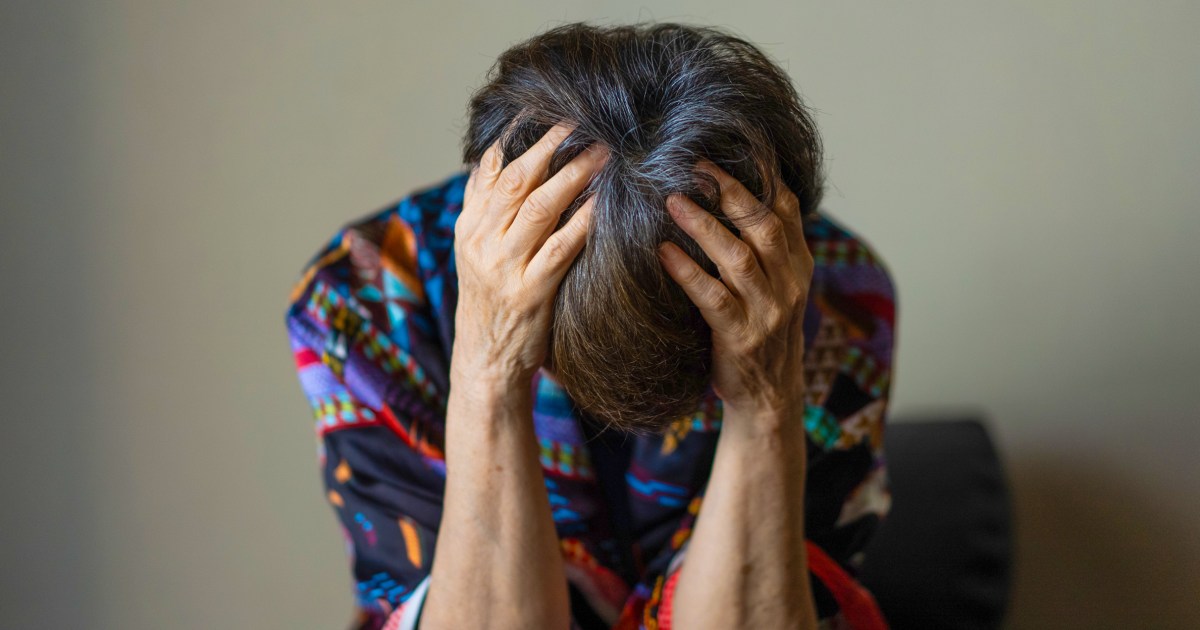
Ameilia Boodoosingh Gopie, a new mother grappling with **postpartum depression**, skipped her routine checkup amid overwhelming fatigue and baby demands. Symptoms like persistent sadness, sleep disturbances, and low energy clouded her daily life, making appointments feel impossible. Postpartum depression affects up to 7% of women in the first year after birth, often mimicking baby blues but lasting over two weeks with severe impacts on mood and bonding.[2][1]
An Unexpected Turn at the Clinic
During an unrelated visit for minor complaints, her doctor probed deeper, using tools like the Edinburgh Postnatal Depression Scale. What began as a simple consultation uncovered hidden signs: irritability, appetite changes, and intrusive thoughts. This serendipitous screening ruled out thyroid issues and confirmed depression, highlighting how busy schedules delay detection.[4][1]
Lessons for Maternal Health
Ameilia's story stresses prioritizing mental health screenings, even casually. Early intervention through therapy or medication transforms outcomes for moms and babies, preventing long-term emotional strain. New parents, seek help promptly—unexpected visits can save lives by revealing what routine ones miss.[5][3]
About the People Mentioned
Ameilia Boodoosingh Gopie
Ameilia Boodoosingh Gopie is a mother from an unspecified location who gained public attention through her personal health story involving her daughter.[1][5] In August 2022, she gave birth to her first daughter and experienced unexpected deep postpartum depression in the following months.[1][2][3][5] Gopie's story centers on her daughter's medical challenges: an infected cut led to a devastating diagnosis requiring blood transfusions that saved the child's life on two occasions.[1][6][8] Postpartum depression and a demanding home life initially prevented Gopie from attending her own regular medical appointments, complicating her situation.[6][8] Her experience with these crises inspired her to become a regular blood donor, transforming a personal ordeal into a commitment to helping others.[1] No information is available on professional roles, academic achievements, or broader public positions for Gopie; she appears primarily known through family health narratives shared in media outlets.[1][2][3][5][6][8] A possible relative, Annika Boodoosingh, appears on a 2023 academic honors roll at an unspecified institution, but no direct connection is confirmed.[4] As of recent reports, Gopie remains relevant as an advocate by example for blood donation and maternal mental health awareness, with her story recirculated in articles on transplants, rare conditions, and personal resilience.[1][2][3][6][8] No specific recent events post-2023 are detailed in available sources. (248 words)