Schizophrenia Diagnosis Could Reshape Nick Reiner Murder Case
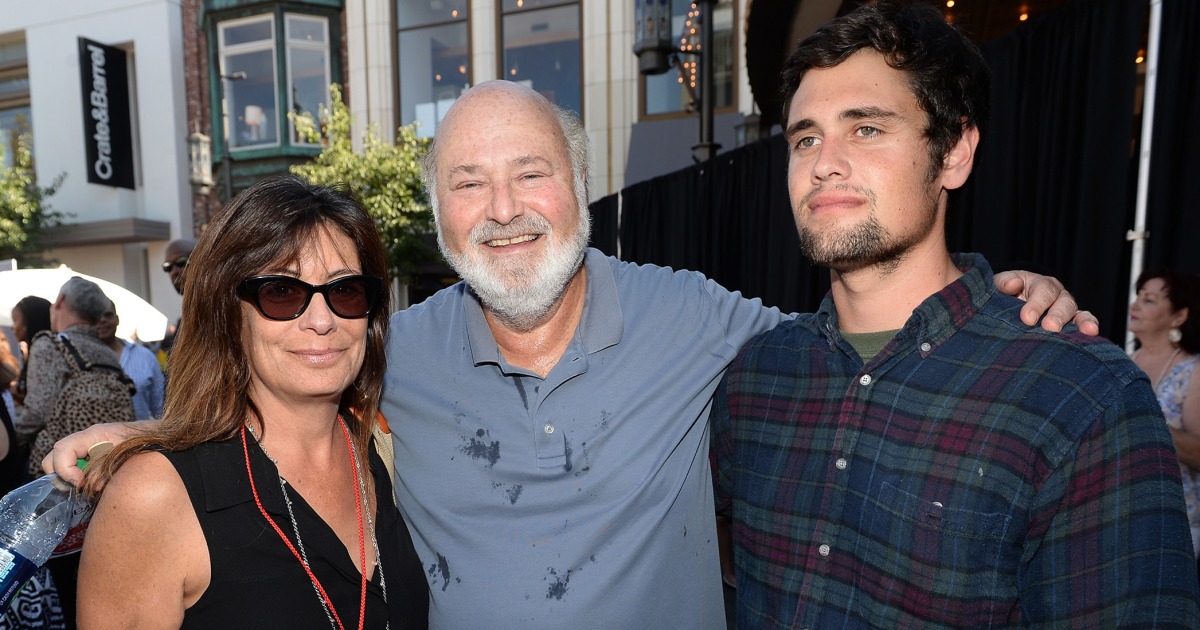
Tragic Revelation in Nick Reiner Case
Shocking details have emerged in the case of Nick Reiner, the 32-year-old son of Hollywood icons Rob Reiner and Michele Singer Reiner, who faces two counts of first-degree murder for allegedly stabbing his parents to death. Sources reveal Nick was diagnosed with schizophrenia shortly before the horrific incident, and his medication was in the process of being adjusted at the time.[1][2]
Mental Health and Legal Ramifications
This bombshell diagnosis could dramatically alter the trajectory of Nick's defense. Legal experts suggest it opens doors to an insanity plea or arguments mitigating charges from first-degree to second-degree murder, hinging on his mental state during the crime. Prosecutors will scrutinize whether Nick possessed the intent required for premeditated murder amid his untreated symptoms and medication transition.[1]
Broader Implications for Society
The case underscores critical gaps in mental health support, especially for high-profile families navigating schizophrenia. As Nick awaits arraignment on January 7 without bail, it prompts urgent discussions on timely intervention, medication stability, and destigmatizing severe psychiatric conditions to avert tragedies.[1][2]
About the People Mentioned
Rob Reiner
Rob Reiner was an American actor, director, producer, and activist best known for his role as Michael “Meathead” Stivic on the 1970s sitcom All in the Family and for directing several widely admired films from the 1980s onward. Reiner won two Primetime Emmy Awards for his supporting role on All in the Family, which brought him national recognition as an actor[4][5]. He transitioned to filmmaking and directed the cult mockumentary This Is Spinal Tap (1984), the coming‑of‑age drama Stand by Me (1986), the fantasy romance The Princess Bride (1987), and the romantic comedy When Harry Met Sally… (1989), among others; these films are frequently cited as culturally influential and commercially successful entries in their genres[1][5]. Reiner’s later directorial credits include the psychological thriller Misery (1990) and the courtroom drama A Few Good Men (1992)[1][5]. In 1987 Reiner co‑founded Castle Rock Entertainment, a production company that produced many notable films and helped establish his role as a producer in addition to director[2][5]. His career earned both critical acclaim and mainstream box‑office success, and several of his films received awards recognition[1][5]. Outside entertainment, Reiner was active in public life: he served as founding chair of First 5 California, an agency focused on early‑childhood programs, and he and his wife Michele were prominent supporters of LGBTQ+ rights, including work with the American Foundation for Equal Rights during campaigns to overturn same‑sex marriage bans[4]. In later years he continued producing and appeared in occasional acting roles while speaking publicly on political and social issues[3][4]. Recent coverage of Reiner has reflected on his long career and continued public engagement, including producing work and politically themed projects through the 2010s and 2020s[3][7].