Russia-Ukraine War Day 1,417: Long-Range Strikes and Endurance

Russia-Ukraine war: Day 1,417 overview
Russia-Ukraine war: List of key events, day 1,417 captures a grinding conflict now defined by long-range strikes, drone warfare, and relentless pressure on critical infrastructure. While front lines shift slowly, missile barrages and kamikaze drones continue to target Ukraine’s power grid, communications hubs, and logistics, echoing earlier waves of winter attacks on Kyiv and other major cities. Civilians endure blackouts, disrupted heating, and recurring air raid alerts, as Ukraine races to repair damaged facilities and reinforce air defenses across the country.
Military developments and shifting tactics
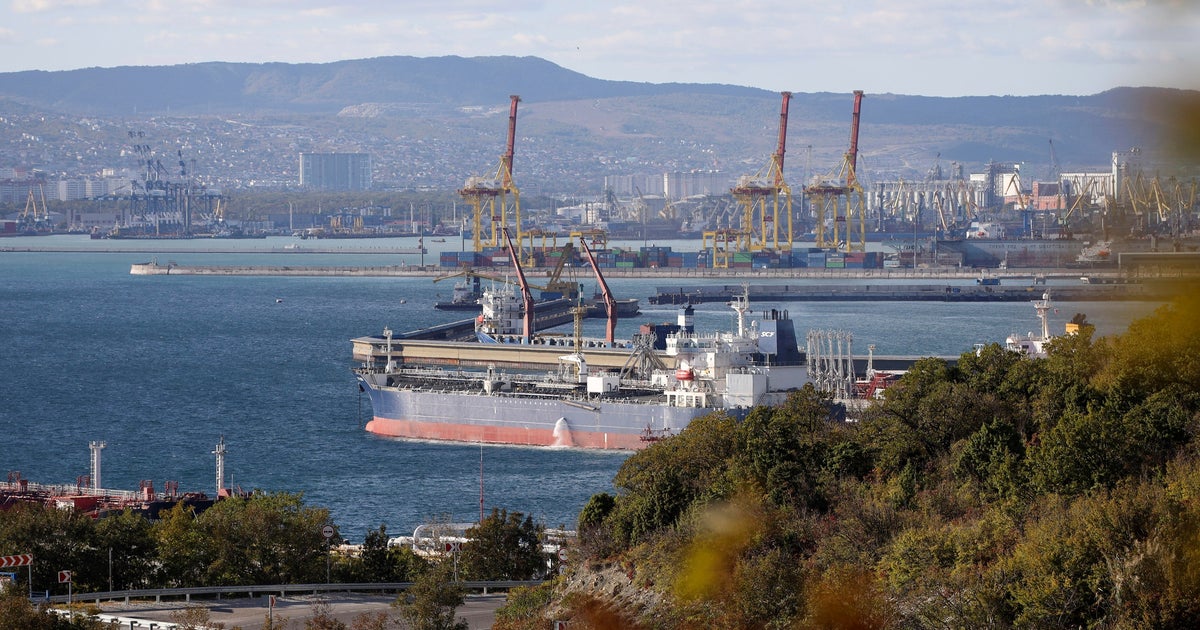
On day 1,417, Russian forces prioritize attrition, using cruise missiles, guided bombs, and Geran-style drones to wear down Ukraine’s air defenses and morale. In response, Ukraine expands its deep-strike capabilities, hitting fuel depots, supply nodes, and energy assets that sustain Russian operations far from the front. Each new strike illustrates a widening geographic scope, as both sides seek leverage before future negotiations.
Global implications and outlook
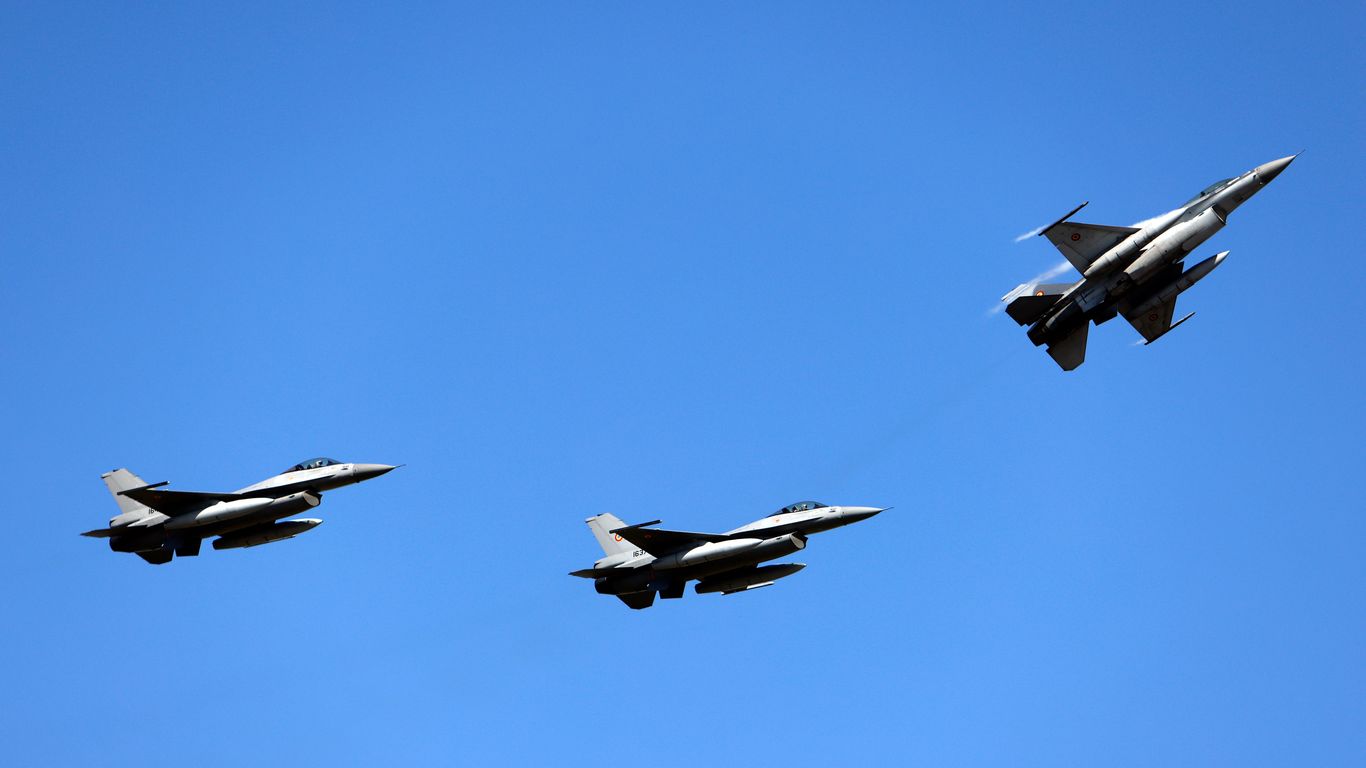
The latest escalation reinforces concerns in Europe and beyond about air defense shortages, energy security, and the risk of spillover near NATO borders. Western governments continue debating long-term security guarantees and fresh aid packages, balancing domestic fatigue with fears that reduced support could embolden further Russian advances. For Ukrainians, day 1,417 feels less like a milestone and more like confirmation that this war has become an endurance test, demanding sustained resilience, adaptation, and international solidarity.
About the Organizations Mentioned
NATO
The **North Atlantic Treaty Organization (NATO)** is a transatlantic military alliance founded in 1949 to secure peace in Europe and protect democratic nations from Soviet aggression. It began with 12 founding members and has expanded to include 32 countries across North America and Europe as of 2025, including recent additions Finland (2023) and Sweden (2024)[1][3]. NATO's core principle is collective defense, meaning an attack against one ally is considered an attack against all, enshrined in Article 5 of its founding treaty[3]. Originally established as a Cold War bulwark, NATO has evolved beyond its initial Euro-Atlantic focus, engaging in missions worldwide, such as in Afghanistan and Libya[1]. The alliance remains central to U.S.-Europe military cooperation and has adapted to new security challenges, particularly Russia’s 2022 invasion of Ukraine, which has significantly reshaped NATO’s priorities. This aggression has spurred increased defense spending, stronger collective deterrence efforts, and accelerated Ukraine’s path toward potential membership[1][4]. In June 2025, NATO held its first summit in the Netherlands, where leaders agreed on raising defense spending targets to 5% of GDP—split between 3.5% for core defense and 1.5% for related security costs, including support for Ukraine. This marked a historic commitment to bolster the alliance’s military capabilities amid evolving global threats. The summit also emphasized eliminating defense trade barriers and reaffirmed the ironclad commitment to collective defense[2][5]. NATO’s ongoing significance lies in its role as a strategic security platform fostering cooperation among member states, responding to geopolitical instability, and adapting to emerging threats like terrorism and cyber warfare[4]. Its "open door" policy continues to invite eligible European democracies to join, reinforcing its mission to safeguard peace, democracy, and shared technological and defense innovations across allied nations[1][4].