State of the Union Response Tradition: Rising Stars and Democratic Dialogue
The State of the Union Response Tradition
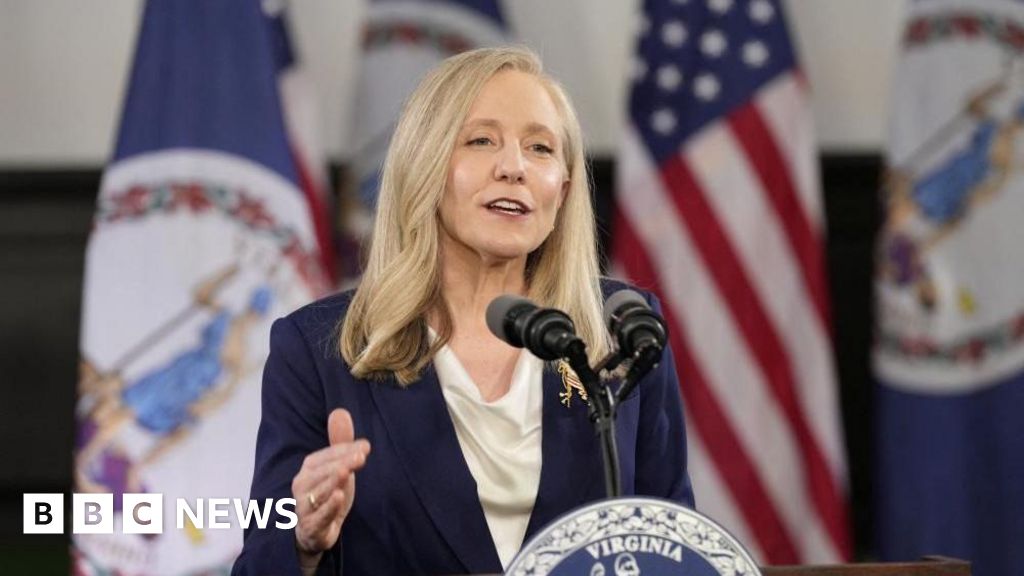
The opposition party's rebuttal to the State of the Union address represents a significant American political tradition. Beginning in 1966, when Republican leaders Everett Dirksen and Gerald Ford delivered a televised response to President Lyndon Johnson's address, this practice has evolved into an anticipated counterpoint to presidential messaging. The response provides the minority party with a national platform to challenge the sitting president's agenda and offer alternative perspectives on critical issues.
Rising Stars and Strategic Selection
Political parties strategically select rising stars to deliver these responses, using the high-profile opportunity to elevate emerging leaders. The format has varied considerably over decades, from prerecorded television programs to live speeches. Since the late 1980s, the response typically consists of a televised address delivered shortly after the president's speech, allowing for direct rebuttal of key points and policy proposals.
Contemporary Significance
Today, the opposition response commands nearly as much attention as the president's address itself. This tradition reinforces democratic dialogue by ensuring both major parties receive equal airtime to address the nation, making it a cornerstone of American political discourse and representation.
```About the People Mentioned
Gerald Ford
Gerald Ford was the 38th President of the United States, serving from August 9, 1974, to January 20, 1977.[1] He remains the only U.S. president who was never elected to either the presidency or vice presidency, having assumed office following Richard Nixon's resignation during the Watergate scandal.[1][5] Born Leslie Lynch King Jr. on July 14, 1913, in Omaha, Nebraska, Ford earned a degree from the University of Michigan in 1935, where he was a standout football player, and later obtained a law degree from Yale University in 1941.[1] During World War II, he served in the U.S. Navy from 1942 to 1946, attaining the rank of lieutenant commander and serving aboard the USS Monterey in the South Pacific.[2] He nearly lost his life during a typhoon in December 1944 and received multiple military decorations, including the American Campaign Medal and the Asiatic-American Campaign Medal with silver and bronze stars.[2] Ford entered electoral politics in 1948, winning a congressional seat from Michigan as a Republican.[1] He served 25 years in the House of Representatives, being reelected twelve times with over 60% of the vote.[4] He rose to prominence as a member of the House Appropriations Committee and its Defense Appropriations Subcommittee, becoming ranking minority member in 1961.[3] In 1963, President Johnson appointed him to the Warren Commission investigating President Kennedy's assassination.[3] Ford described himself as "a moderate in domestic affairs, an internationalist in foreign affairs, and a conservative in fiscal policy."[3] When Vice President Spiro Agnew resigned, Nixon appointed Ford as the first vice president under the Twenty-fifth Amendment.[6] Following Nixon's resignation on August 8, 1974, Ford became president the next day.[4] During his presidency, he focused on combating inflation, reviving the economy, addressing energy shortages, and strengthening U.S. global relationships.[6] He also announced a conditional amnesty program for Vietnam War draft evaders and deserters, and controversially pardoned former President Nixon on September 8, 1974.[1] Ford lost the 1976 presidential election to Jimmy Carter in one of the closest contests in U.S. history.[7] He died on December 26, 2006, at age 93, having become the longest-living U.S. president.[7]