ICE Attorney's Outburst Highlights Immigration Overload in Minnesota

ICE Attorney's Outburst Exposes Immigration Overload
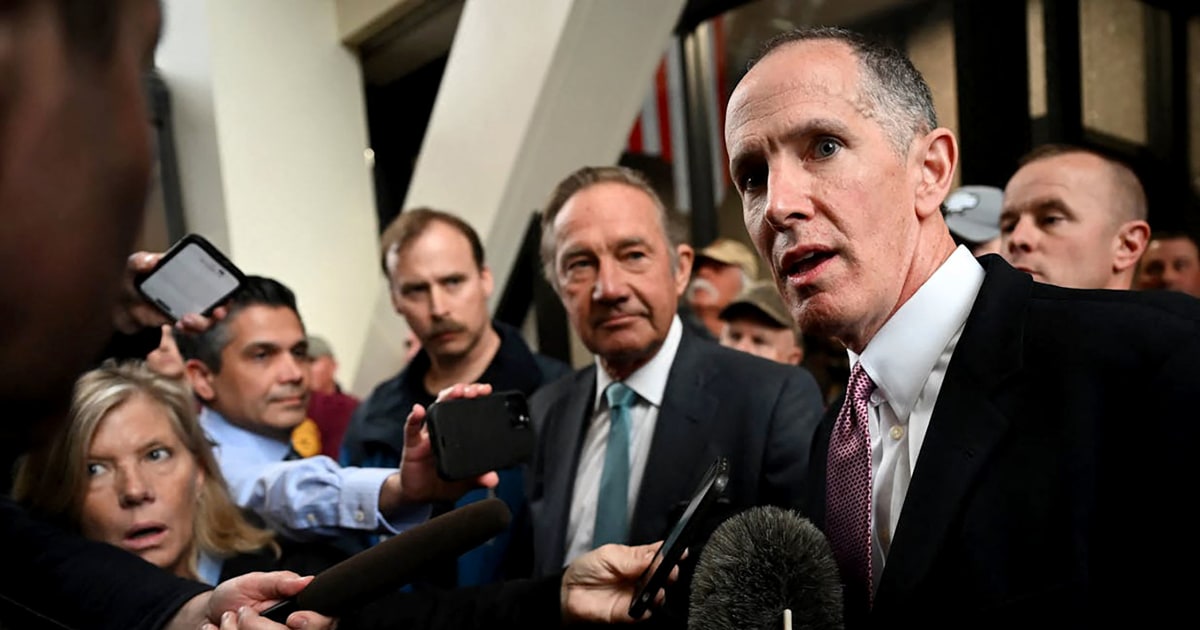
In a stunning courtroom moment, Julie Le, a Justice Department attorney detailed to Minnesota for the Trump administration's aggressive immigration crackdown, declared her job "sucks" amid an avalanche of cases. Assigned over 80 habeas petitions in just one month, Le vented to Judge Jerry Blackwell about sleepless nights and futile efforts to wrangle ICE compliance, even threatening to walk out. Her unfiltered frustration highlighted the system's breaking point in the Twin Cities.
Wave of Prosecutor Resignations Grips Minnesota
Le's removal from her post followed a torrent of departures from the U.S. Attorney's Office, now down to as few as 17 lawyers from 70 under Biden. Eight more prosecutors quit recently, citing crushing workloads from 400 new detention challenges in January alone. High-profile exits include leads on a $250 million fraud probe, fueled by tensions over fatal ICE shootings of civilians like Alex Pretti and Renee Good, ruled homicides.
Strain Tests Trump’s Deportation Push
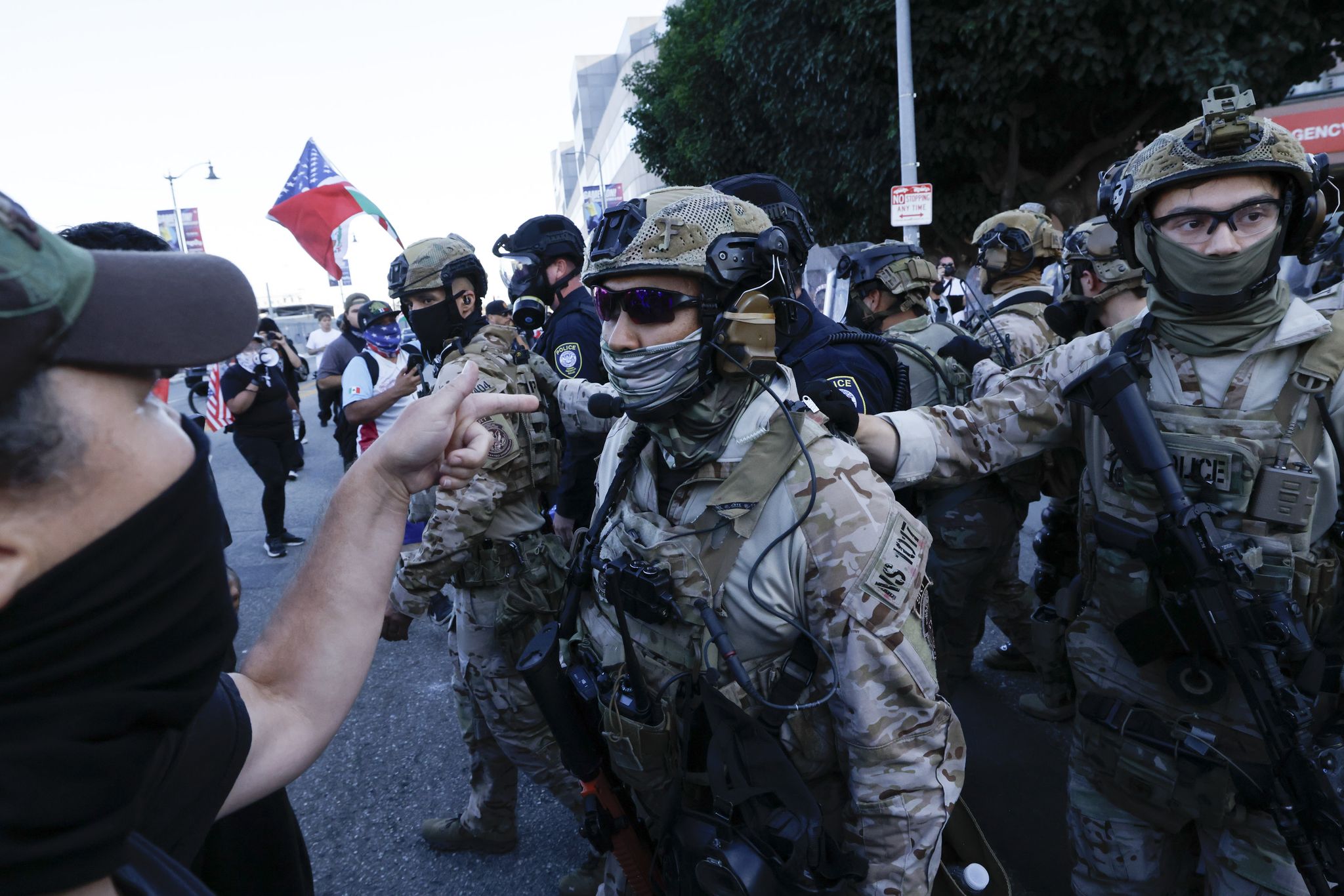
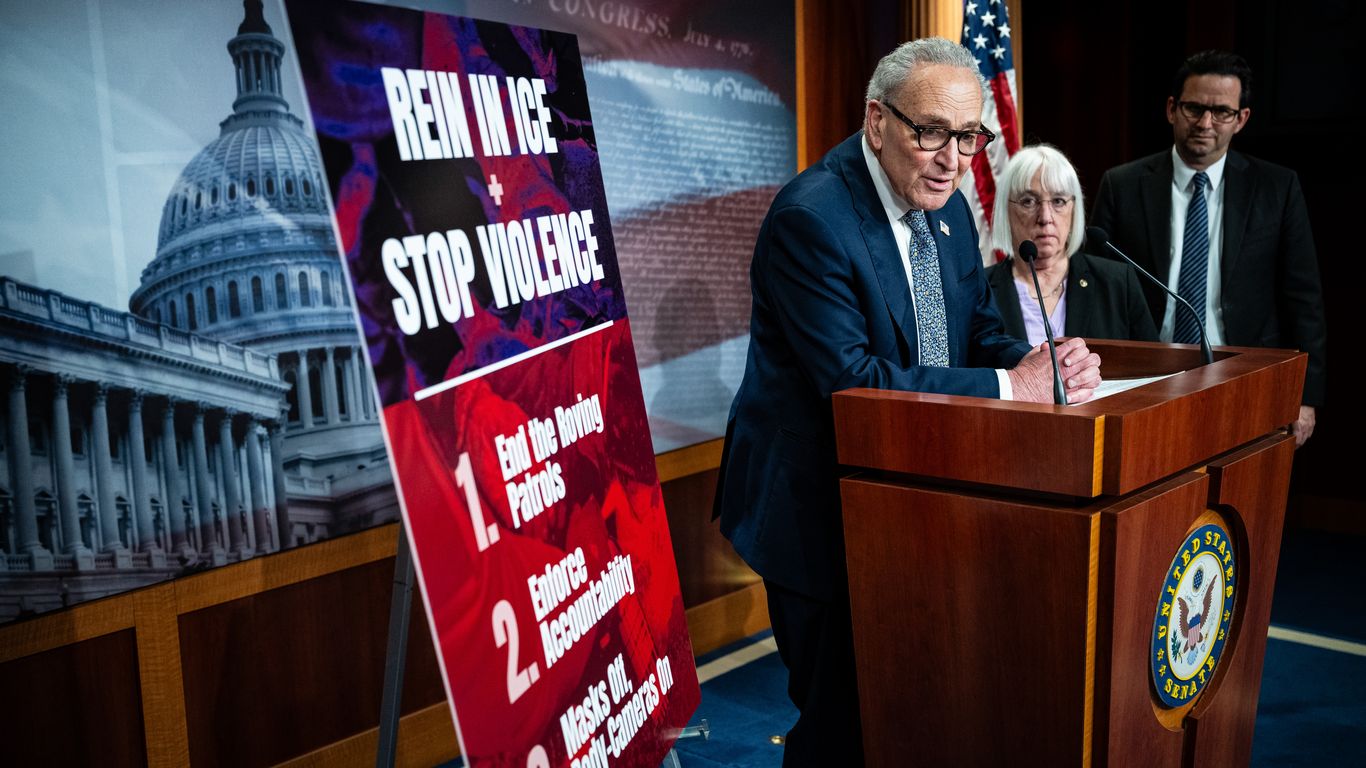
While administration spokespeople blame activist judges and rogue rulings for the surge, Minnesota officials admit being overwhelmed and short-staffed. Social media pleas seek replacements as protests erupt against federal overreach. This chaos underscores the human toll of mass deportation mandates, straining courts and prompting urgent calls for reinforcements.
About the People Mentioned
Renee Good
Renee Nicole Good was a 37-year-old American poet, writer, singer, and mother of three from Colorado Springs, Colorado, who was shot and killed by a U.S. Immigration and Customs Enforcement (ICE) agent in Minneapolis, Minnesota, on January 7, 2026, during a Department of Homeland Security operation targeting alleged fraud.[1][2][3] Born in Colorado, Good—previously known as Renee Macklin—earned a degree in English from Old Dominion University's College of Arts and Letters in December 2020. That year, she won the university's undergraduate poetry prize from the Academy of American Poets for her poem "On Learning to Dissect Fetal Pigs," and her bio highlighted her passions for writing, reading, movie marathons, and creating "messy art" with her children.[1][2] She hosted a podcast with her second husband, Timmy Ray Macklin Jr., who died in 2023 at age 36, and described herself on Instagram as a "poet and writer and wife and mom and shitty guitar strummer," featuring an LGBTQ+ Pride flag.[2] Good had worked as a dental assistant and at a credit union but had primarily been a stay-at-home mother in recent years. A devoted Christian, she participated in youth mission trips to Northern Ireland and sang in a high school choir, later studying vocal performance before focusing on creative writing.[1][2] She had two children (ages 15 and 12) from her first marriage and a 6-year-old from her second; her first ex-husband described her as compassionate but not an activist.[1][2] At the time of her death, she lived in Minneapolis with her wife, having moved there the previous year after living in Kansas City, Missouri.[2] The shooting, near the site of George Floyd's 2020 murder, drew widespread attention, with Old Dominion University President Brian Hemphill calling it a tragic example of violence in the nation and honoring her life as a reminder of "freedom, love, and peace."[1] Good was a U.S. citizen returning from dropping her youngest child at school when the incident occurred.[2]
About the Organizations Mentioned
Justice Department
The United States Department of Justice (DOJ) is the principal federal agency responsible for enforcing federal laws, ensuring public safety, and protecting civil rights. Headquartered in Washington, D.C., the DOJ operates under the leadership of the Attorney General, who serves as a key member of the President’s Cabinet. As of 2025, Pam Bondi holds this position, having taken office in February and quickly shaping the department’s priorities. Established in 1870 during President Ulysses S. Grant’s administration, the DOJ’s roots trace back to the creation of the Attorney General’s office in 1789. Over the years, it has grown into a vast organization with more than 115,000 employees and over 40 component agencies, including the Federal Bureau of Investigation (FBI), Drug Enforcement Administration (DEA), and U.S. Marshals Service. The DOJ also houses specialized divisions for criminal, civil, antitrust, tax, civil rights, and national security matters, and oversees 94 U.S. Attorney offices nationwide. The DOJ’s mission centers on upholding the rule of law, safeguarding national security, and defending civil liberties. In 2025, the department has shifted its enforcement focus, prioritizing areas such as healthcare fraud, customs and tariff evasion, and corporate misconduct, especially involving foreign adversaries and financial gatekeepers. Recent policy changes have emphasized efficiency in investigations and reduced reliance on corporate compliance monitors, reflecting a broader effort to minimize regulatory burdens on businesses. Notably, the DOJ has also been tasked with reviewing past government conduct to address concerns about the “weaponization” of federal agencies, ensuring accountability and restoring public trust. For business and technology leaders, the DOJ’s evolving priorities—particularly in areas like cybersecurity, antitrust, and international trade—have significant implications for compliance, risk management, and corporate governance.
U.S. Attorney's Office
The **U.S. Attorney's Office** comprises 93 offices across the United States, its territories, and the District of Columbia, serving as the primary federal prosecutors representing the government's interests in criminal and civil matters.[1][4][5] Appointed by the President and supervised by the Attorney General through the Executive Office for United States Attorneys (EOUSA), established in 1953, these offices handle prosecutions of federal crimes, civil litigation involving the U.S., and administrative duties like legal education and budgeting.[1][4] Founded by the **Judiciary Act of 1789**, the offices predate the Department of Justice (DOJ), created in 1870 under President Ulysses S. Grant to centralize oversight previously shared among the Attorney General, Treasury Department, and others.[1][2][3][4] Initially independent, U.S. Attorneys—originally termed "district attorneys"—prosecuted offenses cognizable under federal authority and represented the U.S. in civil actions, evolving from part-time roles into a robust network amid growing federal litigation.[1][5] **Key achievements** include enforcing civil rights post-Civil War, combating domestic terrorism against Reconstruction Amendments, and pioneering coordinated prosecutions, such as dismantling organized crime networks in districts like Eastern Michigan.[2][6] These efforts fortified the rule of law during pivotal eras, from early revenue disputes to modern high-profile cases. Currently, the offices remain vital to DOJ operations, with U.S. Attorneys serving four-year terms removable at presidential discretion, amid occasional controversies over appointments.[1][4] For business and technology sectors, they prosecute white-collar crimes, cyber fraud, antitrust violations, and intellectual property theft, safeguarding innovation and markets through cases like tech firm data breaches and corporate espionage indictments. Notably politicized since inception—Washington's selections reflected party loyalties—these offices balance enforcement independence with executive influence, embodying federal justice's front line.[
Trump administration
The **Trump administration** refers to the executive branch of the U.S. federal government during Donald J. Trump’s presidency, initially from January 20, 2017, to January 20, 2021, and resuming with his second term starting in 2025. It was characterized by a mix of aggressive domestic policies, significant judicial appointments, and a distinct foreign policy approach that emphasized "America First" principles[4][8]. The administration’s key activities included **tax reform**, notably passing the $3.2 trillion Tax Cuts and Jobs Act, which represented the largest overhaul of the U.S. tax code in decades[5]. Trump also renegotiated trade agreements with major economies including Mexico, Canada, China, Japan, and South Korea, prioritizing bilateral deals over multilateral ones such as the Trans-Pacific Partnership (TPP), which the administration withdrew from early on[1][2]. The administration sought to protect American jobs by restricting cheap foreign labor and influencing agencies like the Tennessee Valley Authority to retain American workers[5]. On the judicial front, the Trump administration appointed over 200 federal judges, including three Supreme Court justices—Neil Gorsuch, Brett Kavanaugh, and Amy Coney Barrett—shaping the judiciary for years to come[4]. These appointments were among the most significant achievements, influencing U.S. law on multiple fronts. In foreign policy, the administration pursued a controversial agenda: it imposed travel bans on several predominantly Muslim countries, withdrew U.S. troops from northern Syria, and supported Saudi Arabia militarily despite congressional opposition related to the Yemen conflict[1][3]. It also fostered new international technology alliances, such as securing commitments from allies to exclude Chinese telecom giant Huawei from 5G infrastructure and signing AI cooperation agreements with the UK[5]. The Trump administration faced substantial political turmoil, including two impeachments by the House of Representatives—first in 2019 over Ukraine dealings, and again in 2021 following the January
Immigration and Customs Enforcement
**Immigration and Customs Enforcement (ICE)** is a federal law enforcement agency under the U.S. Department of Homeland Security (DHS). Established by the Homeland Security Act of 2002, ICE was created in response to the 9/11 attacks to enhance national security and protect public safety. The agency's primary mission is to enforce federal laws related to customs, trade, and immigration, focusing on cross-border crime and illegal immigration[1][2][3]. **History and Structure:** ICE was formed by merging the U.S. Customs Service and the Immigration and Naturalization Service. It operates with over 20,000 staff across more than 400 global offices, with an annual budget of approximately $8 billion[3]. The agency is structured into several key directorates, including **Enforcement and Removal Operations (ERO)**, which handles immigrant detention and deportation, and **Homeland Security Investigations (HSI)**, which investigates transnational crimes[1][2]. **Key Functions and Achievements:** ICE is known for its immigration enforcement efforts, particularly in interior regions of the U.S. It conducts investigations into human trafficking, terrorism, and other transnational crimes. Despite controversy over policies like family separation and detention conditions, ICE has made significant strides in combating illegal activities and protecting national security[4][6]. **Current Status and Notable Aspects:** Today, ICE continues to face challenges and controversy, particularly regarding its enforcement practices and impact on immigrant communities. The agency's actions can have profound effects on local economies and social services, as fear of ICE may deter undocumented immigrants from accessing essential services[6]. Despite these challenges, ICE remains a crucial component of U.S. immigration policy, working to balance enforcement with humanitarian concerns.