Shocking Idaho Immigration Raid: Teen Zip-Tied at Wilder Track
Shocking Account from Idaho Raid
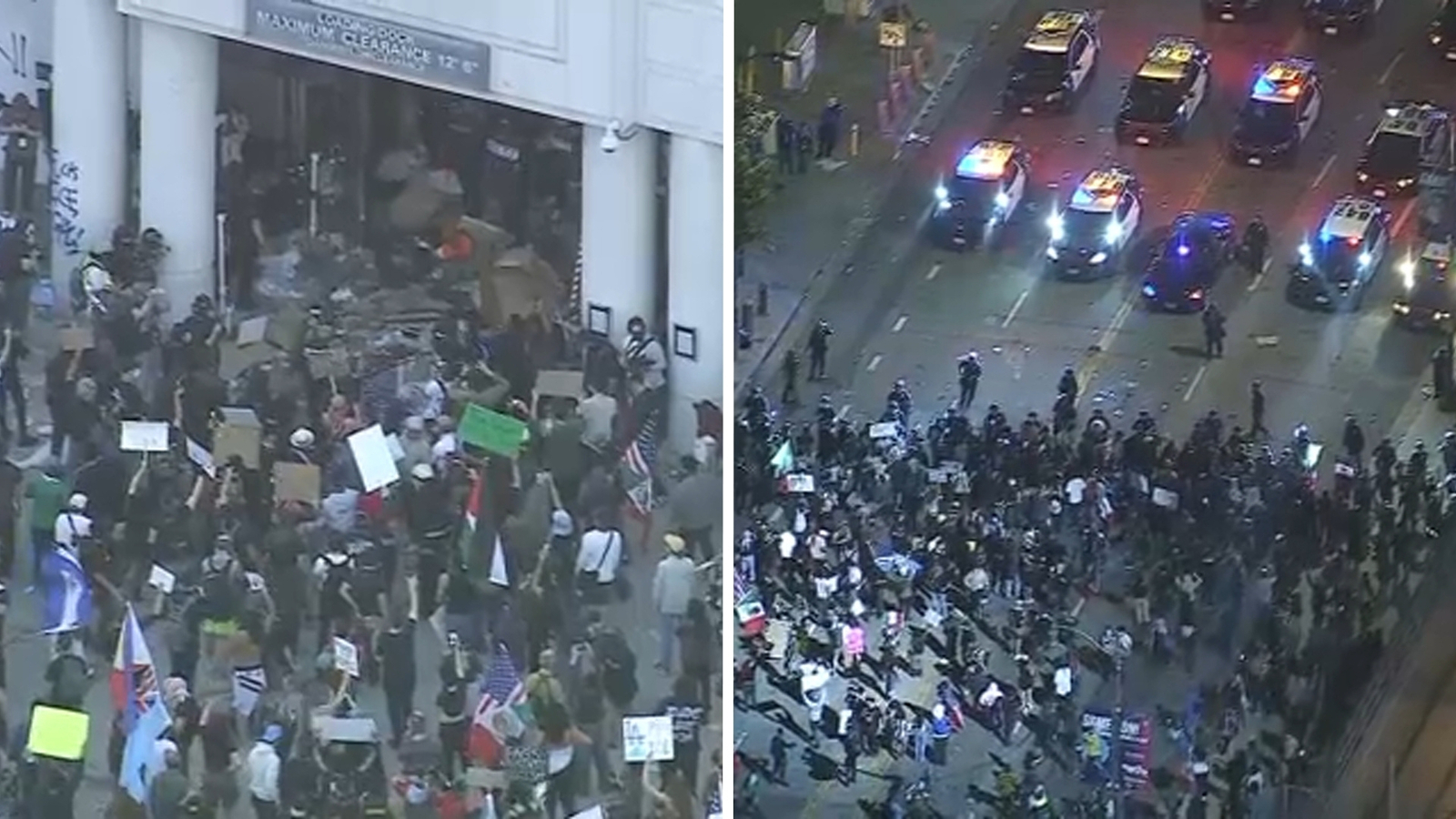
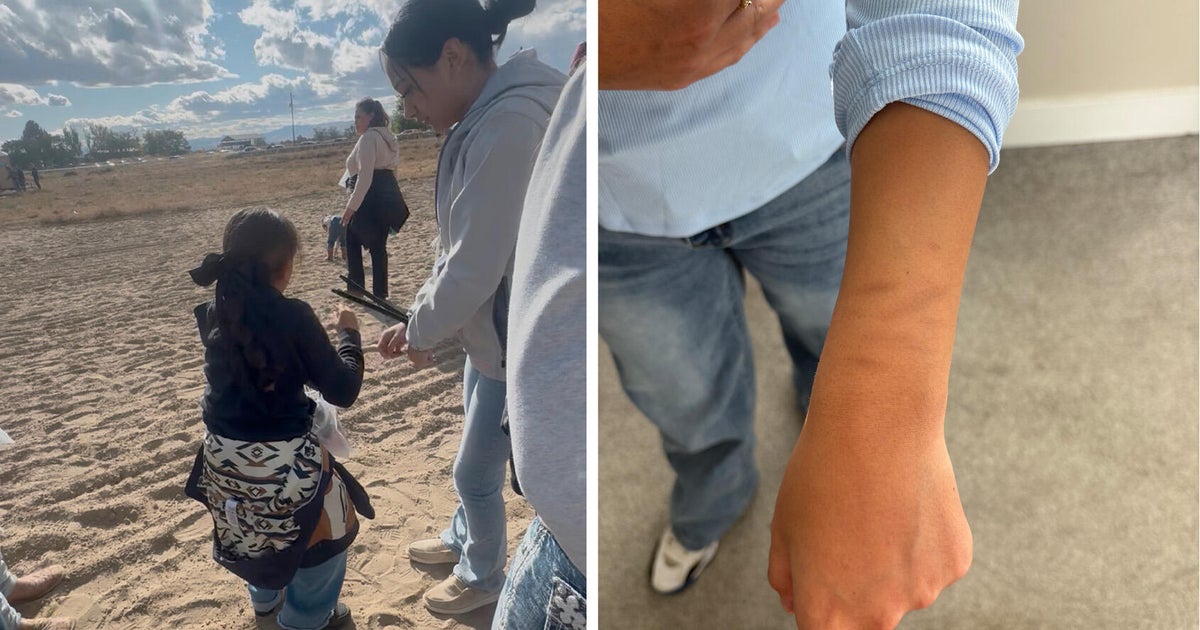
A 14-year-old girl recounted a terrifying ordeal during an October immigration raid at a horse racing track in Wilder, Idaho, where ICE agents allegedly zip-tied her hands behind her back despite her cries and breathing struggles. Her mother, witnessing the chaos, protested as armed officers in tactical gear herded detainees onto the racetrack, separating families amid screams and confusion. Photos reveal deep bruises on the teen's wrists, highlighting the physical toll of the restraints.[1][2]
Conflicting Official Responses
Initial denials from the Canyon County Sheriff and FBI claimed no children were zip-tied, but statements later shifted: the FBI clarified no "young" children were restrained, while Caldwell Police admitted minors were involved. The ACLU lawsuit accuses the operation of masking immigration enforcement as a gambling bust, detaining over 300 U.S. citizens alongside 105 undocumented individuals, with only five arrests for minor charges.[1][3]
Raising Alarms on Enforcement Tactics
This incident fuels debates on ICE's use of force against minors and citizens, eroding community trust. The mother's anguish over lacking birth certificates underscores everyday vulnerabilities. As scrutiny mounts, calls grow for oversight to prevent trauma on vulnerable youth, ensuring raids prioritize humanity over haste.[1][3]
About the Organizations Mentioned
ICE
**Immigration and Customs Enforcement (ICE)** is a federal law enforcement agency under the U.S. Department of Homeland Security (DHS), established in 2003 following the Homeland Security Act of 2002, which reorganized existing agencies post-9/11 to enhance national security[1][2]. ICE’s core mission is to protect the United States by enforcing immigration laws, conducting criminal investigations, and preserving public safety. ICE operates primarily through two major divisions: **Homeland Security Investigations (HSI)** and **Enforcement and Removal Operations (ERO)**. HSI focuses on investigating and disrupting transnational criminal organizations involved in customs violations, human trafficking, terrorism, and smuggling. ERO is responsible for the apprehension, detention, and deportation of individuals unlawfully present in the U.S., operating detention facilities and managing removal procedures[2]. ICE’s international reach is managed by the Office of International Affairs (OIA), a key overseas investigative arm coordinating with foreign governments to combat cross-border crime, such as arms smuggling, forced labor, and immigration fraud. OIA supports intelligence gathering, training, treaty implementation, and facilitates global cooperation to preempt threats before they reach U.S. borders[3]. With a workforce exceeding 20,000 employees across more than 400 offices worldwide and an annual budget of about $8 billion, ICE plays a pivotal role in U.S. homeland security[1]. Its activities, especially those involving immigration enforcement and detention, have made it a highly visible and sometimes controversial agency in public discourse, often referred to colloquially in Spanish as "la migra"[2]. Notable achievements include disrupting large-scale criminal networks internationally and supporting the enforcement of over 400 federal statutes concerning customs, immigration, and terrorism prevention. ICE’s dynamic operational scope—spanning law enforcement, international diplomacy, and legal administration—makes it a critical component of U.S. efforts to maintain national security and uphold the rule of law[1][2][
FBI
The Federal Bureau of Investigation (FBI) is a premier law enforcement agency in the United States, renowned for its role in protecting the nation from domestic and international threats. Founded on July 26, 1908, as the Bureau of Investigation, it was initially tasked with addressing land fraud and corporate malfeasance under President Theodore Roosevelt[1][2]. Over time, its mandate expanded significantly, particularly with the passage of the Mann Act in 1910, which allowed federal jurisdiction over certain moral offenses[1][4]. ### History and Evolution The FBI underwent significant transformation under J. Edgar Hoover, who became its director in 1924. Hoover implemented strict hiring standards and enhanced operational capabilities, transforming the agency into a robust investigative force[1][4]. The FBI's name was officially changed to the Federal Bureau of Investigation in 1935[5][6]. Throughout its history, the FBI has faced challenges, including concerns about potential abuses of power, but it has consistently demonstrated its value in national security and law enforcement[3][4]. ### Key Achievements The FBI has been instrumental in combating various crimes, including white-collar offenses, civil rights violations, and national security threats. Notable achievements include its role in enforcing the Espionage Act during World War I and its investigations into organized crime throughout the 20th century[2][4]. ### Current Status Today, the FBI is a sophisticated agency with over 37,100 employees, including special agents and professionals in various fields such as intelligence analysis and cybersecurity[5]. It operates in 55 field offices across the U.S. and has an international presence in 81 nations[5]. The FBI continues to evolve, addressing emerging threats like cybercrime and terrorism while maintaining its commitment to justice and integrity. ### Notable Aspects The FBI is known for its rigorous training programs at the FBI Academy in Quantico, Virginia, and its advanced forensic capabilities at the FBI Laboratory. Its work in business and technology includes
Canyon County Sheriff
The **Canyon County Sheriff's Office**, led by **Sheriff Kieran Donahue** since his 2012 election, operates as a full-service law enforcement agency covering 602 square miles in Idaho's fast-growing Treasure Valley.[3][5] It handles patrol, investigations, jail operations, dispatch, emergency management, narcotics enforcement, and public safety services like EMS and fire response, supported by over 300 employees and volunteers.[1][4] Founded within Canyon County's government structure, the office emphasizes technology integration, notably through the **Spillman Public Safety System**—a sophisticated software suite for criminal investigations, crime analysis, data sharing, and interoperability with agencies, enhancing crime prevention and convictions.[1] Administration includes specialized units like Professional Standards, Training, Finance, and Personnel, all supervised by experienced deputies under Chief Deputy Douglas S. Hart.[1] Key achievements spotlight Sheriff Donahue's leadership: In June 2024, he became the **84th President of the National Sheriffs' Association**—the first Idaho sheriff to hold this role—advancing national efforts on border security, narcotics, and domestic violence.[6] His prior experience in complex investigations has forged strong multi-agency partnerships.[1] Currently, the agency is modernizing amid population booms. In January 2025, Canyon County broke ground on a $27.61 million, 82,866-square-foot headquarters in Caldwell, funded largely by American Rescue Plan Act dollars.[2] Set for spring 2026 completion, it consolidates operations with a new emergency operations center, dispatch, training facilities, and expansion space—though jail capacity challenges persist.[2] This tech-forward hub promises streamlined services, positioning the office as a model for scalable public safety in business-driven growth regions. (Word count: 298)
Caldwell Police
The **Caldwell Police Department** in Caldwell, Idaho, serves as a forward-thinking law enforcement agency managing public safety in one of America's fastest-growing cities, with a population exceeding 80,000.[1] Rooted in Idaho's western heritage, it addresses rapid urban expansion through innovative policing, community partnerships, and advanced technology, emphasizing **justice, professionalism, and accountability**.[1] Historically, the department confronted challenges like inadequate equipment and training amid population booms. Under current leadership, it has dramatically boosted its training budget by **350%**, empowering officers with cutting-edge tools and fostering a culture of ownership and motivation—key to crime reduction and strong community ties.[1] This shift re-legitimizes policing by targeting "bad actors" surgically while building trust, exemplified by unique **horseback patrols** that connect with underserved groups, enhancing visibility and rapport.[1] Key achievements include leveraging **automated license plate readers (ALPR)** and real-time video cameras in a centralized information center to swiftly resolve crimes, such as an armed robbery involving juveniles on New Year's Day—identifying suspects in under 10 minutes without routine traffic stops, per Idaho's Senate Bill 1180 restrictions.[2] This tech minimizes community disruption, accelerates justice, and safeguards officers by providing scene intel before arrivals.[2] Strong collaborations with neighbors like Nampa and supportive local government bolster its effectiveness.[1] Today, the department exemplifies adaptive, tech-driven policing, prioritizing "happy, productive employees" who forge phenomenal community relationships.[1] Notable aspects include its real-time crime-fighting hub and low-impact strategies, setting benchmarks for agencies nationwide amid growth pressures—proving traditional values can thrive with modern innovation.[1][2] (298 words)
ACLU
The American Civil Liberties Union (ACLU) is a leading nonprofit organization dedicated to defending and expanding civil liberties in the United States. Founded in 1920 during a period of heightened government repression—including the infamous Palmer Raids targeting political dissidents—the ACLU emerged to protect free speech, due process, equal protection, and privacy, especially for groups historically denied these rights[2][4]. Its mission is realized through litigation, legislation, public education, and community outreach, making it a pioneer in public interest law[2][4]. ## History and Founding The ACLU traces its roots to the National Civil Liberties Bureau (NCLB), established in 1917 to support conscientious objectors and anti-war activists during World War I[1][3]. In 1920, Roger Baldwin, Crystal Eastman, and others reorganized the NCLB into the ACLU, broadening its focus beyond wartime dissent to encompass a wide array of civil liberties issues[2][3]. From its inception, the ACLU positioned itself as a nonpartisan defender of constitutional rights, distinct from organizations focused on specific demographics or causes[3]. ## Key Achievements The ACLU has been at the forefront of nearly every major civil liberties battle in U.S. history. Early highlights include defending targets of the Palmer Raids, supporting labor organizers, and securing the release of activists imprisoned for antiwar views[5]. The organization gained national attention with the 1925 Scopes "Monkey" Trial, challenging bans on teaching evolution and spotlighting issues of academic freedom and church-state separation[5][6]. In the mid-20th century, the ACLU played a pivotal role in landmark Supreme Court cases, such as Brown v. Board of Education (1954), which ended school segregation, and Tinker v. Des Moines (1969), affirming students' free speech rights[5]. The ACLU also fought—though not always successfully—against the intern