Tariffs and Paychecks: How Trade Policy Hurts Jobs More Than Prices

Why tariffs have hit Americans’ jobs harder than their shopping carts
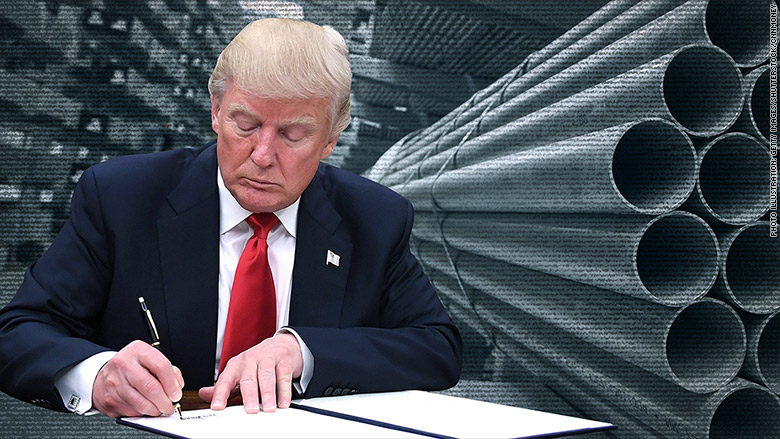
When tariffs surged under President Donald Trump, economists braced for soaring prices and widespread layoffs. Instead, grocery aisles and online carts saw only modest price bumps, while factory towns and port cities absorbed the heaviest blow. Many companies quietly swallowed higher import costs or trimmed margins to keep price tags competitive, but they could not as easily shield payrolls. Hiring freezes, postponed expansions, and automation became the fastest levers to pull.
From trade policy to paycheck pressure
Tariffs reshaped supply chains, forcing manufacturers and small suppliers to juggle costlier inputs and volatile demand. Some firms relocated production or shifted sourcing, but these pivots took time, and workers often waited on the sidelines. Consumer spending stayed surprisingly resilient, supported by savings and credit, yet employment in trade-sensitive sectors lagged. The result: Americans noticed slightly pricier goods, but the deeper impact showed up in thinner paychecks, reduced hours, and slower wage growth across vulnerable regions.
About the People Mentioned
Donald Trump
Donald John Trump, born June 14, 1946, in Queens, New York, is an American businessman, media personality, and politician. He graduated from the University of Pennsylvania’s Wharton School in 1968 with a degree in economics. In 1971, he took over his family’s real estate business, renaming it the Trump Organization, through which he expanded into building and managing skyscrapers, hotels, casinos, and golf courses. Trump gained widespread fame as the host of the reality TV show *The Apprentice* from 2004 to 2015, which helped establish his public persona as a successful entrepreneur. Trump entered politics as a Republican and was elected the 45th president of the United States, serving from 2017 to 2021. His presidency was marked by significant policy actions including tax cuts, deregulation, the appointment of three Supreme Court justices, renegotiation of trade agreements (notably replacing NAFTA with the USMCA), and a focus on immigration control including border wall expansion. He withdrew the U.S. from international agreements such as the Paris Climate Accord and the Iran nuclear deal, and engaged in a trade war with China. His administration’s response to the COVID-19 pandemic was criticized for downplaying the virus’s severity. Trump was impeached twice by the House of Representatives—first in 2019 for abuse of power and obstruction, and again in 2021 for incitement of insurrection—but was acquitted by the Senate both times. After losing the 2020 election to Joe Biden, Trump challenged the results, culminating in the January 6, 2021, Capitol riot. He remains a central figure in American politics, having won the 2024 presidential election and returned as the 47th president in 2025, continuing to promote policies aimed at economic growth, border security, and military strength[1][2][3][4].