Texas Redistricting Standoff: Supreme Court to Expel 13 House Democrats?
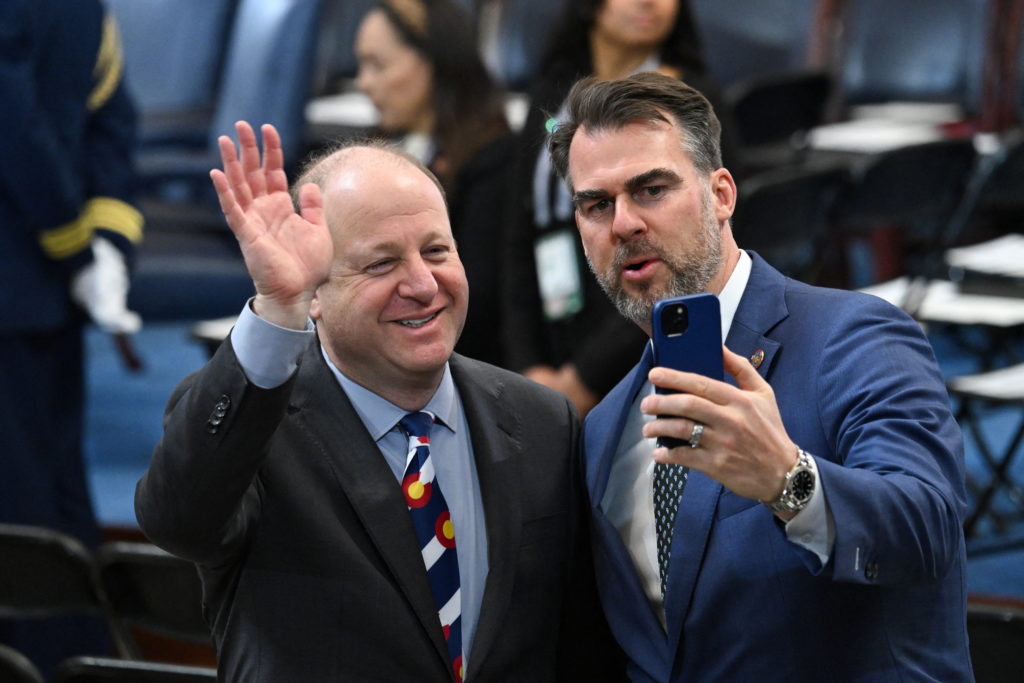
:focal(0x0:2400x1600)/static.texastribune.org/media/files/b16ea690df24c0ee8caaee6be9bb346d/0803%20Texas%20Lawmakers%20Illinois%20JKD%2003.JPG)
Introduction
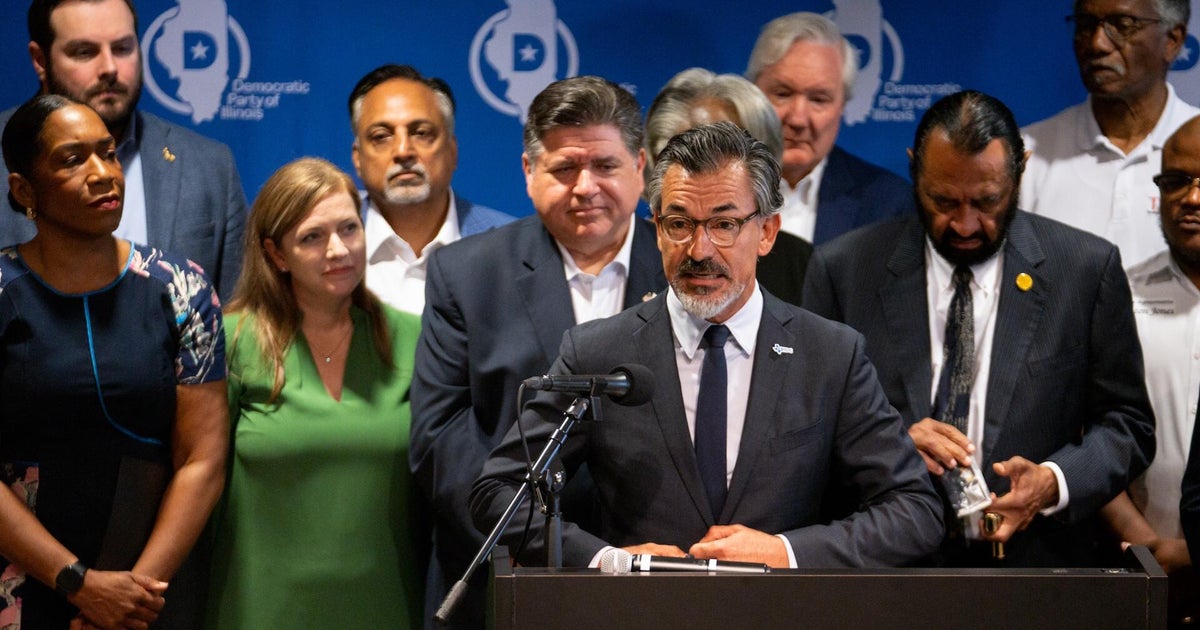
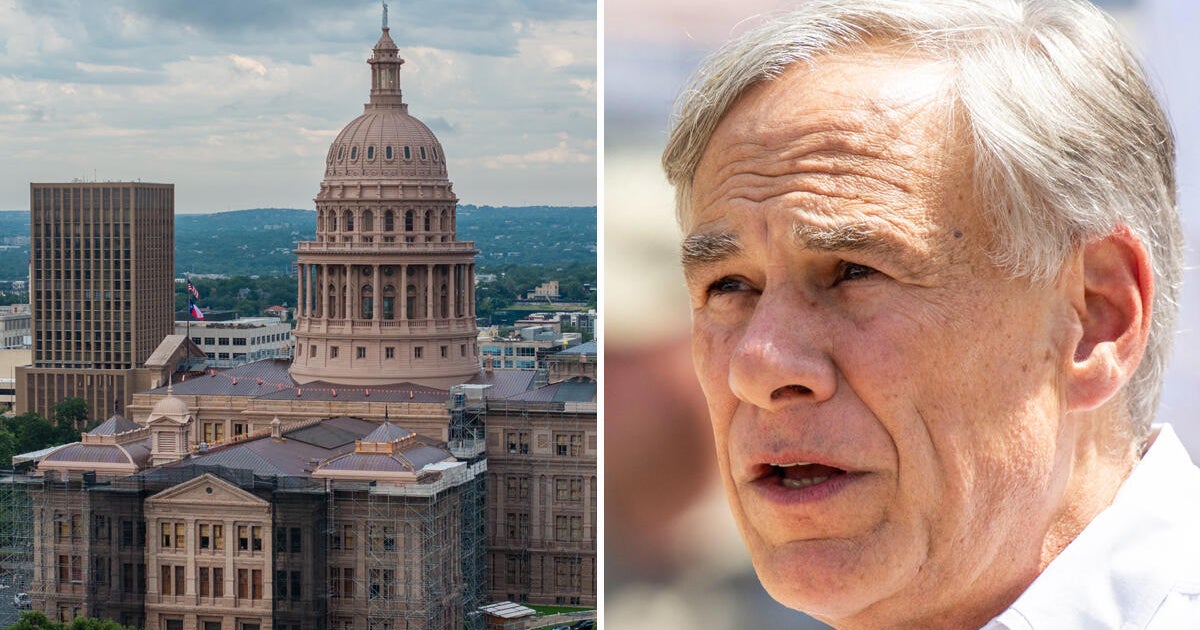
In the latest twist of the ongoing redistricting standoff in Texas, Attorney General Ken Paxton has asked the state's Supreme Court to expel 13 House Democrats who fled to Washington D.C. in order to block a GOP-led voting bill. This comes after Governor Greg Abbott previously asked the court to expel Rep. Gene Wu, the House Democratic leader, for breaking quorum. However, Paxton has disputed the governor's authority to make such a request.
Key Details
The 13 House Democrats who fled the state are currently facing arrest and a potential loss of their paychecks. This is due to a long-standing rule in the Texas Constitution that states any member of the Legislature who is absent from the state for more than 10 days without permission from the majority of their chamber can be arrested and brought back to the state Capitol. However, the Democrats have argued that they were forced to leave in order to protect voting rights in the state.
Impact
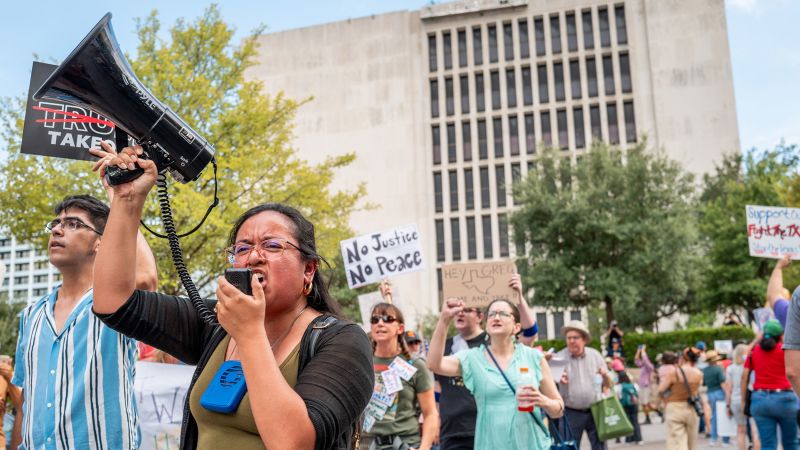
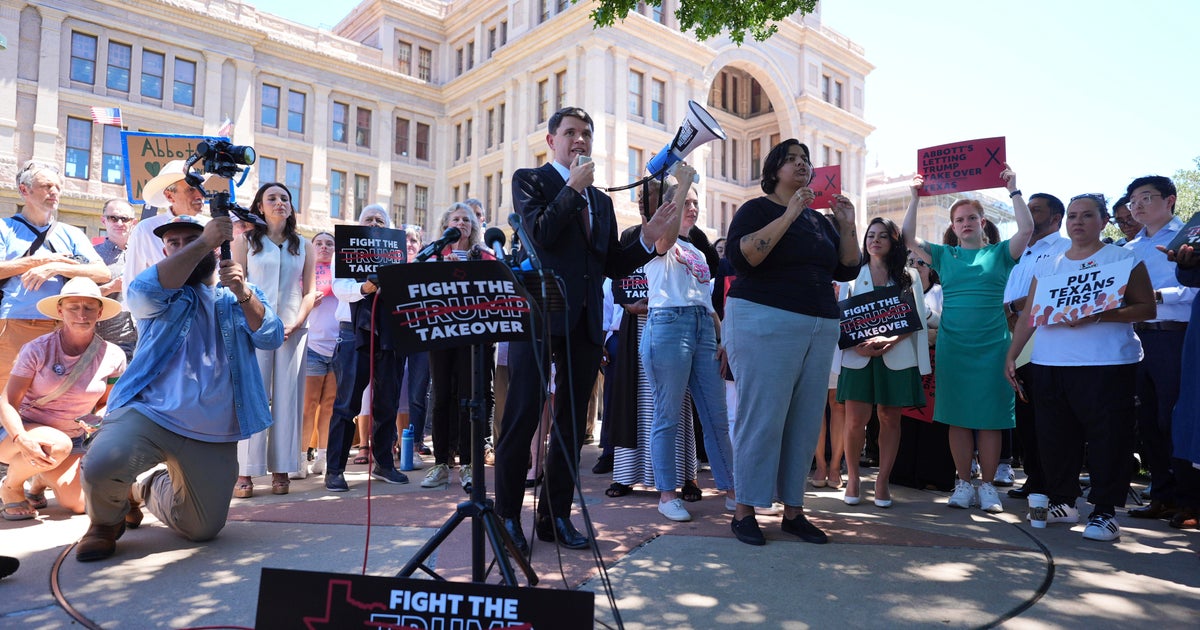
The ongoing redistricting standoff in Texas has brought the issue of voting rights to the forefront, with both parties fiercely debating over the proposed voting bill. The Democrats' decision to flee the state has led to increased tensions and legal battles between the two sides. If the Texas Supreme Court decides to expel the 13 House Democrats, it could set a dangerous precedent for future political standoffs and
About the People Mentioned
Greg Abbott
Greg Abbott, born Gregory Wayne Abbott on November 13, 1957, in Wichita Falls, Texas, is the 48th governor of Texas, serving since January 2015 after winning elections in 2014, 2018, and 2022.[1][2][4] A Republican and staunch conservative, he previously held the position of Texas attorney general from 2002 to 2015—the longest tenure in state history—where he defended state rights, religious liberty, and frequently challenged federal policies under the Obama administration.[1][2][3][6] Abbott's early career included roles as a state district judge in Harris County starting in 1992 and as a justice on the Texas Supreme Court from 1996 to 2001, appointed by then-Governor George W. Bush.[1][4][6] In 1984, at age 26, he was paralyzed from the waist down after a tree fell on him during a jog, requiring him to use a wheelchair; he became the first U.S. governor to do so since 1982 and only the third in American history.[1][2] As governor, Abbott has prioritized low taxes, budget cuts, economic growth, education funding, and border security through Operation Lone Star, including deploying troops, installing razor wire and buoys, busing migrants to sanctuary cities, and declaring Mexican cartels as terrorist organizations.[2][3][4][5] He signed constitutional carry legislation in 2021, allowing permitless handgun carry for most adults over 21, amid mass shootings like Sutherland Springs in 2017.[1] His administration has overseen record job creation, property tax reforms, bans on sanctuary cities, and protections for the unborn.[3][4][5] Disputes with federal officials over border measures persisted into 2023-2024.[2] In July 2025, Abbott declared a state of emergency after severe central Texas flooding killed over 150 people, securing federal disaster aid.[1] He remains a prominent national conservative figure, named "Best Governor in the Nation" in 2020.[5]
About the Organizations Mentioned
Texas Supreme Court
The Texas Supreme Court is the highest judicial authority in Texas for civil and juvenile cases, having exclusive jurisdiction over civil appeals and certain administrative matters. It was established in 1846, succeeding the Supreme Court of the Republic of Texas, and is headquartered in Austin, Texas. The court operates alongside the Texas Court of Criminal Appeals, which handles criminal cases, reflecting a unique bifurcated judicial system established in 1891[1][7]. Historically, the court has a rich legacy. Its earliest session was in 1840 during the Republic era, and it has evolved significantly since then. A landmark moment came in 1925 when Governor Pat Neff appointed an all-woman Supreme Court to resolve a conflict-of-interest land dispute case, Johnson v. Darr, marking the first time women served as justices in Texas, well before women were allowed on juries[1][3]. The court's physical space has also shifted; originally housed on the Texas Capitol's third floor, it moved out in 1959, with new courtrooms added during the 1990-1993 Capitol annex construction[1]. A distinctive procedural feature of the Texas Supreme Court is its practice of "refusing" rather than "denying" writs of error, a legal nuance that effectively endorses lower courts' decisions as binding precedent statewide. This approach, unique among U.S. state supreme courts, streamlines judicial efficiency while influencing the geographic scope of legal precedents in Texas[7]. The court's historical importance is preserved by the Texas Supreme Court Historical Society, founded in 1990 to safeguard the court’s legacy and artifacts, and to promote public understanding of Texas judicial history[5][10]. The court continues to play a vital role in shaping Texas civil law, influencing business and technology sectors through its rulings on civil litigation, contracts, and regulatory matters, thereby impacting the state's economic and legal landscape.