Tragic Pediatric Flu Death in Virginia Spurs Vaccination Urgency

Tragic First Pediatric Flu Death in Virginia
The Virginia Department of Health has reported the state's first flu-related pediatric death of the 2025-26 season, involving a preschool-aged child under 5 in the Eastern Region. This heartbreaking loss underscores the flu's potential severity, even in young, seemingly healthy children. State Health Commissioner Dr. Karen Shelton expressed deep sympathy, noting that while influenza is common, it can lead to fatal complications.[1][2]
Current Flu Landscape and Risks
Despite moderate respiratory illness levels and a recent downward trend as of January 10, flu activity persists with surges in emergency visits—around 4,676 statewide—and outbreaks hitting daycares, schools, and long-term care facilities. Last season marked the deadliest on record for U.S. children, with nearly half lacking underlying conditions and 89% not up-to-date on vaccinations.[1][2][3]
Protecting Families: Vaccination Urged
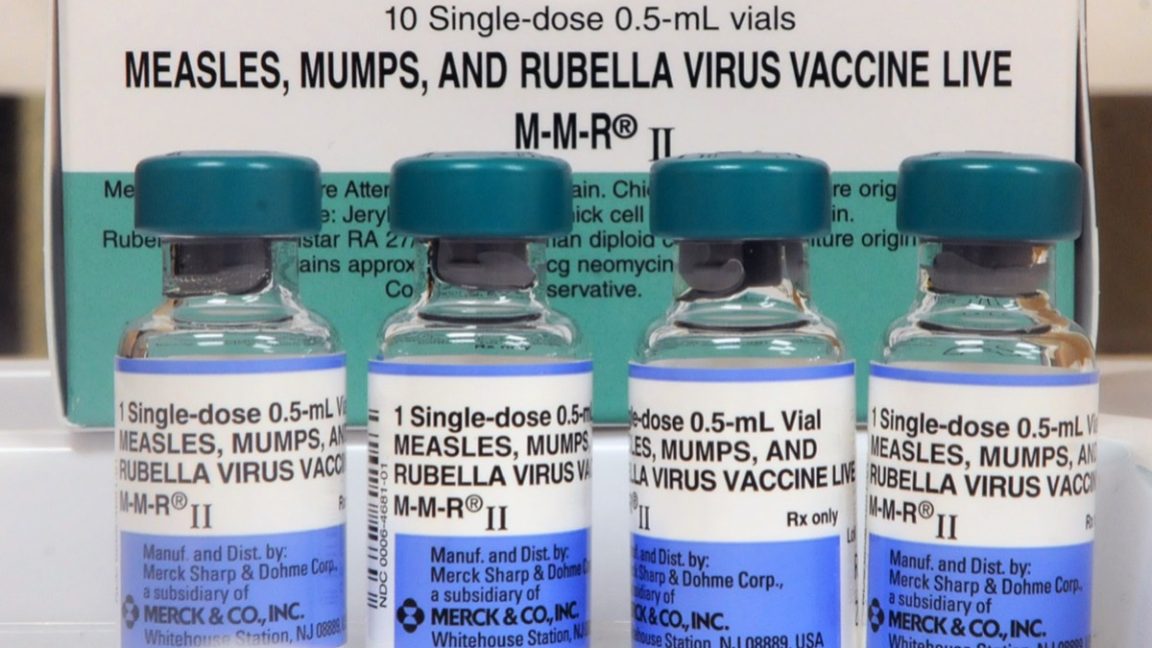
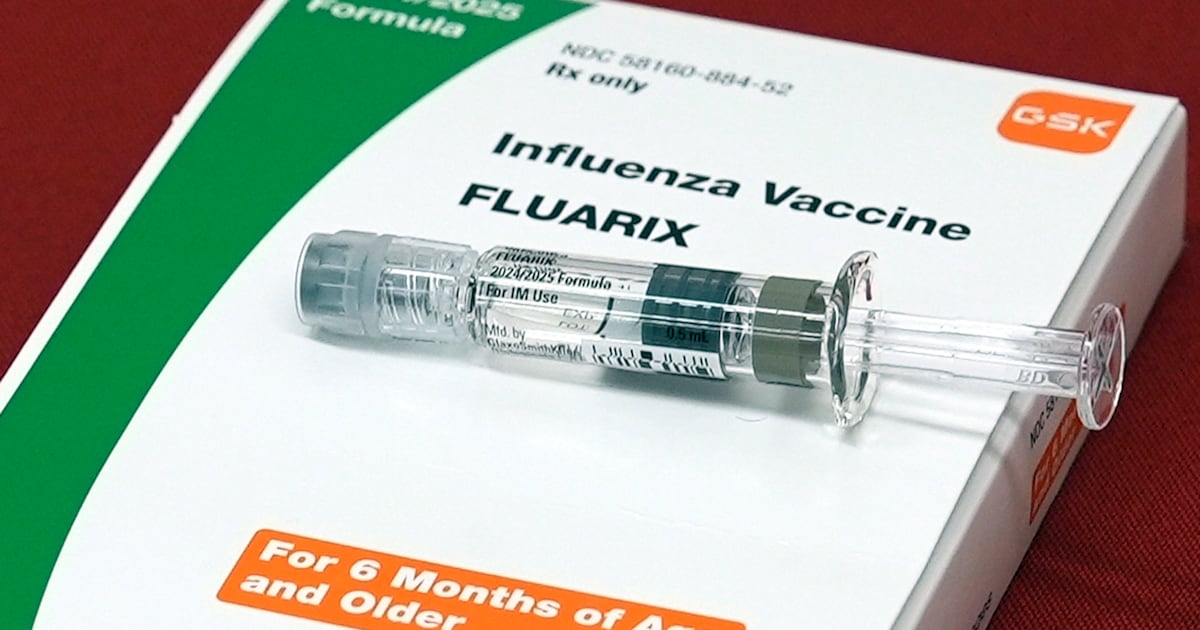
Less than 30% of eligible Virginians are vaccinated this season, far below optimal levels. The CDC highlights flu shots prevented millions of illnesses, hospitalizations, and deaths last year. Experts stress it's not too late—get vaccinated at pharmacies or clinics, wash hands frequently, cover coughs, stay home when sick, and seek early medical help to shield vulnerable kids and communities.[1][2][3]
About the Organizations Mentioned
Virginia Department of Health
The **Virginia Department of Health (VDH)** is Virginia's primary state agency tasked with protecting and promoting public health for all residents through prevention, surveillance, and equitable services.[1][4][8] Operating from its Central Office in Richmond—housed in the James Madison Building near the State Capitol—VDH employs about 3,300 staff across 35 local health districts and 119 departments, delivering localized responses to statewide needs.[1][2][4] Established as a core arm of state government, VDH is led by the **State Health Commissioner**, appointed by the Governor and reporting through the Secretary of Health and Human Resources, with oversight from the 15-member State Board of Health.[1][3][4] This structure supports key offices like Epidemiology (infectious disease control), Environmental Health Services (food, water, and sewage safety), Family Health Services (maternal-child programs), and Emergency Preparedness.[1][4][5] Its FY2024 budget reached approximately $1.2 billion, funding initiatives from disease tracking to health equity.[4] VDH's strategic plan, updated in 2024, outlines five goals: building a competent workforce, fostering resilient communities, serving as a trusted information source, advancing health opportunities via partnerships, and enhancing internal systems for quality.[6] Notable programs include Title X family planning (contraception, STI services, cancer screenings), chronic disease prevention, and collaborations with the CDC—crucial during pandemics and emergencies.[2][5][7] **Key achievements** encompass robust infrastructure improvements, reduced health disparities, and policy advocacy, positioning Virginia toward its vision of becoming the healthiest state.[3][5][6] For business and tech audiences, VDH leverages data analytics for sub-county outbreak tracking, AI-potential tools in epidemiology, and "health in all policies" integrating tech-driven equity—driving $1.2B in grants and public-private innovations ami
CDC
The **Centers for Disease Control and Prevention (CDC)** is the premier national public health agency of the United States, operating under the Department of Health and Human Services and headquartered in Atlanta, Georgia. Its primary mission is to protect public health and safety through disease control, injury prevention, and health promotion both nationally and globally[1][8]. Established in 1946 initially as a single "Center for Disease Control," the agency expanded and reorganized in 1980 into multiple specialized centers, reflecting a broader focus beyond infectious diseases to include environmental health, chronic disease, occupational safety, and health education[7]. The CDC comprises various centers and institutes, such as the National Center for Immunization and Respiratory Diseases, the National Center for Chronic Disease Prevention and Health Promotion, and the National Institute for Occupational Safety and Health (NIOSH), among others. These centers enable the CDC to address a wide array of public health challenges through research, surveillance, policy development, and education[2]. It also plays a key role in emergency preparedness and response, demonstrated notably during the COVID-19 pandemic, where its guidance shaped public health actions despite complex political and social dynamics[8]. Key achievements include pioneering epidemiological research, controlling outbreaks of infectious diseases, advancing vaccine safety and immunization programs, and addressing emerging health threats such as obesity and diabetes. The CDC is recognized for disseminating authoritative health information, including the widely cited Morbidity and Mortality Weekly Report (MMWR), and for its global collaborations with health organizations worldwide[1][3][8]. Currently, the CDC is undergoing organizational adjustments to focus more intensively on infectious diseases, as part of the 2025 Department of Health and Human Services reorganization. This includes absorbing the Administration for Strategic Preparedness and Response while shifting some functions like occupational safety to new entities[1]. The agency’s comprehensive approach, backed by science and government funding, positions it as a critical leader in public health innovation, disease prevention, and health security i