Ohio's First Pediatric Flu Death Prompts Urgent Call for Vaccination and Prevention
Tragic First Pediatric Flu Death in Ohio
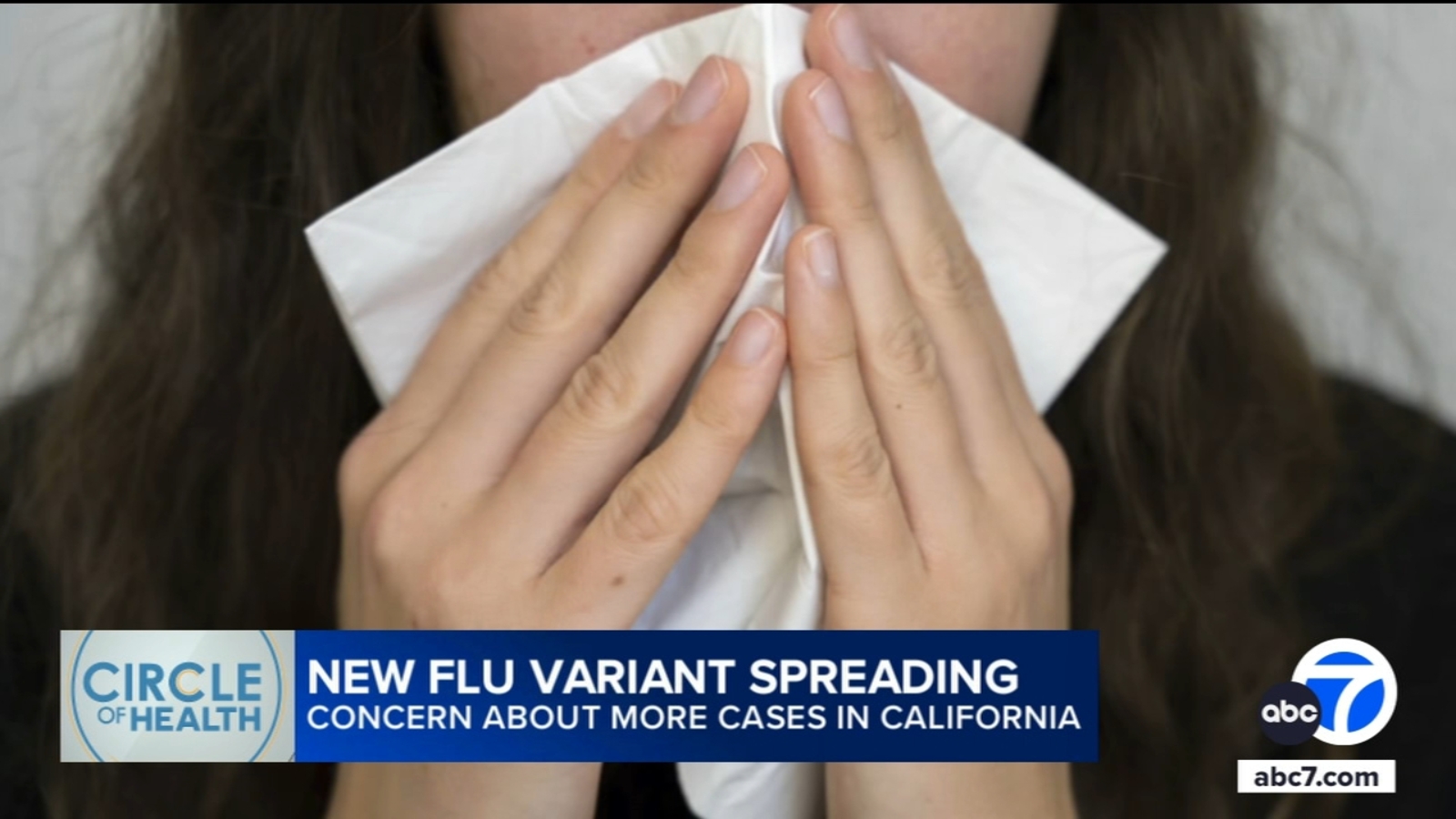
A heartbreaking loss has struck Greene County as a teenager becomes Ohio's first pediatric flu death of the season, according to the Ohio Department of Health. This somber event underscores the hidden dangers of influenza, even in otherwise healthy young people. Health officials emphasize that flu, despite its commonality, poses a serious threat, particularly during peak months from December to February. Families across the state are urged to remain vigilant amid rising cases.[1][2]
Understanding the Risks and Statistics
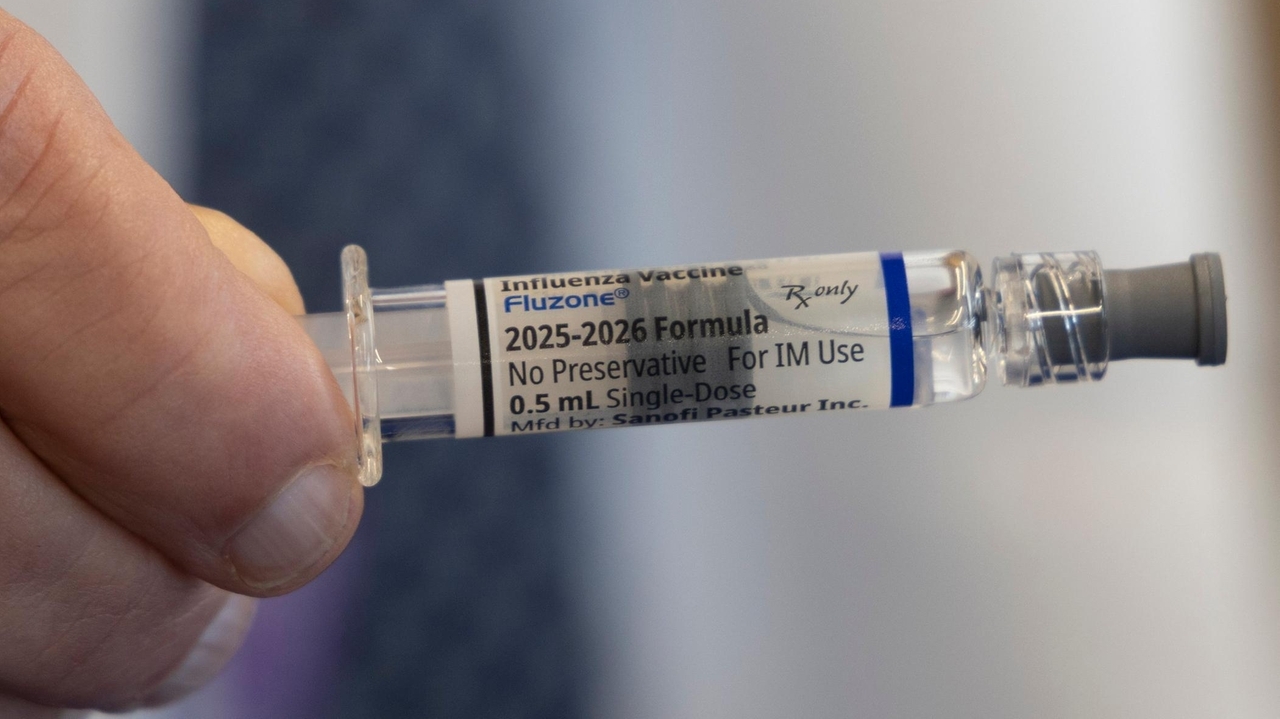
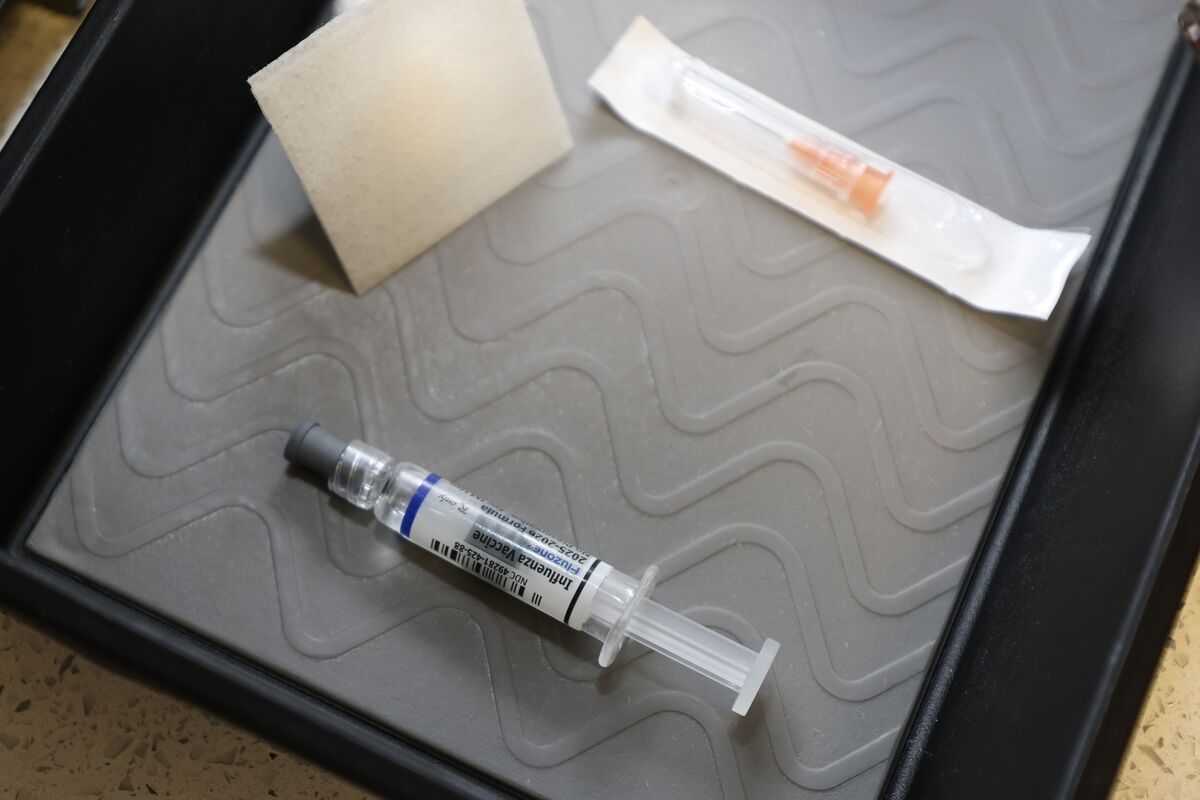
Ohio typically sees one to seven influenza-associated pediatric deaths annually, making this early tragedy a stark warning. The teen's passing highlights how quickly flu can escalate, especially without prompt intervention. While vaccines are widely available at clinics, pharmacies, and health departments, it's never too late to protect loved ones. Antiviral treatments, started within a day or two of symptoms, can reduce severity and duration, offering critical support.[1][2]
Essential Prevention Steps for Families
To safeguard children, prioritize frequent handwashing, alcohol-based sanitizers, and covering coughs into elbows or tissues. Avoid touching eyes, nose, or mouth, and encourage annual vaccinations. This incident serves as a call to action: simple habits and timely medical care can prevent devastation. Consult healthcare providers today to stay ahead of this preventable threat.[1][2]
About the Organizations Mentioned
Ohio Department of Health
The **Ohio Department of Health (ODH)** is Ohio's principal public health agency, dedicated to advancing the health and well-being of 11.7 million residents by preventing disease, promoting wellness, and ensuring quality care access.[1][2][3] As a cabinet-level entity, its Director reports directly to the Governor, collaborating with 113 local health departments across 88 counties to deliver coordinated services.[2][3][6][8] Established in 1917 by the Ohio General Assembly to combat infectious diseases, ODH evolved from the 1886 State Board of Health, initially focused on tuberculosis control.[2] Today, it organizes around core functions: controlling infectious diseases, health preparedness, promotion of injury-free communities, addressing inequities, environmental monitoring (air, water, food), and regulating healthcare facilities.[3] Key operations include the Public Health Laboratory for outbreak investigations, Bureau of Vital Statistics for birth/death records, and programs like children with medical handicaps and nutrition services.[1][3][4] **Achievements** highlight ODH's impact: PHAB accreditation in 2015 validated its excellence, while the Bureau of Maternal and Child Health and Families (BMCFH) drives data-driven efforts to reduce infant mortality and disparities.[2] During COVID-19, ODH invested over $70 million in testing, call centers, and PPE distribution.[1] Strategic tools like the State Health Assessment and Improvement Plan (SHIP) target priorities such as chronic disease, access to care, and electronic health records—resonating with business-tech sectors via health data infrastructure and workforce development.[2][4] Currently, ODH transforms public health through partnerships, evidence-based solutions, and equity-focused policies, passing most of its budget to locals for services like immunizations, food inspections, and emergency response.[3][4] For business and tech enthusiasts, ODH's emphasis on health information exchange and analytics positions it as a hub for innovative publi