Trump Administration Freezes Billions in Child Care Funds: Impact on Five States and Low-Income Families
Trump Administration Freezes Child Care Funds
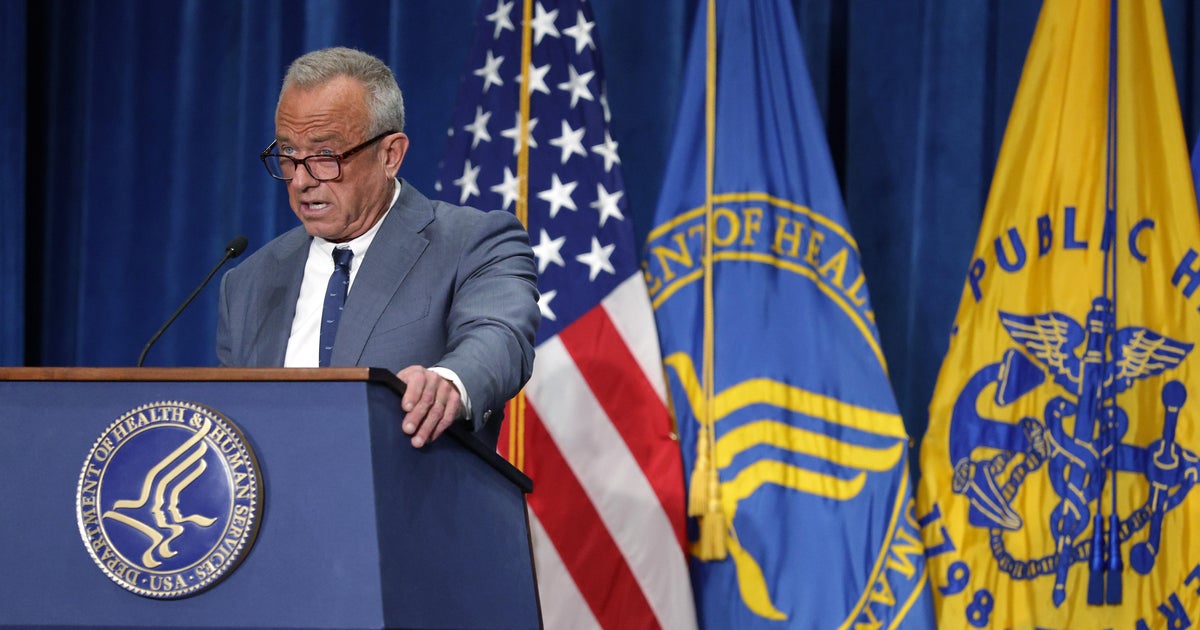
The Trump administration’s decision to freeze billions in child care and social service funds for five Democratic-led states has sparked deep concern among advocates and families. With roughly $10 billion placed on hold during a federal review, programs in California, Colorado, Illinois, Minnesota, and New York face uncertainty. Officials cite fraud prevention and program integrity, while critics argue the move effectively weaponizes essential aid.
How the Freeze Threatens Low-Income Families
For low-income parents who rely on subsidized care to keep their jobs, even a temporary disruption can trigger cascading crises. Child care centers may delay payroll, reduce hours, or close, forcing families to scramble for alternatives they cannot afford. Social workers warn that cuts to cash assistance and child welfare services will hit communities already strained by high housing and food costs. If the review drags on, the freeze could deepen inequality and destabilize fragile local support systems.
About the Organizations Mentioned
Trump administration
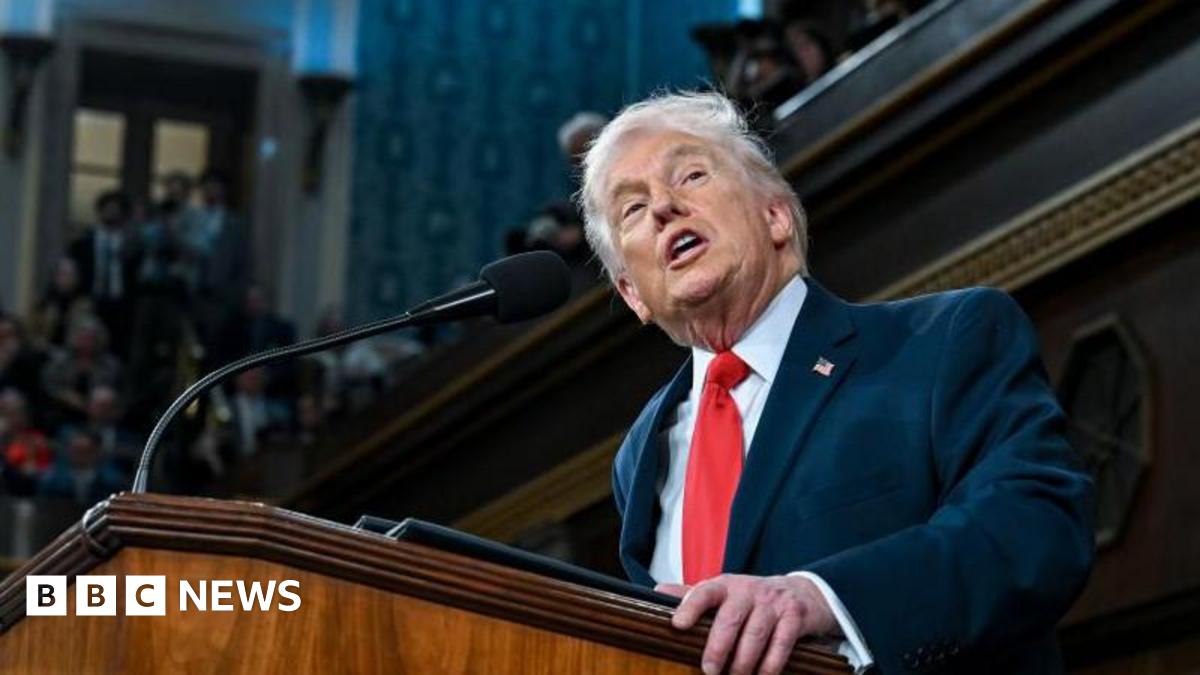
The **Trump administration** refers to the executive branch of the U.S. federal government during Donald J. Trump’s presidency, initially from January 20, 2017, to January 20, 2021, and resuming with his second term starting in 2025. It was characterized by a mix of aggressive domestic policies, significant judicial appointments, and a distinct foreign policy approach that emphasized "America First" principles[4][8]. The administration’s key activities included **tax reform**, notably passing the $3.2 trillion Tax Cuts and Jobs Act, which represented the largest overhaul of the U.S. tax code in decades[5]. Trump also renegotiated trade agreements with major economies including Mexico, Canada, China, Japan, and South Korea, prioritizing bilateral deals over multilateral ones such as the Trans-Pacific Partnership (TPP), which the administration withdrew from early on[1][2]. The administration sought to protect American jobs by restricting cheap foreign labor and influencing agencies like the Tennessee Valley Authority to retain American workers[5]. On the judicial front, the Trump administration appointed over 200 federal judges, including three Supreme Court justices—Neil Gorsuch, Brett Kavanaugh, and Amy Coney Barrett—shaping the judiciary for years to come[4]. These appointments were among the most significant achievements, influencing U.S. law on multiple fronts. In foreign policy, the administration pursued a controversial agenda: it imposed travel bans on several predominantly Muslim countries, withdrew U.S. troops from northern Syria, and supported Saudi Arabia militarily despite congressional opposition related to the Yemen conflict[1][3]. It also fostered new international technology alliances, such as securing commitments from allies to exclude Chinese telecom giant Huawei from 5G infrastructure and signing AI cooperation agreements with the UK[5]. The Trump administration faced substantial political turmoil, including two impeachments by the House of Representatives—first in 2019 over Ukraine dealings, and again in 2021 following the January