Trump's White House Ballroom Project Heads to First Public Hearing
Trump's White House Ballroom Project Faces First Public Hearing
President Trump's ambitious plan to transform the White House with a lavish ballroom reaches a pivotal moment at its inaugural public hearing before the National Capital Planning Commission on January 8. Originally pitched as a $200 million addition inspired by Mar-a-Lago's opulence, the project has doubled to $400 million, promising completion by summer 2028 and space for 1,350 guests—far surpassing the East Room's limits.
Key Developments and Design Details
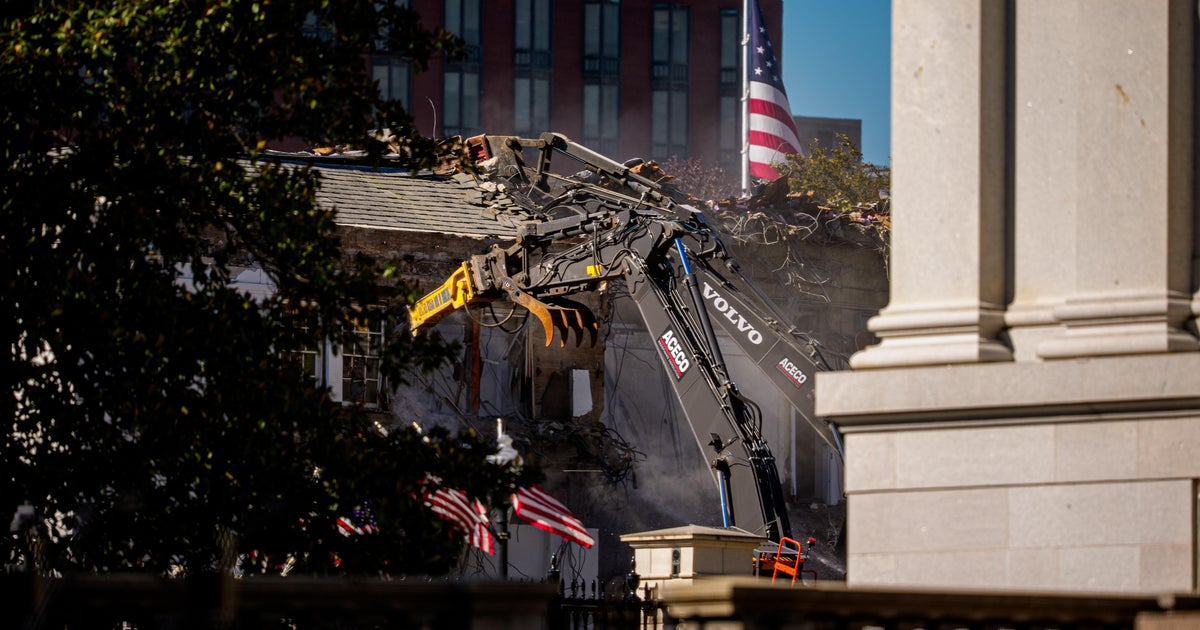
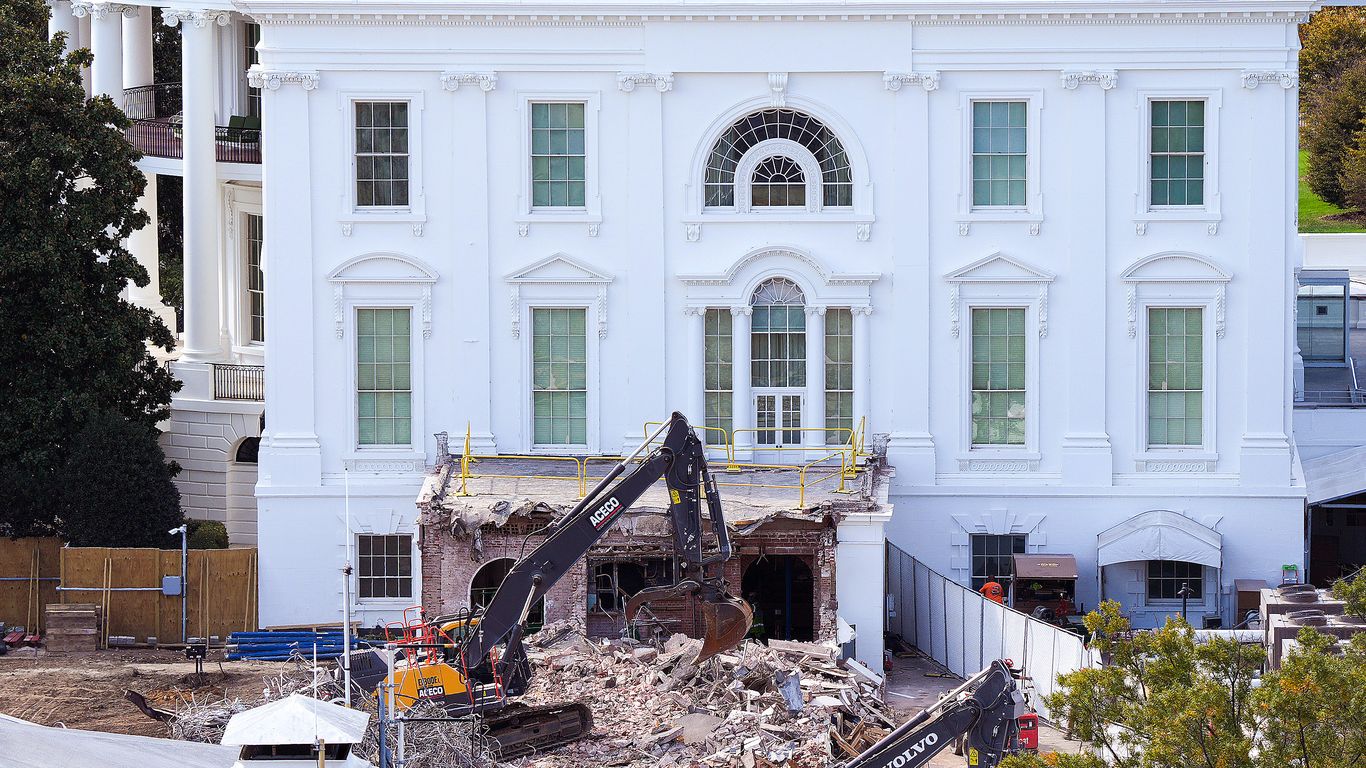
The East Wing, demolished in October 2025 despite initial promises of non-interference, paves the way for this 90,000-square-foot neoclassical marvel featuring coffered ceilings, crystal chandeliers, and Corinthian columns. Architect Shalom Baranes now leads after James McCrery's exit amid size disputes. Funded by Trump and donors, it aims to host grand state dinners without tents, blending historic elegance with modern scale.
Controversies and Future Implications
Preservationists and Democrats decry the demolition and ballooning costs, with lawsuits challenging the project's scale that could dwarf the iconic residence. While a judge denied a halt, further hearings loom in January 2026. This bold redo underscores Trump's builder vision, sparking debate on legacy, funding transparency, and White House evolution for future generations.
About the Organizations Mentioned
National Capital Planning Commission
The **National Capital Planning Commission (NCPC)** is a U.S. federal agency responsible for guiding and overseeing planning and development in the National Capital Region, which includes Washington, D.C., and surrounding counties in Maryland and Virginia. Its mission is to protect and enhance the capital’s natural, historic, and architectural resources while ensuring orderly federal development[1][4]. Founded in 1924 initially as the National Capital Park Commission to acquire parkland and preserve natural scenery, it expanded in 1926 to include comprehensive regional planning. The 1952 National Capital Planning Act gave it its current name and formalized its role as the central planning agency for federal and District government development in the capital area. Though the 1973 Home Rule Act granted some local planning authority to D.C.’s government, NCPC retains exclusive authority over federal land and buildings and advises on key District land use decisions[1][2][4]. The Commission consists of 12 members, including presidential appointees from Maryland, Virginia, and the U.S., the Mayor of D.C., District Council Chair, congressional committee chairs, and leaders of major federal landholding agencies such as the Departments of Defense and Interior. It is supported by a professional staff of planners, architects, urban designers, and preservation experts[1][3][4]. NCPC’s key functions include comprehensive planning, review and approval of federal development projects, and preparation of the Federal Capital Improvements Program. It ensures federal projects align with the comprehensive plan, which balances development with the preservation of historic sites, parks, and natural features. The Commission meets monthly to review plans and projects impacting the capital region[1][2][6][8]. Notable achievements include its long-standing role in preserving iconic landscapes and landmarks of Washington, D.C., and coordinating federal and local planning efforts. The agency’s impact is critical in maintaining the capital’s aesthetic, historic, and environmental integrity amid ongoing urban growth and modernization[1][4]. As of October