U.S. Fighter Jets Intercept Russian Warplanes Off Alaska: NORAD Vigilance in Action
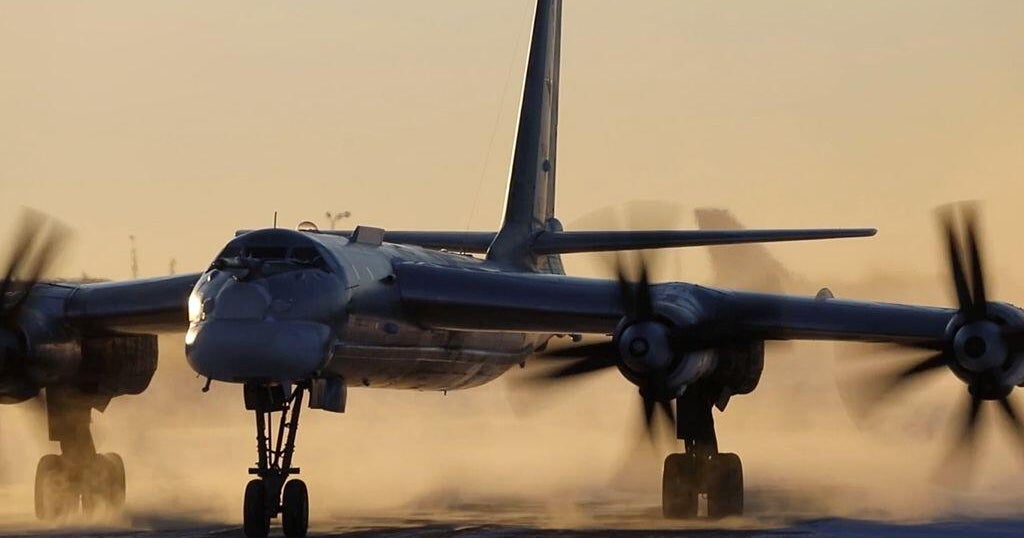
U.S. Fighter Jets Intercept Russian Warplanes Off Alaska
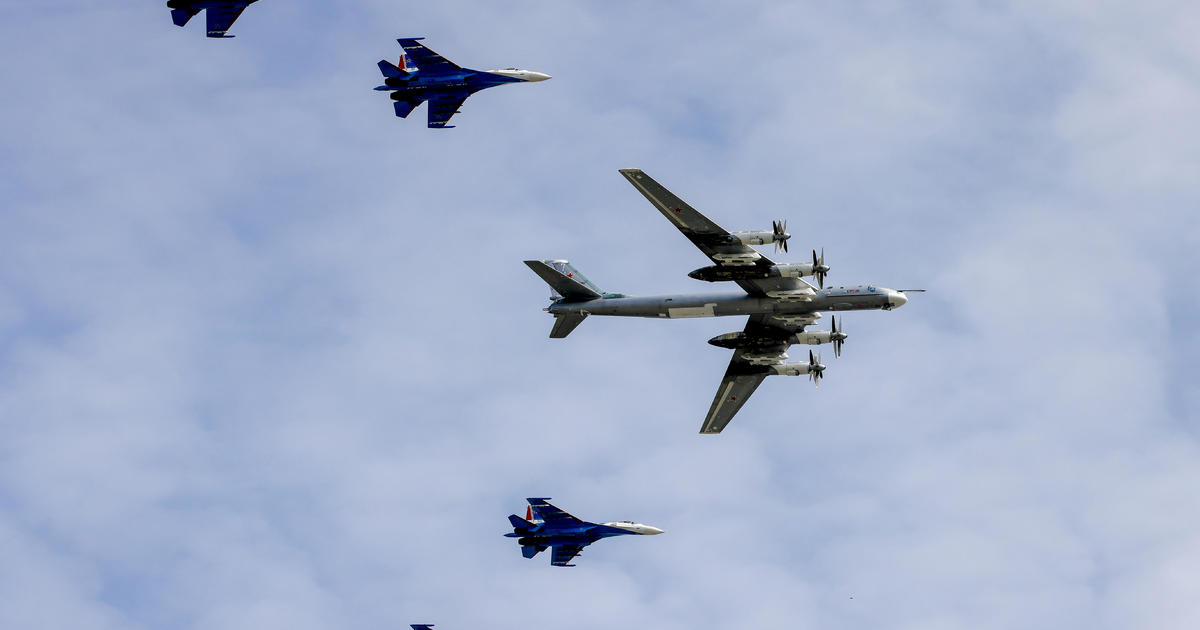
U.S. fighter jets sprang into action Thursday, intercepting Russian military aircraft near Alaska's western coast by the Bering Strait. NORAD detected two Tu-95 bombers, two Su-35 fighters, and an A-50 spy plane in the Alaskan Air Defense Identification Zone, a critical buffer of international airspace beyond U.S. and Canadian borders.[1][2]
Swift Response and Routine Operations
In a coordinated effort, NORAD launched two F-16s, two F-35s, one E-3, and four KC-135 tankers to positively identify and escort the Russian planes until they exited the zone. Importantly, the aircraft stayed in international airspace, posing no direct threat, as NORAD emphasized this as a regular occurrence monitored through layered defenses including satellites and radars.[3][4]
Context of Ongoing Vigilance
Such encounters echo recent events, like September 2025 interceptions and joint Russian-Chinese flights in 2024, underscoring NORAD's unwavering readiness since 1957 to safeguard North American skies amid geopolitical tensions.[1][2]
About the Organizations Mentioned
NORAD
The **North American Aerospace Defense Command (NORAD)** is a unique, binational military organization established in 1958 by the United States and Canada to provide aerospace warning, aerospace control, and maritime warning for North America. Its core mission is to defend the continent’s airspace and coastal waters against potential threats such as aircraft, ballistic and cruise missiles, and space vehicles, ensuring sovereignty and early attack detection[1][2][3]. NORAD's origins date back to Cold War tensions and the joint need to protect against Soviet nuclear bombers. It evolved from prior U.S.-Canada defense cooperation and formalized as the world's largest combined bi-national command. The command has adapted over time, expanding its mission beyond air defense to include maritime warning and integrated tactical warning and attack assessment, especially after 9/11 when it launched Operation NOBLE EAGLE to counter air security threats[2][4][5]. The organization operates from its main headquarters at Peterson Space Force Base in Colorado and maintains a secondary command center in the Cheyenne Mountain Complex, designed for resilience in nuclear or air-to-ground attacks. NORAD is structured into three regional areas covering Alaska, Canada, and the continental U.S., staffed by approximately 1,000 personnel from both countries. Its leadership answers directly to the U.S. President and Canadian Prime Minister, symbolizing a deep bilateral defense partnership[1][3][6]. Key achievements include modernization efforts like replacing the DEW Line with the North Warning System in the 1980s and continuously adapting to evolving aerospace threats, including missile defense and space domain awareness. Recent investments as of 2022 aim to keep NORAD at the forefront of aerospace and maritime defense technology, maintaining North America’s security in a rapidly changing threat environment[4][8]. NORAD stands as a model of international military cooperation, blending technology, intelligence, and operational excellence to protect one of the world's most critical geopolitical regions. Its seamless integration of U.