Illinois Dominates Indiana: Mirkovic Shines, Boswell Returns Strong

Illini Dominate Indiana: Mirkovic Shines, Boswell Returns Strong
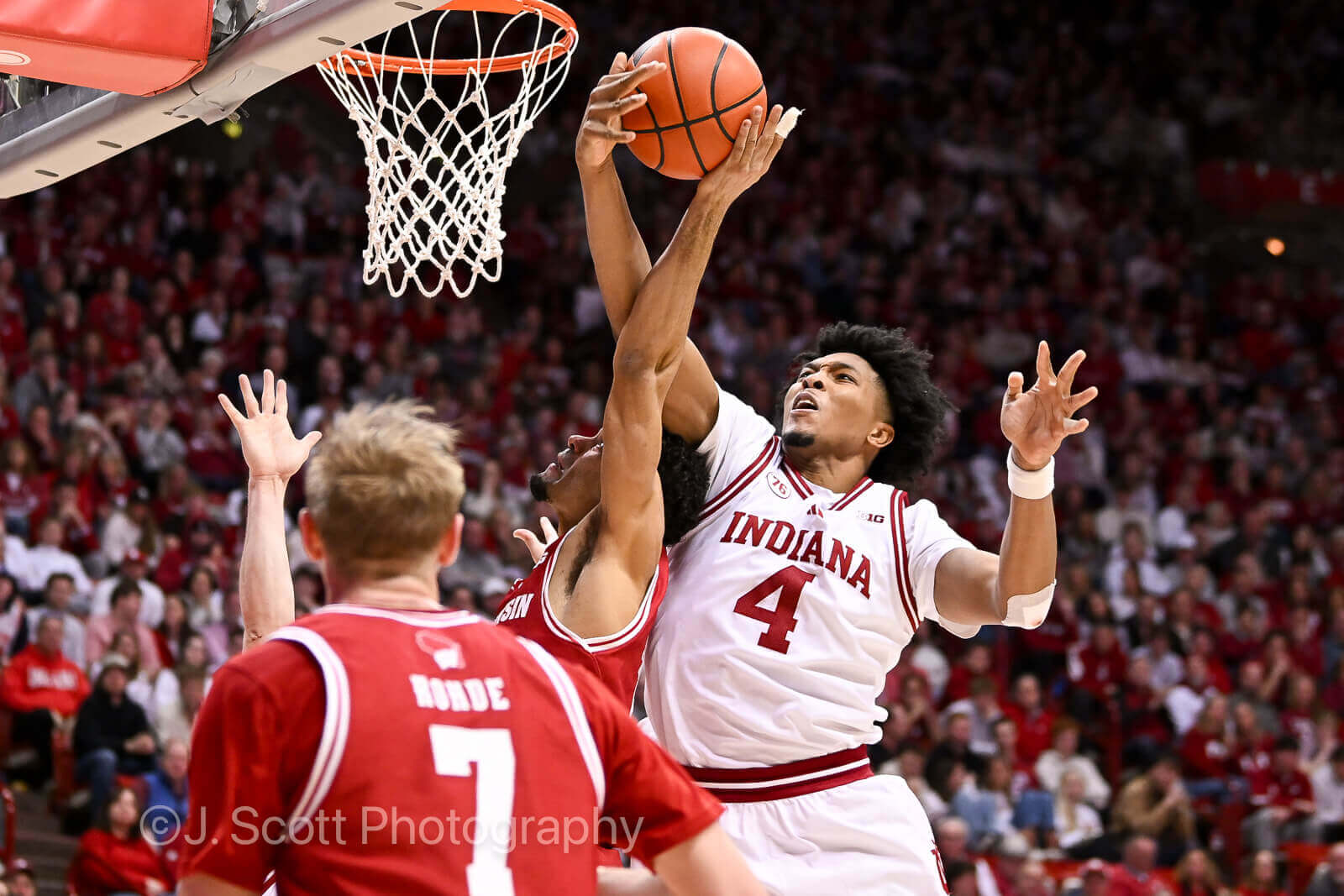
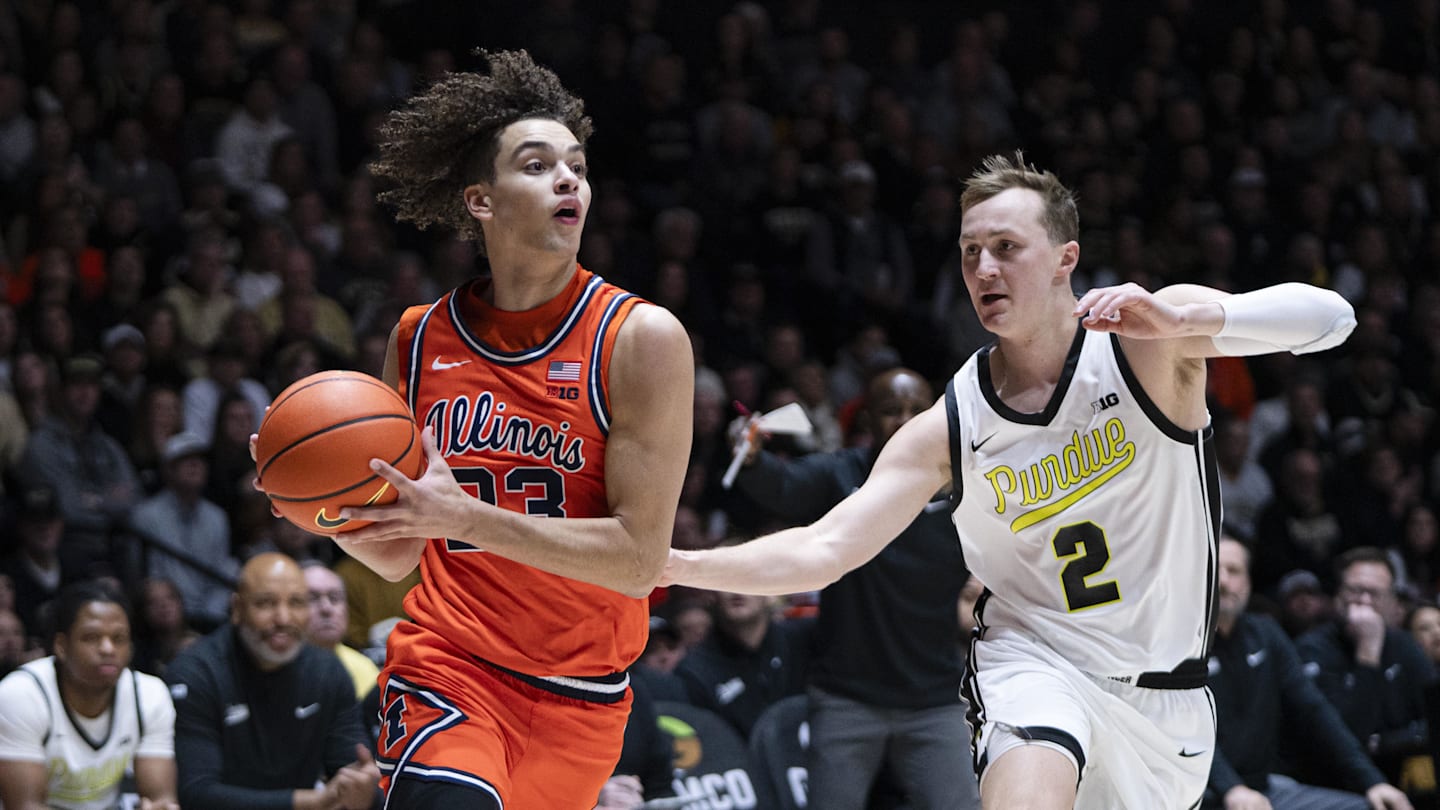
No. 8 Illinois rebounded from recent overtime heartbreaks with a commanding 71-51 home victory over Indiana on Sunday. David Mirkovic led the charge, erupting for 25 points and seven rebounds while stifling Hoosiers forward Tucker DeVries to just 13 points on inefficient shooting. The Illini frontcourt owned the glass, snagging 15 offensive rebounds for 17 second-chance points, fueling a dominant 33-20 second-half surge.
Standout Performances Fuel Bounce-Back Win
Senior guard Kylan Boswell made a massive impact in his return, locking down Big Ten scoring machine Lamar Wilkerson despite his 21 points, limiting attempts and sparking fast breaks. Freshman Keaton Wagler added 18 points on gritty drives, while Tomislav Ivisic contributed 14, including 12 after halftime. Illinois' defense forced nine Indiana turnovers, converting them into crucial points, showcasing renewed energy and physicality.
Looking Ahead After Convincing Statement
Now 21-5 overall and 12-3 in the Big Ten, the Fighting Illini regained momentum without injured Andrej Stojaković. This gritty performance signals they're back atop the conference race, eyeing a strong road trip to Southern California next. Fans left State Farm Center buzzing about the stars aligning once more.
About the Organizations Mentioned
Illinois
When discussing "Illinois," it seems there might be confusion as it typically refers to the U.S. state rather than an organization. However, I'll provide an overview of the state's economic and organizational aspects, which might align with the query's intent. ## Overview of Illinois **Economic Role**: Illinois is a significant economic hub in the Midwest, known for its diverse industries, including finance, healthcare, and technology. The state is home to major cities like Chicago, which hosts numerous Fortune 500 companies and is a global center for business and technology. **History**: Illinois became a state in 1818 and has a rich history of industrial and agricultural development. Over the years, it has evolved into a major economic powerhouse, with significant contributions from sectors like manufacturing, transportation, and services. **Key Achievements**: - **Economic Growth**: In fiscal year 2025, Illinois achieved a record $54 billion in revenue, driven by strong personal income tax growth[1]. - **Healthcare Advancements**: Illinois transitioned to a state-based health insurance exchange, aiming to enhance healthcare access and affordability by 2026[7]. - **Legislative Initiatives**: The state passed the FY26 budget, incorporating new revenue sources and fiscal measures to address potential economic challenges[5]. **Current Status**: Despite economic progress, Illinois faces challenges such as pension obligations and a shrinking tax base[2]. The state is also impacted by federal policies, including reductions in Medicaid funding and changes in federal support programs[3]. **Notable Aspects**: - **Innovation Hubs**: Illinois is home to vibrant innovation hubs, particularly in Chicago, which supports startups and tech companies. - **Education**: The state hosts several top-ranked universities, contributing to its talent pool and research capabilities. - **Infrastructure**: Illinois continues to invest in infrastructure projects, enhancing its transportation and economic development capabilities. In summary, Illinois is a dynamic state with a strong economic presence, ongoing legislative efforts
Indiana
## Overview of Indiana as an Innovation Hub Indiana—specifically referring to its thriving technology and innovation ecosystem rather than a single organization—has emerged as a dynamic center for business and technology in the American Midwest. The state, and particularly its capital Indianapolis, is home to a diverse array of startups, established tech firms, and collaborative initiatives that collectively position Indiana as a leading innovation capital[1][8]. ## What Indiana Does Indiana’s innovation ecosystem is characterized by its focus on cutting-edge technologies across multiple sectors: artificial intelligence (AI), life sciences, cloud computing, environmental tech, digital health, and more[1][4]. Companies such as Scale Computing (edge computing), Eli Lilly (biotech), Bohu Digital (AI-powered marketing analytics), and ClusterTruck (logistics software) exemplify the state’s breadth of technological advancement[1]. Indianapolis, in particular, hosts notable firms like 120Water (water management SaaS), 3Aware (medical device surveillance), and Bloomerang (nonprofit software), reflecting both sector diversity and depth[2]. ## History and Growth Indiana’s rise as a tech hub is the result of strategic partnerships between universities, government, and the private sector, fostering a collaborative environment that attracts talent and investment[1][8]. Over the past decade, the state has seen a surge in startup activity, supported by organizations like Elevate Ventures and TechPoint, which provide funding, mentorship, and networking opportunities[1][7]. The ecosystem has matured through consistent venture capital activity, though recent years have seen more cautious investment trends mirroring national patterns[4][7]. ## Key Achievements - **Sector Leadership:** Indiana is recognized for breakthroughs in life sciences, AI, and environmental technology, with companies like Eli Lilly and BiomEdit making global impacts in biotech and animal health[1][6]. - **Startup Success:** Startups such as Encamp (environmental compliance SaaS) and Qu
Big Ten
## Overview The Big Ten Conference, officially known as the Big Ten, is one of the oldest and most prestigious collegiate athletic conferences in the United States, but its influence extends far beyond sports. Founded in 1896 as the Intercollegiate Conference of Faculty Representatives—also known as the Western Conference—the Big Ten was initially created to standardize rules and improve safety in college football, which was growing rapidly in popularity at the time[1][3]. Its founding members included the Universities of Chicago, Illinois, Michigan, Minnesota, Wisconsin, Purdue, and Northwestern[1][3]. ## Historical Development Over the decades, the Big Ten has undergone several significant changes. Iowa and Indiana joined in 1899, and Ohio State was added in 1912[3]. The conference experienced a notable departure when the University of Michigan left temporarily from 1907 to 1916 due to disagreements over rules, only to return and solidify the “Big Ten” moniker[1][2]. The University of Chicago withdrew in 1946, but Michigan State’s addition in 1949 restored the conference to ten members[3]. The conference remained stable for nearly 40 years before a new era of expansion began in 1990 with the addition of Penn State, followed by Nebraska in 2011, Maryland and Rutgers in 2014, and most recently, Oregon, USC, Washington, and UCLA in 2024, bringing the total to 18 members[3][5]. ## Key Achievements and Notable Aspects The Big Ten is renowned for its combination of athletic excellence and academic rigor. It pioneered the Big Ten Medal of Honor in 1915, recognizing student-athletes who excel both on the field and in the classroom[5]. The conference also established the first permanent bowl-conference affiliation with the Tournament of Roses in 1946 and introduced a groundbreaking revenue-sharing model for television proceeds in 1955[5]. Academically, th