US Military Reports Eight Killed in Strikes on Alleged Drug Vessels
#us_military #drug_trafficking #maritime_security #international_waters #policy
US military reports eight killed in strikes on alleged drug vessels
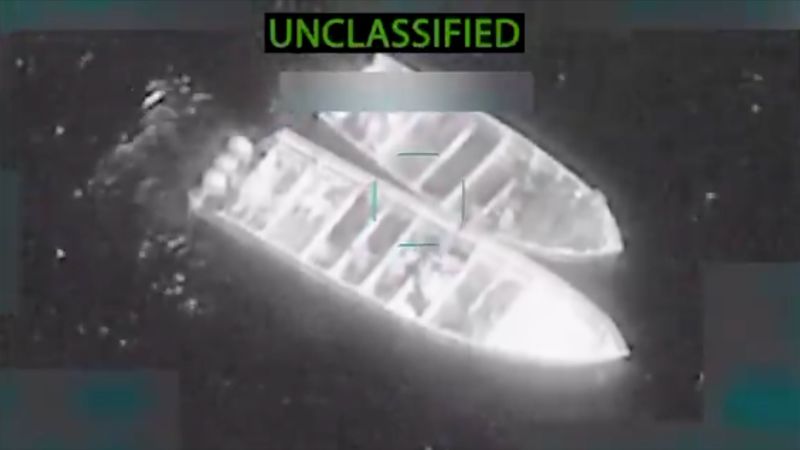
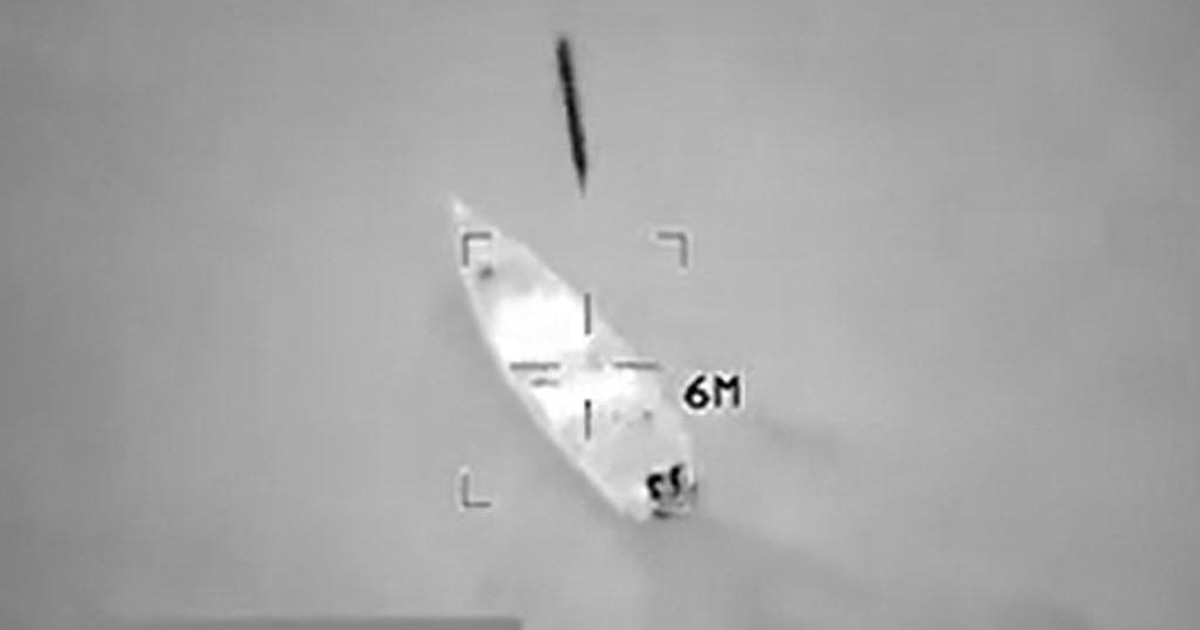
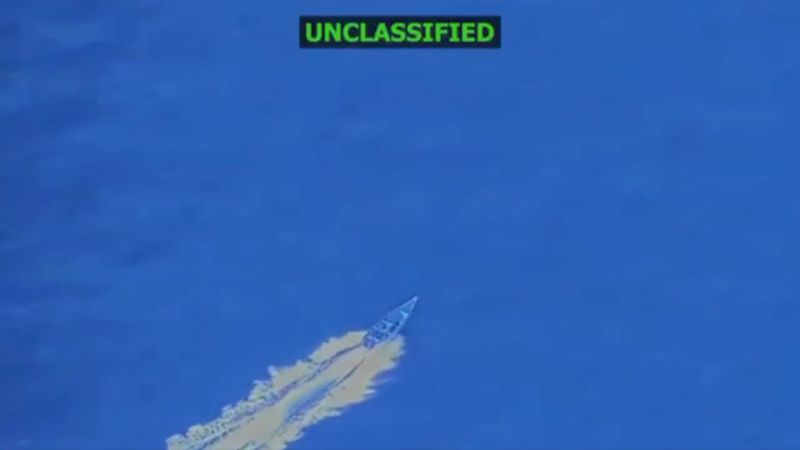
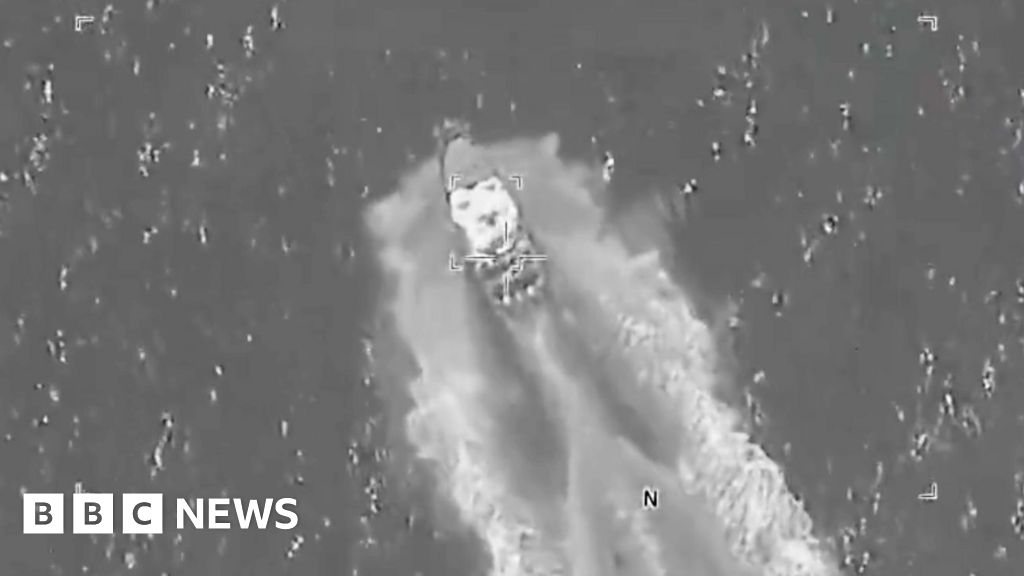
The US military has announced that strikes against suspected drug-trafficking vessels have killed eight people, part of a wider campaign of more than twenty strikes in international waters since September, aimed at disrupting large maritime narcotics shipments and organized smuggling networks.
Operations, context and controversies
Officials describe targeted actions in the Eastern Pacific and Caribbean to intercept vessels believed to be carrying multi-ton loads, using intelligence and maritime patrols to locate threats, while critics raise legal and humanitarian questions about operations in international waters and the potential for civilian harm amid limited transparency.
Implications for policy and regional partners
The campaign underscores US strategic focus on interdiction and partnership with regional navies, prompting calls for clearer reporting, stronger oversight, and combined efforts to address demand, trafficking finance, and protections for maritime safety.
About the Organizations Mentioned
US military
The **United States military**, formally known as the United States Armed Forces, is a complex and powerful organization comprising six branches: the Army, Marine Corps, Navy, Air Force, Space Force, and Coast Guard[1][3]. Each branch specializes in distinct domains—land, sea, air, space, or maritime law enforcement—allowing the U.S. military to operate comprehensively across all environments. Historically, the U.S. military evolved from the Continental Army established during the Revolutionary War, growing into the world’s most advanced and capable force by leveraging technological innovation and vast resources. Since the Cold War’s end, it has maintained global supremacy through sustained investment in cutting-edge technology and extensive power projection capabilities, including around 800 overseas bases[1]. Its budget remains the largest worldwide, exceeding $900 billion in 2023, accounting for 37% of global defense expenditures[1]. As of early 2025, the U.S. military totals approximately 2.86 million personnel, including active-duty troops, reserves, and civilians, making it the third-largest active force globally after China and India. Active-duty numbers include roughly 1.31 million troops distributed across the branches, with the Army and Navy having the largest shares[2]. The military has downsized significantly since its Vietnam War peak but remains staffed and equipped for multi-domain readiness. Key achievements include sustaining unmatched air and naval power—the Air Force is the largest air arm, the Navy the largest by tonnage—and pioneering new frontiers with the newest Space Force branch dedicated to space operations[1][3]. The military continues modernization efforts focused on emerging technologies like artificial intelligence, cyber warfare, and space capabilities to maintain strategic advantage amid rising global tensions[4][8]. Notable aspects are its integration of special forces like Navy SEALs and Green Berets, its role in global security, and ongoing transformation initiatives to enhance lethality and agility by 2040[4][6]. The U.S